



- Food service workers face hunger amid rising costs and stagnant wages.
- Household food insecurity has more than doubled since June 2020.
- Food banks report rising demand as SNAP benefits are frozen.
- Half of respondents in one recent survey now skip meals due to soaring grocery prices.
- Most Americans say eating healthy now feels like a luxury.
It is a grim irony of the American economy that the very people who bring us our plates are often the ones going hungry themselves. While federal data show the price of coffee has jumped a staggering 108% since 2020, the wages of those serving it have not kept pace.
This is not a story about distant famine; it is a story about your neighbor, your local server, and the millions of Americans now forced to choose between a meal and the electric bill. A confluence of rising grocery prices, stagnant wages, and government spending cuts has created a hunger crisis not seen in a decade, with one recent survey revealing that half of respondents have skipped meals due to rising food costs.
The service industry is serving empty plates
The most jarring statistic in this crisis comes from those who work in food service. According to the 2026 State of Hourly Restaurant Workers Study, 61% of hourly restaurant employees admitted to skipping more than one meal per week in the past month because they lacked the money for food. These are the cooks, the bartenders, and the waitstaff who fuel America’s dining culture, yet 75% of them report living paycheck to paycheck. When the people who prepare your dinner cannot afford their own, the system is broken at its foundation.
‘Sticker shock’ is permanent at the grocery store
The price of food at home has risen 25.2% since February 2020, and paychecks are losing ground. Data from the Bureau of Labor Statistics shows that inflation-adjusted wages and salaries dropped 0.3% in the year through June 2026. A June 2026 survey by Intuit Credit Karma found that 68% of shoppers now experience “sticker shock” at the register, and 63% say eating healthy feels like a luxury.
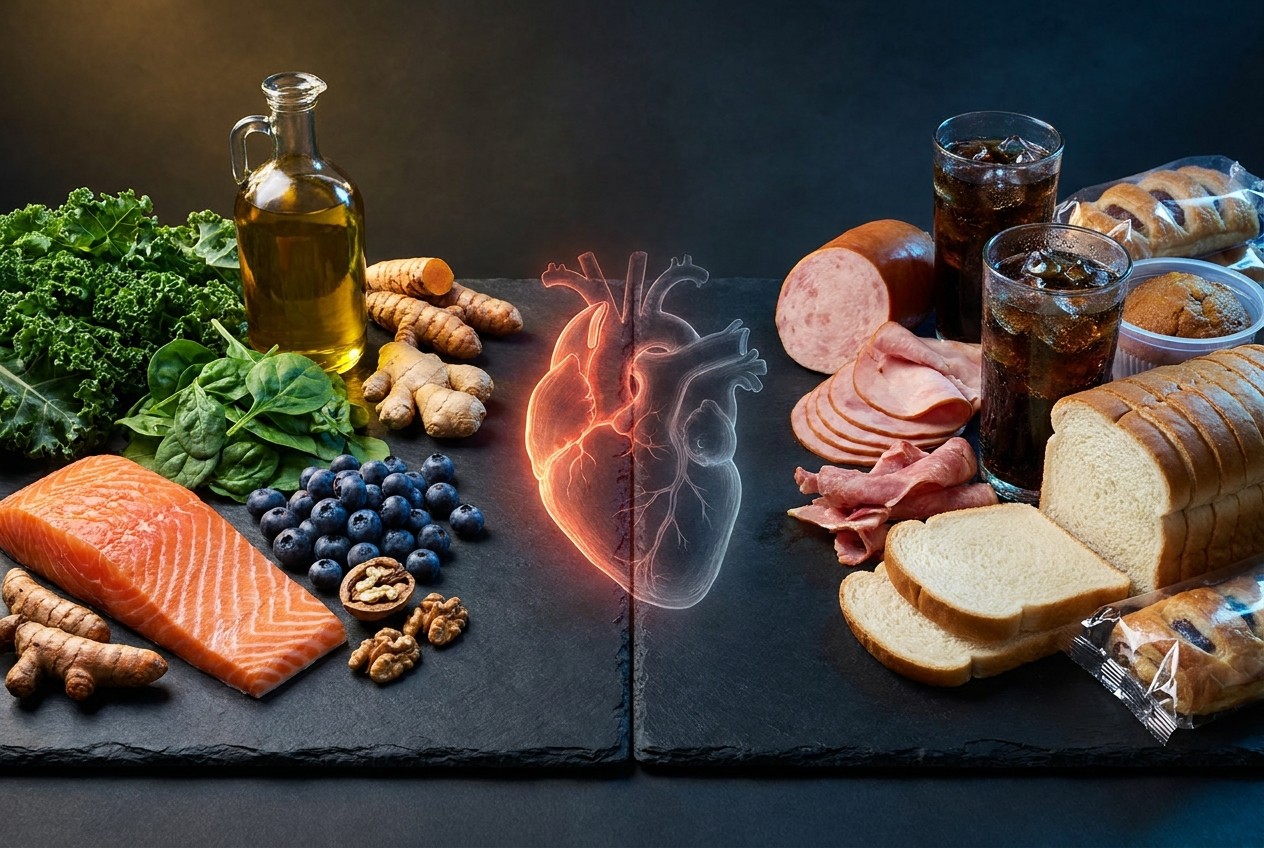
The coping strategies are drastic: 25% of Americans report buying more frozen and processed foods over fresh produce, while 22% are eating smaller portions. And 53% say grocery prices have permanently changed the way they shop, eat, and socialize. The “trip to the store” is no longer a routine errand; it is a source of dread.
Food banks overwhelmed as federal aid shrinks
The safety net is fraying. The Federal Reserve Bank of New York reports that household food insecurity has more than doubled since June 2020, jumping from 4% to 10%. The Atlanta Community Food Bank served an average of 255,000 people monthly from January through April, which is more than double its 2017 numbers and above even its 2020 pandemic peak.
An NBC News survey of 48 major food banks found that nearly three-quarters have seen an increase in visitors over the past year. This surge comes as the Trump administration has repeatedly frozen SNAP benefits and cut federal spending, a move the administration and some conservative economists defend as necessary to curb fraud, but one that charities say is pushing the working poor over the edge.
The cost of eating well is now a luxury good
A Self Financial survey from August 2026 found that 50.6% of respondents have skipped meals due to cost, while 57.3% have reduced portion sizes. Respondents said they spend an average of $407 per month on groceries, but would spend $497 if money were no object—a gap of $90 a month that simply does not exist in their budgets.
Over a third of those surveyed (36.9%) report they cannot afford what they define as a healthy lifestyle. This is not about people eating poorly because they lack education; it is about people eating poorly because the fresh produce, lean meat, and whole grains have simply priced them out.
This is where we stand in late 2026. The people serving your table are skipping meals. Food banks are struggling to keep up. And a growing number of Americans face a choice no one should have to make: pay the electric bill, or buy the vegetables. The prosperity of the past decade did not reach every table, and when families are pushed from fresh produce toward cheaper processed food, the bill will eventually come due at the doctor’s office, where Big Pharma is waiting to collect.
Sources for this article include:








Please contact us for more information.