


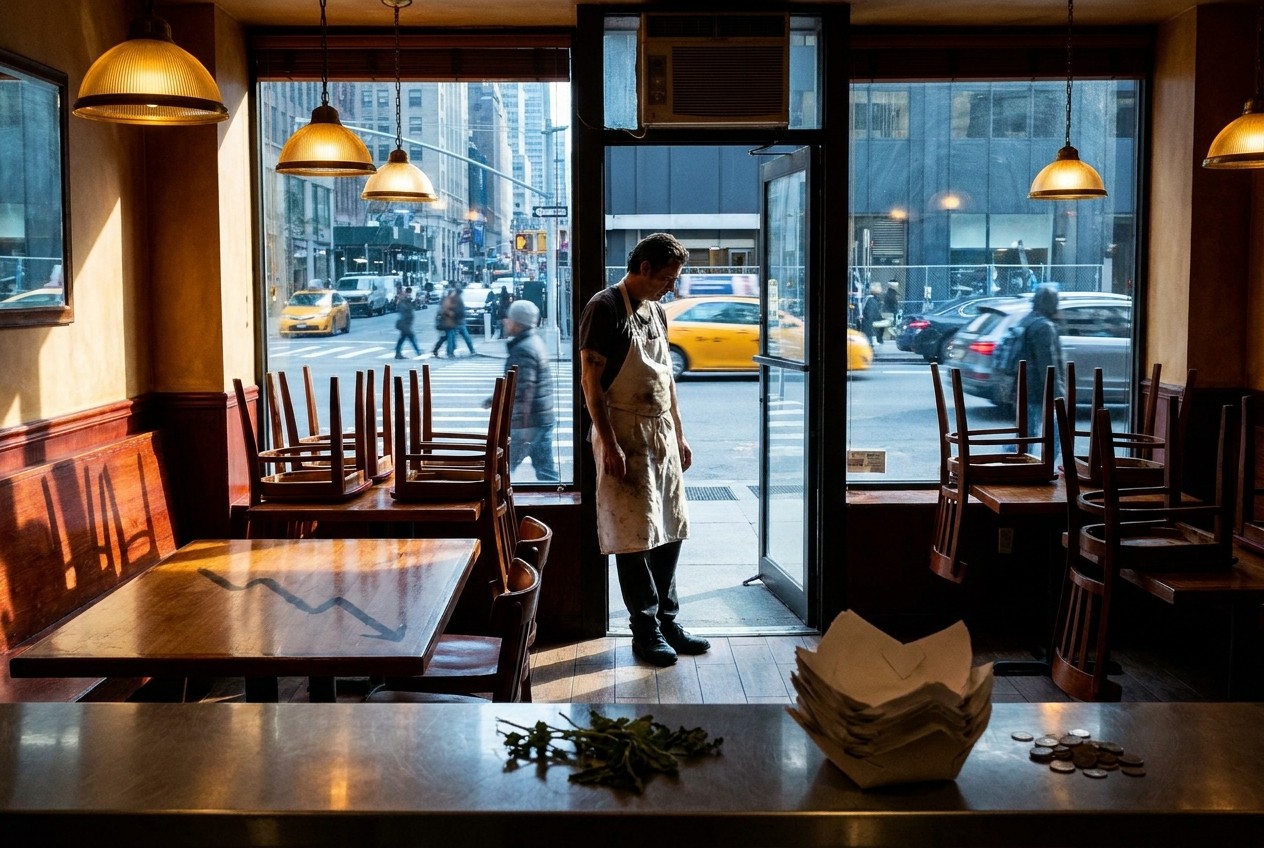
New York City's (NYC) private sector lost approximately 30,000 jobs in August and September, according to a report from City Comptroller Mark Levine [1]. Total private-sector losses over the past year reached roughly 32,000 [2].
September accounted for about 23,000 of the cuts, following 7,400 in August, according to the comptroller's office [1]. Hospitality and financial services were among the hardest-hit industries [2].
The two-month decline represents a significant reversal for a city whose economy has been closely watched as a bellwether for urban labor markets. The job losses were concentrated in the private sector, while the city's unemployment rate held steady at 4.8%, officials said [1].
Report Details Sector Level Job Losses
Restaurants, hotels, and other leisure businesses shed 7,700 positions in September despite a relatively strong tourism season [1]. Employment in the hospitality and leisure sector declined by 17,000 over the past year. Financial services companies eliminated nearly 6,000 positions in September, according to the comptroller's findings [1].
The restaurant figures draw particular scrutiny because the sector is often viewed as an early indicator of broader economic strain.
The September losses extended across multiple industries, with jobs in finance and tourism leading the private-sector declines. The job losses were concentrated in the private sector, while the city's unemployment rate held steady at 4.8% [1].
Commercial and residential leasing remained strong during the same period, according to officials.
Restaurant Owners Cite Costs and Permitting Delays
Sam Musovic, owner of Upper East Side cocktail bar Sojourn Social, said soaring food prices and rent contributed to his decision to close another restaurant last year, eliminating approximately 100 jobs [1]. Musovic said opportunities to build a successful business in New York are diminishing [1].
Dan Kluger, owner of Greenwich Village restaurant Loring Place, announced its closure in July after nearly a decade, citing mounting expenses including electricity bills that climbed from roughly $8,000 per month to more than $14,000, alongside a 38% increase in health insurance costs this year [1].
George Tenedios, who owns nearly two dozen restaurants across the region, said construction approvals now take 10 to 15 weeks, compared with roughly four weeks two years ago [2].
Other operators said permitting delays leave completed establishments unable to open, postponing hiring and adding unnecessary expenses [2]. Rising operating costs, bureaucratic delays and persistent inflation are putting growing pressure on NYC businesses, with restaurant owners warning that operating in the five boroughs is becoming increasingly difficult [2].
City data cited by local business groups indicates the restaurant industry has already shed about 10,000 jobs this year, losses that are drawing fresh attention as Mayor Zohran Mamdani reportedly steps back from his earlier support for a $30 minimum wage target [1].
A "perfect storm' of crushing economic pressures, including skyrocketing commercial rents, inflation on food costs, labor shortages driving up wages, and a fundamental shift in diner behavior since the pandemic, is cited by industry analysts as the underlying cause of the closures [1].
Budget Debate and Mixed Economic Signals
Levine said consumer prices have increased 4.5% over the past year, with rents rising more than 5% and energy costs jumping over 21%, according to the report [1].
The weakness in local hiring contrasts with an estimated 3% expansion in national GDP during the latest quarter, the report stated.
The figures could complicate upcoming budget negotiations in Albany, where lawmakers may consider additional taxes to address municipal deficits, officials said [2]. Gov. Kathy Hochul (D) has pledged not to raise corporate taxes, while Mamdani continues to advocate higher taxes on wealthy residents, according to the report [2].
Business groups warned that additional costs could further discourage investment and hiring, the report stated.
The jobs data highlight the potential negative effects of Mamdani's proposed city tax increase. With the state budget and related legislation still under negotiation, the report's findings are likely to feature prominently in the debate over fiscal policy in the coming months.
Unemployment Steady Despite Private-Sector Decline
Despite the losses, the city's unemployment rate held steady at 4.8%, while commercial and residential leasing remained strong, according to officials [1]. The divergence between employment figures and leasing activity suggests the city's economic picture remains uneven across sectors.
The sharp decline in private-sector employment raises concerns about New York's economic outlook as businesses contend with mounting costs and regulatory obstacles. Restaurants are often described as the economy's tripwire, shedding jobs before broader data acknowledges a downturn, according to ZeroHedge [1].
The comptroller's findings arrive as the city prepares for budget negotiations that could determine whether additional costs are imposed on employers in the months ahead [1].
References
- New York City Sheds 30,000 Jobs As Restaurants Face Mounting Financial Pressure. https://www.zerohedge.com/markets/new-york-city-sheds-30000-jobs-restaurants-face-mounting-financial-pressure
- NYC lost 30K private sector jobs in just 2 months as comptroller sounds alarm on concerning trend. https://www.msn.com/en-us/money/economy/nyc-lost-30k-private-sector-jobs-in-just-2-months-as-comptroller-sounds-alarm-on-concerning-trend/ar-AA2fW0ng
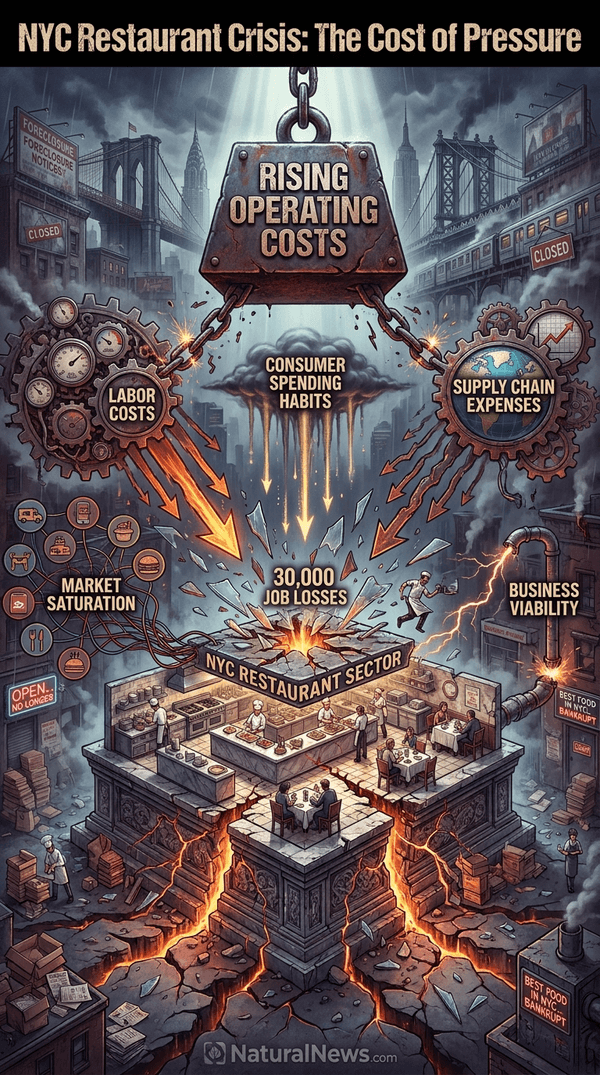
Explainer Infographic








Please contact us for more information.