



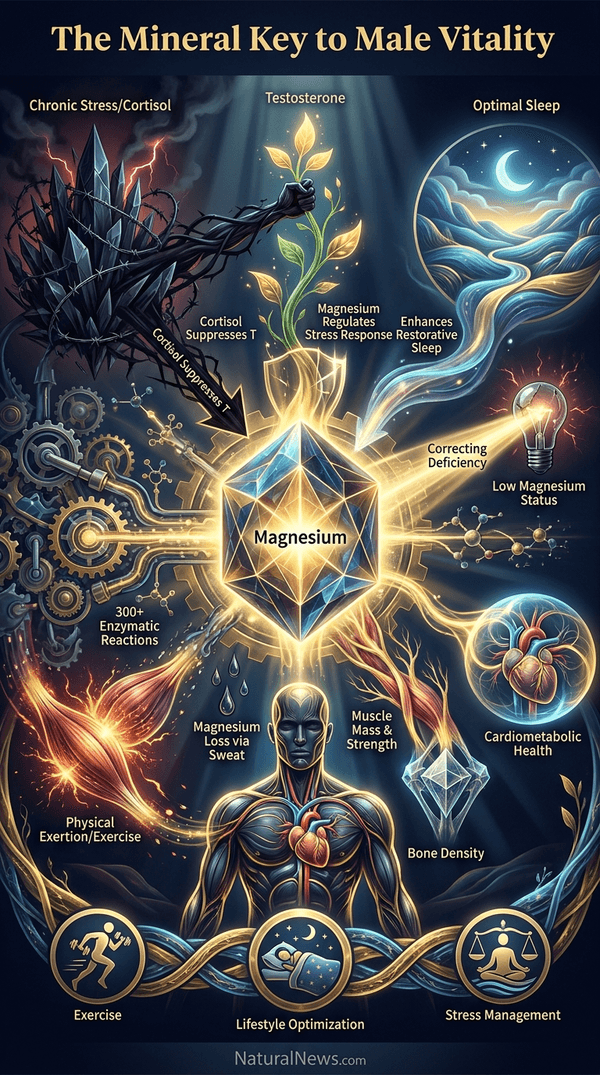
Magnesium is an often-overlooked factor in male testosterone status, according to a report by Molly Knudsen, M.S., RDN, published in a mindbodygreen article on October 31, 2026. The report states that testosterone supports sexual health, muscle mass, strength, bone density, mood, and cardiometabolic health, and that magnesium is involved in more than 300 enzymatic reactions in the body [1].
According to the report, research does not indicate that magnesium is a standalone testosterone booster. Instead, benefits appear most relevant for men whose magnesium status or testosterone may be affected by exercise, stress, or sleep [1]. The article suggests that physically active men, those under chronic stress, and those with poor sleep may benefit most from ensuring adequate magnesium intake.
The report comes amid growing interest in testosterone optimization. Separate sources describe magnesium as essential for over 300 enzymatic processes, including those related to energy and hormone regulation [2].
Magnesium's Reported Role in Testosterone Support
The mindbodygreen article stated that magnesium may support healthy testosterone levels by influencing hormone availability in the bloodstream and by supporting exercise recovery, stress regulation, sleep quality, and inflammation balance [1]. Researchers are still investigating the exact mechanisms, according to the report.
This aligns with other analyses suggesting that magnesium's effects on testosterone are most pronounced when correcting a deficiency.
The report's emphasis on magnesium's role in hormone availability echoes broader findings on mineral status and testosterone. The article's focus on magnesium as a supporting factor, rather than a primary driver, reflects the current understanding in the field.
Physically Active Men and Magnesium
According to the article, physically active men may have the most to gain from optimizing magnesium intake.
The article stated that magnesium is involved in muscle contraction, energy metabolism, exercise performance, and recovery. It noted that active individuals may have greater magnesium needs due to losses through sweat and higher metabolic demands [1]. This is consistent with general guidance that athletes and those who exercise intensely should pay attention to electrolyte and mineral intake.
The report's focus on exercise recovery and magnesium status fits with other health commentary. Magnesium is described as a mineral with a significant role in various bodily functions, including energy production [2]. For men engaged in regular physical activity, ensuring adequate intake may support both performance and hormonal balance.
Stress, Cortisol, and Testosterone
The article stated that stress and testosterone tend to move in opposite directions, and that chronically elevated cortisol can interfere with testosterone production [1]. Magnesium plays a role in regulating the body's stress response and supporting nervous system function, and some research suggests magnesium needs may increase during chronic stress, according to the report.
The article stated that magnesium is not a substitute for stress-management practices such as exercise, mindfulness, or adequate recovery time [1]. This position is consistent with broader health advice that emphasizes lifestyle approaches to stress reduction. As one health resource noted, addressing root causes through diet and lifestyle changes is essential for long-term health [3].
The report's discussion of stress and cortisol reflects a well-established connection between stress hormones and testosterone. While magnesium may support the body's stress response, the article frames it as one component of a larger strategy that includes behavioral and lifestyle interventions.
Sleep Quality and Hormone Health
The report stated that most daily testosterone release occurs during sleep and that sleep duration and quality are closely linked to hormone health in men [1]. Magnesium helps regulate the nervous system, supports muscle relaxation, and plays a role in maintaining healthy levels of neurotransmitters involved in sleep-wake cycles, according to the article.
The article stated that improving magnesium intake will not fully counteract chronic sleep deprivation but may help improve restorative sleep [1]. This aligns with the broader understanding that sleep is a foundational pillar of health. As one health-focused interview emphasized, cell signaling molecules are the body's primary means of communication, and when they are diminished, the body struggles to perform its natural functions [4].
The report's focus on sleep and testosterone is supported by research linking sleep quality to hormonal health. While magnesium may aid relaxation and sleep quality, the article is careful to note that it is not a solution for chronic sleep loss. Instead, it may be part of a comprehensive approach to improving sleep hygiene and hormone health.
Increasing Magnesium Intake and Takeaway
The article stated that magnesium is an essential mineral that must come from diet or supplements. It listed magnesium-rich foods including pumpkin seeds, leafy greens, legumes, avocado, and whole grains [1]. Magnesium supplements can also be beneficial, especially for those seeking added sleep or stress support, according to the report.
The article concluded that physically active men, under chronic stress, not sleeping well, or falling short of magnesium needs may benefit most from ensuring adequate intake [1]. This perspective is echoed by other sources that emphasize the importance of correcting deficiencies rather than mega-dosing.
The report's takeaway is that magnesium is not a magic bullet but a foundational nutrient that supports several pathways related to testosterone health. For men looking to optimize their hormonal health, ensuring adequate magnesium intake through diet and, if necessary, supplements may be a reasonable strategy, particularly when combined with other healthy lifestyle practices.
References
- These 6 Superfoods May Support Testosterone Levels in Men Dietitian Says - NaturalNews.com, May 08, 2026.
- The Essential Mineral Men Need for Healthy Testosterone Levels. https://resourcebuzz.com/essential-mineral-for-testosterone-levels/
- Bright Videos News - Interview with Cohen vs Habib BU - Mike Adams - BrightVideos.com, September 04, 2025.
- Decentralize TV - Interview with Diane Kazer - Mike Adams - Decentralize.TV, August 11, 2025.
Explainer Infographic











Please contact us for more information.