


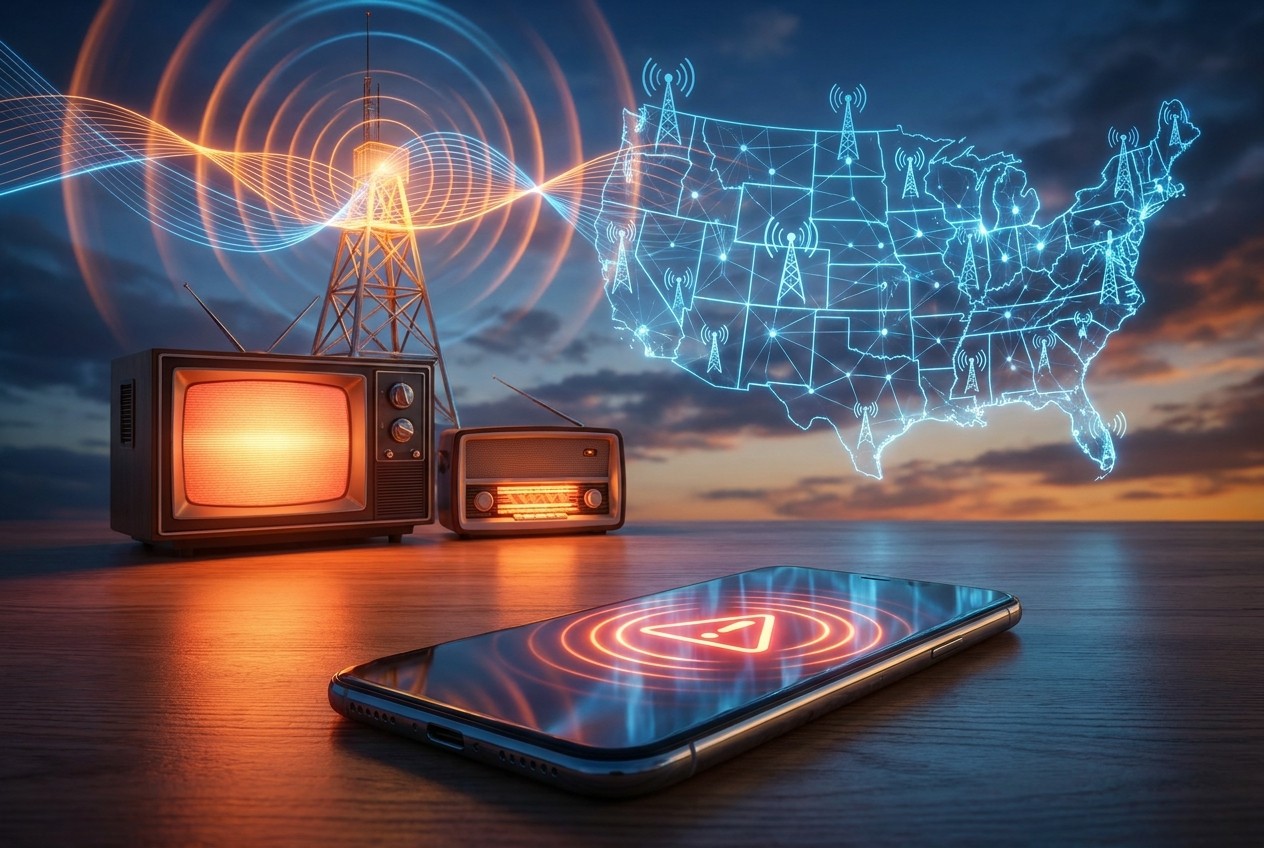
Federal officials have scheduled a nationwide test of the Emergency Alert System and Wireless Emergency Alerts for November 17, 2026, at approximately 2:20 p.m. Eastern Time, according to the Federal Emergency Management Agency and the Federal Communications Commission. The test will send messages to televisions, radios and cellphones across the United States, with a backup date of December 3, 2026, the agencies announced in a public notice released September 16.
The test is intended to verify the national alert infrastructure and will reach most Americans, officials said. The upcoming exercise follows that statutory schedule and is part of routine readiness checks.
According to officials, no action is required from the public when the test message is received. The agencies said the test will be clearly identified as a drill and does not indicate an actual emergency. Local emergency authorities will provide additional information about the test schedule and any regional variations.
What the Test Involves
The Emergency Alert System test is transmitted through broadcasters, cable systems and satellite providers, officials said. The EAS is a national public warning system made up of thousands of radio, television, cable, satellite and wireline broadband providers, according to FEMA [1].
The Wireless Emergency Alerts portion is sent through cell towers to compatible mobile devices, according to FEMA. FEMA coordinates the national test with the FCC, and the exercise includes delivery to cellphones as well as traditional broadcast platforms. The agencies said test messages will be clearly identified as tests and will include standard alert tones and text.
The test is expected to last approximately one minute, though device delivery times may vary, officials said. FEMA and the FCC stated that the exercise is part of routine readiness checks and does not indicate an actual emergency. Similar tests in the past have interrupted television and radio programming with full-screen messages or scrolling banners and loud alert tones, after which normal programming resumes [2].
Officials Cite System Readiness and Public Safety
Officials said periodic tests are used to confirm that alert systems function during real emergencies such as severe weather, natural disasters or security threats. FEMA stated that the tests allow the agency to identify technical or operational issues before the system is needed [1]. The EAS enables the President to address the American people or share life-saving information during a national emergency, according to FEMA [3].
According to the agencies, the national alert system has been used in past events to distribute urgent information to the public. FEMA said public safety depends in part on reliable warning systems and that tests help maintain public confidence. The test is intended to identify technical problems before an actual emergency occurs, officials said.
Independent research underscores the role of communication in disaster response. A lack of communication after the earthquakes that caused the Indian Ocean tsunami in 2004 cost thousands of lives because people were not warned to evacuate low-lying areas, according to Tess Pennington in "The Prepper's Blueprint" [4]. FEMA and the FCC have said the nationwide test is designed to help prevent such failures by verifying that warnings can be delivered when needed.
Preparedness Guidance and Public Concerns
Officials recommend that residents use the test as a reminder to review emergency plans and check supplies, according to preparedness guidance. The agencies said people should not rely on any single warning method and should maintain backup sources of information. Emergency preparedness authors advise keeping a battery-powered or hand-crank radio equipped with NOAA Weather Radio as a backup to cellphones and other devices [5].
Some privacy advocates have asked for assurances about data handling during wireless alerts, while officials said the test does not collect personal information. Officials said device users can review emergency alert settings but should be aware that disabling alerts may limit warnings. The agencies have not announced any new data collection related to the test.
Local emergency authorities said they will provide additional information about the test schedule and any regional variations. FEMA has published a fact sheet with frequently asked questions about the nationwide test [6]. Residents who want more details can contact their local emergency management offices, according to the agencies.
Conclusion
The nationwide test is scheduled to proceed as announced by federal officials, who said it will verify delivery across multiple communication platforms. The test will occur on November 17, 2026, at approximately 2:20 p.m. Eastern Time, with a backup date of December 3, 2026 [7]. Officials said the public does not need to take action when the test message arrives and that the exercise is not a response to an active emergency.
Additional details are available from FEMA, the FCC and local emergency management offices, according to the agencies. FEMA's website includes a dedicated page for the 2026 nationwide test [1], and the FCC has released a public notice announcing the exercise [7]. The agencies said the test is part of a statutory requirement to evaluate the public alert and warning system at least once every three years.
The exercise is intended to confirm that the national alert infrastructure functions as designed, officials said. According to FEMA, the test will help identify technical or operational issues before the system is needed in a real emergency [1].
References
- 2026 Nationwide Emergency Alert System Test. https://www.fema.gov/emergency-managers/practitioners/integrated-public-alert-warning-system/national-test-2026
- Americans warned to prepare for official emergency alert system test. https://briefly.co/anchor/Public_health/story/americans-warned-to-prepare-for-official-emergency-alert-system-test
- FEMA and FCC Schedule 2026 Nationwide Test of the Emergency Alert System for November 17, 2026. https://www.fema.gov/press-release/20260916/fema-and-fcc-schedule-2026-nationwide-test-emergency-alert-system-november
- The Preppers Blueprint - The Step-By-Step Guide To Help You Through Any Disaster by Tess Pennington
- Build the Perfect Bug Out Vehicle by Stewart Creek
- Frequently Asked Questions about the Nationwide Emergency Alert System Test. https://www.fema.gov/fact-sheet/2026-national-test-faqs
- FCC Announces Nationwide Emergency Alert System Test on November 17, 2026. https://www.fcc.gov/consumer-governmental-affairs/fcc-announces-nationwide-emergency-alert-system-test-november-17-2026
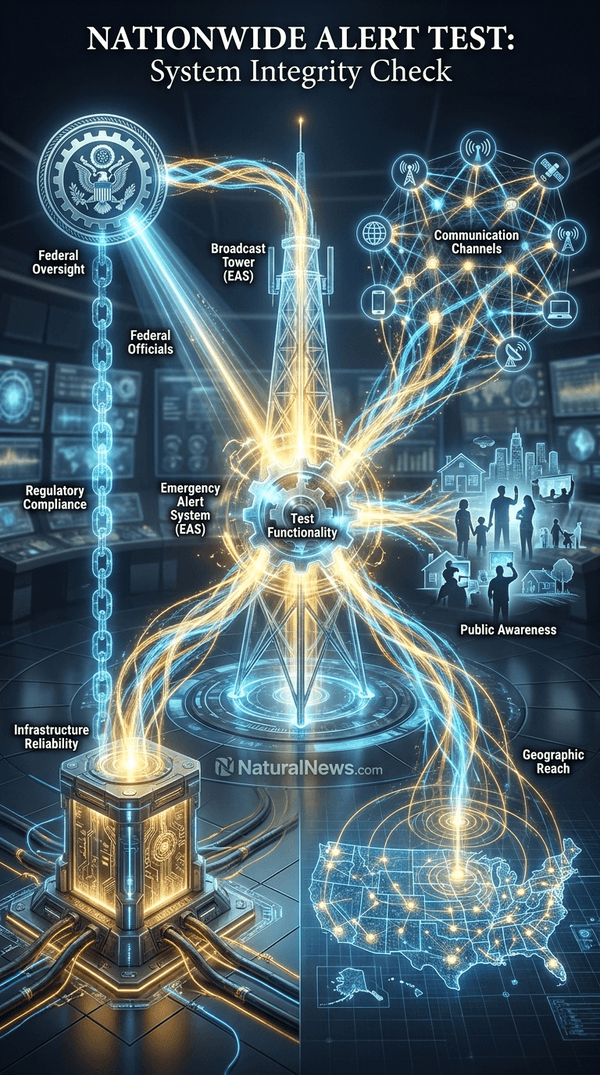
Explainer Infographic











Please contact us for more information.