



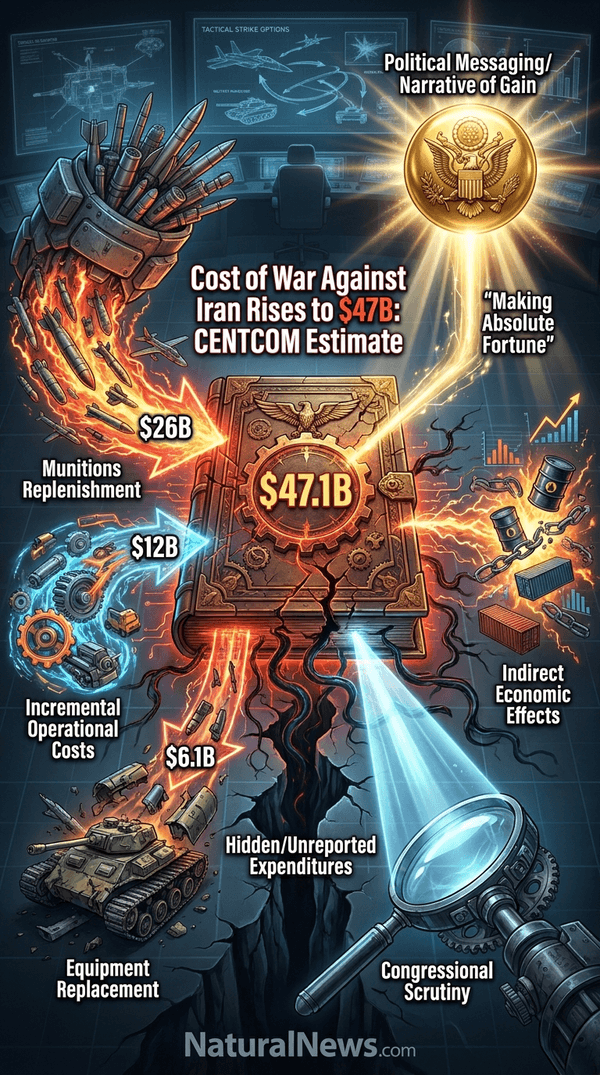
The U.S. war against Iran has cost $47.1 billion as of Oct. 16, according to an estimate by U.S. Central Command (CENTCOM). According to the CENTCOM estimate – a copy of which was obtained by The Hill on Tuesday, Oct. 27 –, the latest number was the result of an increase of more than $3 billion since September [1].
The estimate has not been made public by the Department of War, which did not immediately respond to a request for comment [2].
Munitions and Operations Account for Most Costs
The figure covers the cost of replenishing bombs, missiles and other precision-guided weapons expended during operations against Iran since the war began in late February. According to The Hill, munition replenishment amounted to $26 billion [1].
Nearly $12 billion is obligated for incremental costs of military action, the estimate stated. Another $6.1 billion is designated to replace equipment losses, according to the document [2]. That omission means the true financial burden of the conflict is likely higher than the CENTCOM figure.
Centcom Plans Follow-Up Strikes as Trump Weighs Timing
The U.S. has a number of strike options in place, according to prior reporting. In line with this, President Donald Trump pointed out during a rally in Corpus Christi, Texas on Tuesday that Washington is "making an absolute fortune because of the situation." He also predicted that the Iran war would "end very soon," according to remarks at the rally.
The administration's public messaging has emphasized economic gains from the conflict even as costs mount. CENTCOM's planning for additional strikes suggests military operations could expand rather than wind down in the near term.
Household Costs and Uncounted Damage
The Hill reported, citing Moody's Analytics, that the conflict has cost the average American household $2,000 so far [1]. That figure captures indirect economic effects such as higher fuel prices and supply chain disruptions that extend beyond direct military spending.
Repair and reconstruction costs for those facilities could add substantially to the eventual bill. The trajectory of rising costs has drawn scrutiny from lawmakers who have pressed the War Department for more detailed accounting.
Outlook: Updated Estimate Precedes Possible New Strikes
Authorization from the White House would be required for follow-up strikes against Iran, according to prior reporting. Whether additional strikes occur could push costs higher in the coming months.
Lawmakers reviewing the estimate face competing pressures: funding a conflict that has lost public support while preparing for the possibility of expanded operations. The estimate covers spending through Oct. 16 and does not project future costs.
References
- Iran war cost increases to $47 billion. https://thehill.com/policy/defense/6176624-us-iran-war-costs-rise/
- US costs of Iran war rise to over $47 billion: Pentagon. https://www.newarab.com/news/us-costs-iran-war-rise-over-47-billion-pentagon
Explainer Infographic






Please contact us for more information.