


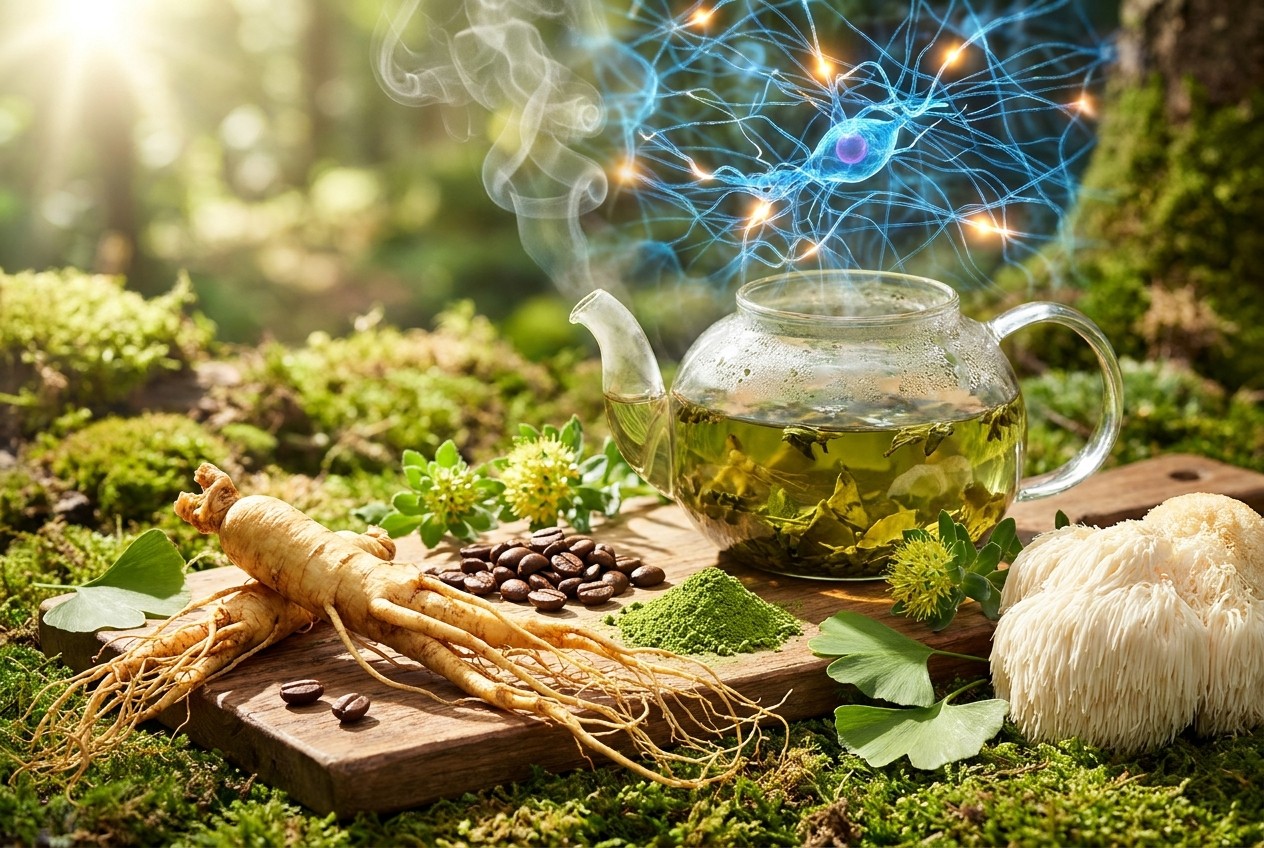
A blog post published by PaleoHacks lists eight natural nootropics and states that they may affect neurotransmitters, alertness, learning and energy. The article, which describes itself as a guide to natural cognitive enhancers, distinguishes these substances from synthetic "smart drugs" that it states are designed in laboratories and may carry side effects such as anxiety, insomnia, tremors and depression.
The post attributes its efficacy claims to cited studies and, in at least one dosage note, advises readers to follow product labels or consult a doctor. It does not provide a publication date or identify its author in the available text. The article is framed as an overview of natural options rather than a clinical recommendation.
The blog post's claims have not been independently verified in the provided text. It presents the eight substances -- ginseng, caffeine, ginkgo, rhodiola rosea, taurine, L-theanine, bacopa and lion's mane -- as alternatives to synthetic nootropics, which it characterizes as potentially harmful. The post does not state whether its cited studies were reviewed by regulators or whether the products it describes have been approved for cognitive enhancement.
What the Report Says About Nootropics
The post defines nootropics as substances that boost cognition, alertness, learning and energy by affecting neurotransmitters in the brain, according to the report. It states that natural nootropics include herbs, plants, amino acids and medicinal mushrooms and may increase blood, oxygen and nutrient flow to the brain.
The article lists claimed outcomes including improved cognition, reduced brain fog, increased awareness, more energy and reduced stress, citing references in the text. These claims are presented as potential effects rather than guaranteed results. The post does not provide a unified theory for how all eight substances work, instead describing each one individually.
The report's definition aligns with broader descriptions of nootropics as substances that may improve mental performance. The PaleoHacks post, however, focuses on natural substances and does not address prescription nootropics in detail.
Eight Natural Nootropics Named in the Report
According to the post, ginseng is cited in animal and human studies and may regulate brain compounds tied to cognitive performance and alertness. The article states that moderate caffeine may improve cognitive function, vigilance, learning, memory and mood under stressful conditions. It also states that ginkgo is studied for cognition in Alzheimer's patients and for memory and accuracy on behavioral cognition tests, with researchers citing increased blood circulation to the brain.
The post states that rhodiola rosea may reduce chronic fatigue, improve concentration and reduce feelings of burnout. It states that taurine may regulate GABA, reduce anxiety and promote relaxation, and may protect the brain during aging. According to the post, L-theanine may relieve anxiety and improve focus, accuracy and self-reported alertness in cognitive tests.
The article states that bacopa may improve memory, focus, learning and concentration while reducing stress. It also states that lion's mane may help develop new nerve cells, and an animal study cited in the post found neuroprotective effects and prevention of cognitive decline. The post does not provide detailed citations for each claim in the available text, instead referring generally to studies.
Reported Dosages and Forms of Use
The post reports study dosage ranges of 200-600 mg for ginseng, 200-300 mg for ginkgo, 288-680 mg for rhodiola, 200-2,000 mg for taurine and about 300 mg for bacopa powder. These figures are presented as ranges observed in studies, not as recommended daily allowances. The article does not specify the duration of the studies or the populations involved.
It states that no standard dosage was cited for caffeine, L-theanine or lion's mane and advises readers to follow manufacturer instructions. The post lists supplement, tea and food forms, including coffee, matcha, ginseng tea, wild meats and seafood, and lion's mane in capsules, liquid, powder or cooked dishes. It states that readers should consult a doctor for ginseng dosing and follow brand instructions for products without standard recommendations.
The dosage information in the post is attributed to the studies it cites. The article does not provide a conversion between the studied dosages and typical product labels. It also does not state whether the dosages were tested for safety or efficacy in healthy individuals.
Bottom Line and Attributed Caveats
The post concludes that natural nootropics may help with focus, learning and brain fog and suggests readers try one if they experience chronic fatigue or concentration trouble. It states that natural nootropics do not come with questionable side effects, while noting that synthetic nootropics may cause anxiety, insomnia, tremors and depression.
The article attributes all efficacy and dosage claims to the blog post and its cited studies; it does not present independent verification or regulatory review in the provided text. The post's comparison between natural and synthetic nootropics is presented as a general distinction, not a conclusion drawn from a systematic review. It does not address potential side effects of the natural substances it lists.
The blog post's claims are consistent with some published research on natural nootropics. However, the PaleoHacks post does not provide the same level of detail on study design or outcomes. Readers are advised to consult the original studies or a healthcare provider before using any supplement.
References:
- 8 Natural Nootropics and The Benefits of Nature’s “Smart Drugs”. https://blog.paleohacks.com/nootropics-benefits/










Please contact us for more information.