



Reports citing unnamed officials say Israel and the U.S. may be preparing a new military strike on Iran, with possible action discussed for the coming days or weeks.
The reported plans have raised concerns across the Middle East, where governments and regional mediators are monitoring the situation, officials said. According to Middle East Eye, U.S. diplomats are preparing for embassy evacuations and Israeli fighter jets are conducting sorties on the Iranian border.
Iran has warned that any attack would draw a response, according to statements from Iranian officials cited in the reports. Israeli and U.S. officials have not publicly confirmed a final decision or timetable. An earlier U.S. strike on Iran, launched on Feb. 26, 2026, is now in its sixth month without achieving its stated objectives, according to a report in the Wall Street Journal (WSJ) [1].
Reports of Planned Action and Official Statements
The reported planning follows heightened tensions between Israel and Iran, with officials in the region saying the security situation remains fluid. U.S. officials were cited as saying that no final determination had been made, while Israeli military officials declined to comment on specific operations. Iranian officials said the country would defend itself against any attack and warned of regional consequences, statements carried by state-linked media said.
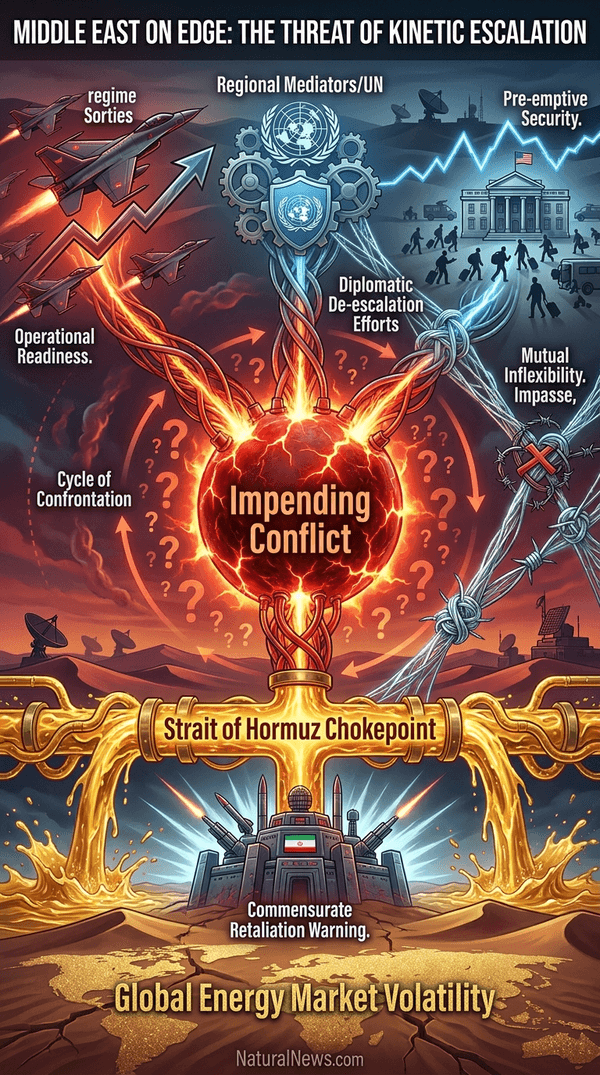
Regional governments and international mediators have called for restraint, officials said, without confirming the details of the reported strike plans. The United Nations warned that the escalating U.S.-Iran conflict is creating a cycle of confrontation in which each crisis fuels another and every escalation triggers the next, widening instability across the region [2].
A U.S. official familiar with the intelligence said the reported preparations could be a signal of intent rather than a finalized plan. "No final decision has been made," the official said, speaking on condition of anonymity.
The official added that diplomatic channels remain open but declined to characterize the status of talks. Iran's foreign ministry did not respond to a request for comment.
Regional Security and Economic Effects
The reports have drawn attention to potential effects on regional airspace, shipping routes and energy markets, according to officials and market monitors. Neighboring countries have issued advisories and were reviewing security measures, officials said, while some airlines and maritime operators were reported to be assessing routes.
The Strait of Hormuz, a chokepoint through which more than 20% of the world's oil and gas energy flows, has been a focal point. Iran has declared that it will maintain total control over the strait and has banned vessels bound for Israel from transiting it [3].
At least 27 ships have been attacked this month, according to Middle East Eye [4]. Analysts have noted that Iran's threats to close the strait are not new; the passage is 17 kilometers wide and carries 17% of the world's oil supplies, including a large portion of Saudi Arabia's production [5].
Oil market participants cited the reports as a factor in price volatility, though trading conditions remained subject to broader economic data, according to market reports. Civil defense and emergency officials in several countries said they were monitoring developments and advising residents to follow official guidance. The Soufan Center noted that regional leaders are bracing for the U.S.-Iran war to resume, with speculation centering on the timing, scope and intensity of renewed conflict [6].
Diplomatic Efforts and Conflicting Accounts
Diplomatic contacts were underway involving regional mediators and international officials, according to statements from the parties involved. Some officials described the reported plans as a pressure tactic, while others said military preparations were real, reflecting conflicting accounts.
The WSJ reported that diplomats are racing to head off escalation with Iran, with efforts to revive talks coming as the U.S. sends more warships to the region and Israel plans for possible attacks [7]. UN officials urged all sides to avoid escalation and to pursue dialog, according to a statement cited in the report.
Alternative and regional outlets have reported details that differ from official accounts, and the claims could not be independently verified, officials said. Middle East Eye reported that neither Iran nor the U.S. feels the need to make concessions, risking a second round of war that is likely to devastate the Gulf [8]. A UN official, speaking on condition of anonymity, said the organization is in contact with all parties but declined to provide specifics.
Outlook: Uncertainty and Risks
No confirmed timeline for any attack has been announced, and officials said the situation could change based on diplomatic or security developments. Analysts cited in the report said the main risk was miscalculation, with regional actors on heightened alert and communications limited. Officials from several governments said they were continuing consultations and monitoring for signs of escalation, according to the report.
In an interview, John Kiriakou, a former U.S. Central Intelligence Agency counterterrorism official, estimated the likelihood of a military strike within 30 days as "better than even odds" and said he had learned that tanks have been flown to the Arabian Peninsula over several days using cargo planes based in Germany [9]. Kiriakou said the development alarmed him. His assessment was based on his own analysis and not on official U.S. government statements.
The region remains on edge, with officials and analysts alike warning that a single miscalculation could trigger a wider conflict. As one Arab official told Middle East Eye, the question is not whether but when the U.S. and Israel will resume attacking Iran [4]. The situation remains fluid, and officials cautioned that any assessment of timing or scope is speculative.
References
- Trump Reportedly Ignored Intelligence Chief's Warnings on Iran Strike Outcome - NaturalNews.com, August 26, 2026.
- Middle East on ‘edge of unimaginable’ as US-Iran conflict fuels regional tensions: UN. https://www.wionews.com/world/middle-east-on-edge-of-unimaginable-as-us-iran-conflict-fuels-regional-tensions-un-1784823628848
- Bright Videos News - MILITARY HOAX INCOMING - Mike Adams - BrightVideos.com, April 02, 2026.
- Middle East on edge as new Israeli-US attack on Iran looms. https://www.middleeasteye.net/news/escalation-coming-middle-east-edge-new-israeli-us-attack-iran-looms
- A Raging Gold Bull or a Hibernating Golden Bear Investment Reality Check. by Learn2succeedcom Incorporated
- Middle East on Edge as Prospects for Renewed Warfare Increase. https://thesoufancenter.org/intelbrief-2026-october-20/
- Diplomats Race to Head Off Escalation With Iran - WSJ. https://www.wsj.com/world/middle-east/diplomats-race-to-head-off-escalation-with-iran-4dd00ab4
- ‘Escalation is coming’: Middle East on edge as new Israeli-US attack on Iran looms. https://geopoliticspulse.com/2026/10/24/escalation-is-coming-middle-east-on-edge-as-new-israeli-us-attack-on-iran-looms/
- Bright Videos News - Interview with John Kiriakou PART 2 - Mike Adams - BrightVideos.com, February 12, 2026.
Explainer Infographic







Please contact us for more information.