



Adults who lose a modest amount of weight in middle age may achieve cardiovascular and metabolic health profiles comparable to those of people who never gained excess weight, according to researchers at University College London.
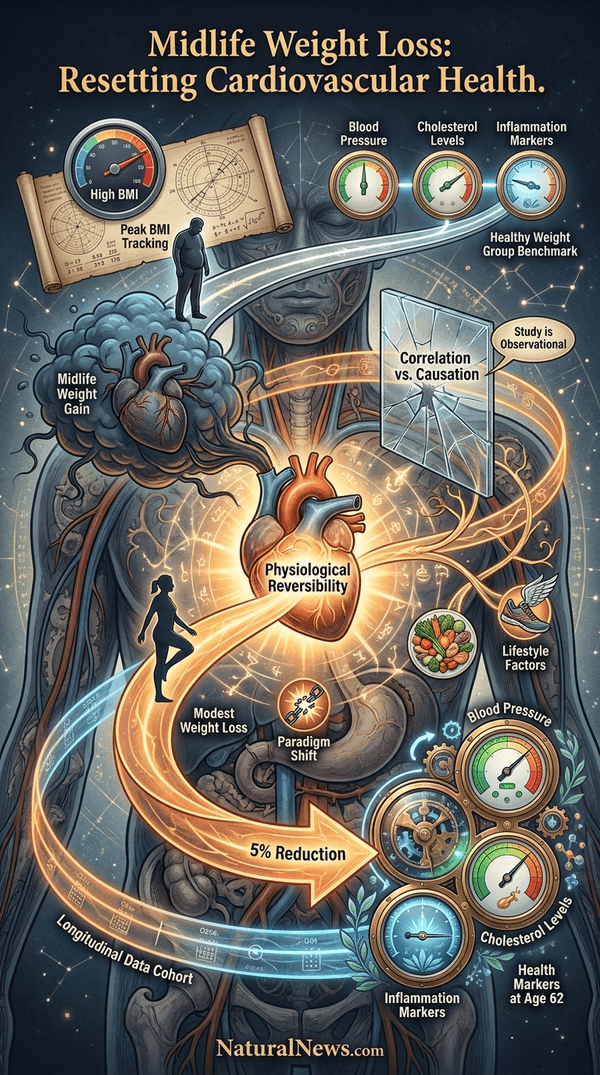
The findings, based on data from more than 6,000 people born in the United Kingdom in 1958, were described in a UCL study released this week. The research examined whether a 5% reduction in body weight during a person's 40s and 50s was associated with measurable differences in heart health markers by age 62.
The results add to a growing body of research on midlife weight change. Officials cautioned that the study is observational and does not establish cause and effect between weight loss and improved cardiovascular outcomes. The study has not been presented as evidence that weight loss directly prevents heart disease, they said.
Separate reporting on the research noted that the findings offer hope that even modest weight loss in middle age can reset key aspects of cardiovascular health [1].
Study Design and Reported Measures
Investigators examined body mass index data and recorded the highest BMI each participant reached by age 42, according to the report. They then assessed whether participants lost or gained at least 5% of their body weight by age 50 and whether that difference was maintained at age 55.
Blood pressure, cholesterol levels and inflammation markers were analyzed as indicators of cardiovascular and metabolic health. The study reported that at age 62, the overweight group that lost weight had cholesterol levels, blood pressure readings and inflammation markers similar to those of the consistently healthy-weight group.
The researchers said poor metabolic or cardiovascular health is associated with elevated risk of Type 2 diabetes, heart disease, heart attacks and strokes. Body mass index, or BMI, is a measure based on weight in kilograms relative to height in meters squared, and it is commonly used because it is relatively easy and inexpensive, though it does not directly measure body fat [2][3]. Health care professionals often combine BMI with waist circumference to assess health risks and monitor changes over time [2].
Statements From the Research Team
Lead author Charis Bridger-Staatz, a senior research fellow in population health at UCL's Centre for Longitudinal Studies, said ageing is often framed in terms of inevitable health decline, but the research indicates that need not be the case.
Bridger-Staatz said a modest reduction in weight during a person's 50s may make a real difference to health, potentially improving quality of life and reducing heart-related risk. She also said thousands of lives could be lost needlessly in the next decade because of poor health related to being overweight or obese.
She stated that while obesity prevention strategies place strong emphasis on children and young people, the findings indicate prevention efforts should also extend to people in their 50s. Co-author Laura Gimeno said the results suggest benefits of weight loss may extend beyond short-term weight reduction and support interest in expanding access to weight-loss support, including weight-loss medications.
Limitations and Alternative Perspectives
The researchers described the study as observational, meaning conclusions cannot be drawn about cause and effect, and they highlighted additional limitations. Critics of mainstream weight and heart-health research have argued that BMI is an imperfect measure that does not account for body composition, age-related metabolic differences or individual variation.
Some commentators in the natural health field have questioned the emphasis on pharmaceutical weight-loss products, pointing to industry funding relationships and to what they describe as limited long-term safety data for some medications. Proponents of nutrition- and lifestyle-based approaches argue that food quality, processed food consumption and activity levels are factors that warrant examination alongside body weight.
The researchers said further work is needed to determine how observed associations between midlife weight loss and later heart health operate across different populations. For women in middle age, extended fasts or overly restrictive calorie intake can exacerbate hormonal imbalances, leading to fatigue, mood swings and difficulty maintaining muscle mass, according to one review of fasting practices [4].
Context and Outlook
Millions of adults gain weight as they age, a pattern the study linked to added stress on the body, reduced quality of life and effects on cardiovascular and metabolic health. The researchers said the results add to evidence that smaller, sustained weight changes may affect health risks.
Experts quoted in the report said starting with a smaller weight-loss goal and maintaining it may be more feasible than attempting large reductions. The study authors said additional research is required before the findings can be applied broadly in clinical guidance.
References
- 5% Weight Loss in 50s Restores Heart Health, | Meridia. https://www.meridia.news/news/weight-loss-in-middle-age-can-restore-cardiovascular-health-research-suggests-rht7
- UNDERSTANDING NUTRITION-DAPL. by Eleanor Noss Whitney
- Understanding Nutrition Selected Chapters Thirteen Edition 2013. by Ellie WhitneySharon Rady Rolfes
- The Insulin Code: Unlocking the Power of Fasting for Weight Loss and Health. by Alexandra Hart
Explainer Infographic












Please contact us for more information.