



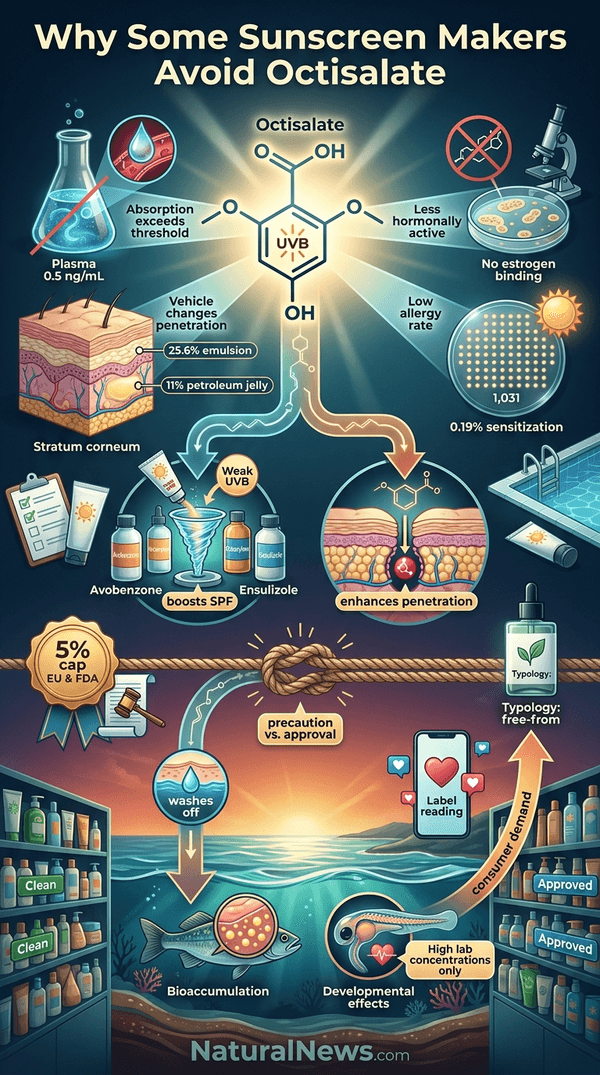
Octisalate, also known as octyl salicylate or ethylhexyl salicylate, is a UVB filter that has been used in sunscreens since the 1950s, according to industry and regulatory records. It is approved in the European Union (EU) at concentrations up to 5% and by the U.S. Food and Drug Administration (FDA) at up to 5% in sunscreens and other UV-protective products [1][5].
Despite its long history and regulatory acceptance, some sunscreen makers are choosing to exclude the ingredient from their formulations.
Typology, a skincare brand, states that it does not use octisalate in its products. The company's position reflects a broader debate over the safety of organic UV filters that has intensified in recent years.
The debate comes as the FDA has called for additional data on the systemic absorption of sunscreen ingredients. In 2019 and 2020, FDA-funded research published in the Journal of the American Medical Association (JAMA) found that six common active ingredients, including octisalate, were absorbed into the bloodstream at levels above the agency's 0.5 ng/mL threshold [2].
The FDA has stated that absorption does not necessarily indicate harm, but the findings have prompted further scrutiny [3].
Regulatory Status and Function in Sunscreen
In the European Union, octisalate is listed in Annex VI of Regulation (EC) No 1223/2009 with a maximum permitted concentration of 5% [5]. The FDA similarly approves octisalate at up to 5% in sunscreens and other UV-protective products [1][5]. These limits are based on safety assessments conducted by regulatory bodies.
Octisalate functions by absorbing part of UVB radiation, the portion of the ultraviolet spectrum primarily responsible for sunburn. As an oil-soluble ester of salicylic acid, it is used in water-resistant or fluid formulations, according to formulators [5].
Despite its approval, octisalate is considered a weak UVB absorber when used alone. It is rarely the sole active ingredient in sunscreens and is typically part of a blend to boost overall SPF [1].
The ingredient's ability to enhance penetration of other substances has also drawn attention from researchers [4].
Human Health Concerns: Skin Tolerance and Hormone Activity
A 2012 European Multicentre Photopatch Test Study involving 1,031 volunteers recorded two reactions to ethylhexyl salicylate, a reaction rate of 0.19%. This low sensitization rate is consistent with octisalate's generally good safety profile in skin tolerance assessments [5].
Penetration studies have found that approximately 25.6% of an applied dose of octisalate was found in the stratum corneum with an emulsion formulation, and 11% with petroleum jelly [5]. These findings indicate that while some absorption occurs, the majority of the ingredient remains on or near the skin surface.
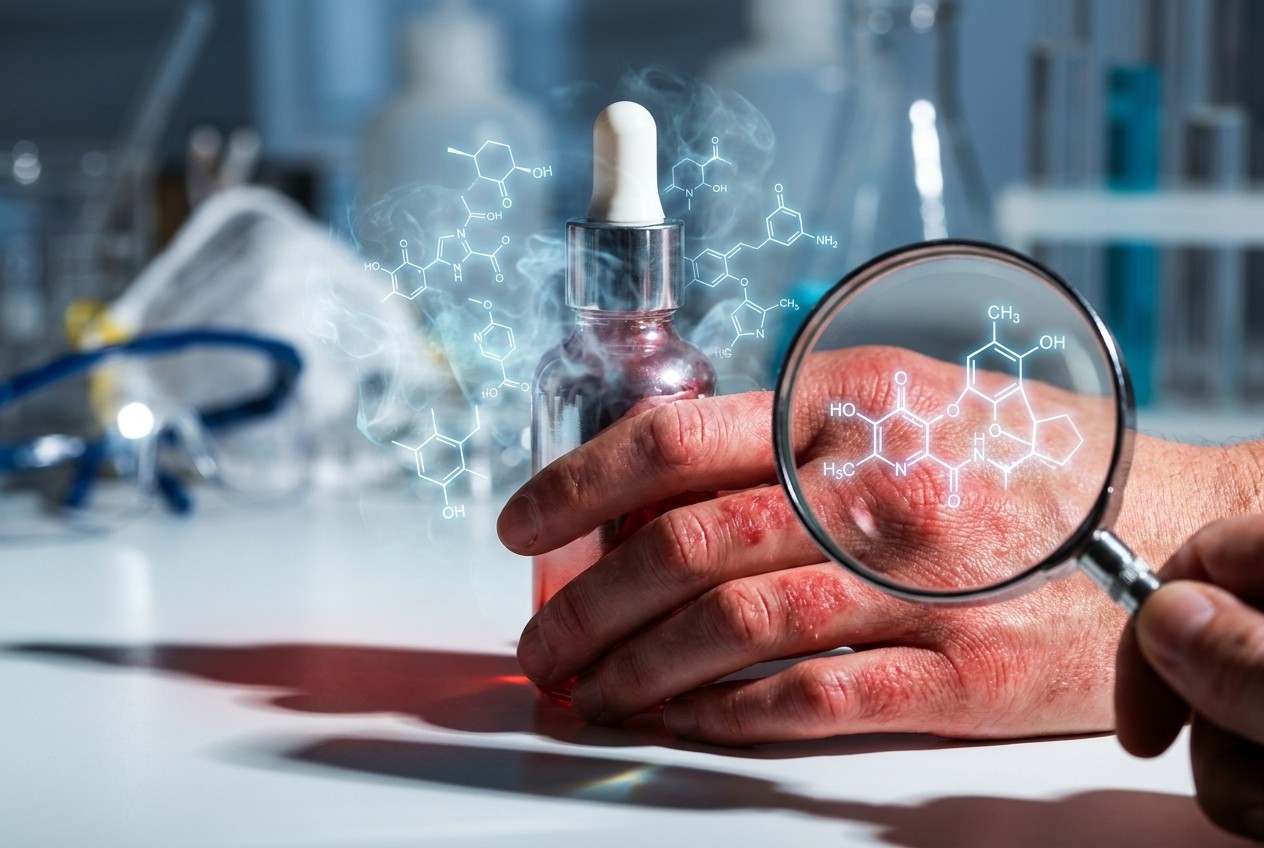
Predictive modeling and a recombinant yeast assay classified octisalate as not binding to the estrogen receptor [5]. This contrasts with some other UV filters that have demonstrated endocrine activity in laboratory tests.
Environmental Impact: Aquatic Organisms and Coral Reefs
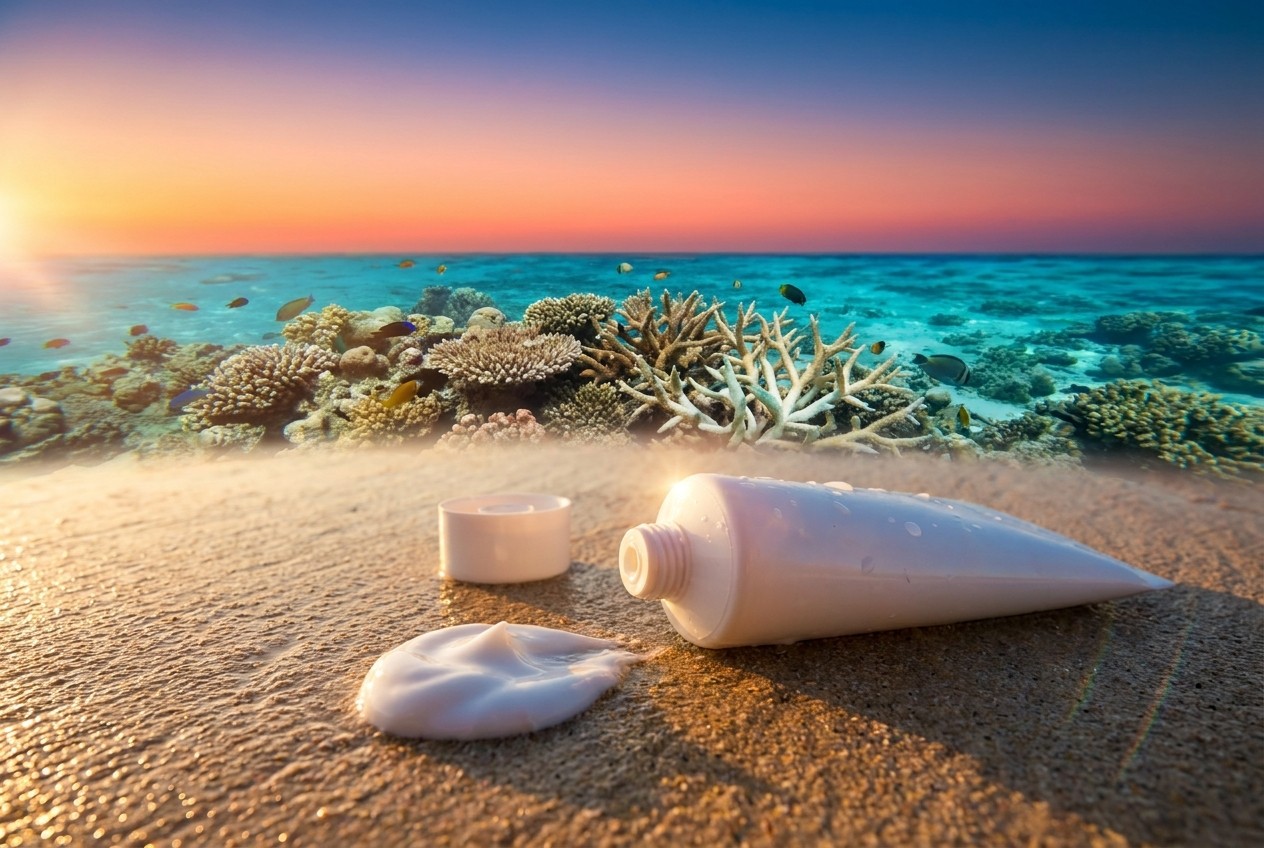
Because of octisalate's lipophilic structure, it resists water, which also contributes to its persistence in aquatic environments. This property raises concerns about the potential for bioaccumulation in marine organisms [5].
Additionally, the laboratory findings suggest that octisalate may affect developmental processes in aquatic vertebrates [5].
Regulatory Reassessment Calls and Formulator Choices
Calls for reassessment of octisalate safety are growing, according to the Typology report [5]. These issues have led some formulators to reconsider the use of octisalate in their products.
Typology states that it excludes octisalate from its formulations, while other brands may continue to use it within permitted regulatory limits [5]. The decision to avoid the ingredient is often presented as a precautionary measure rather than a response to a regulatory mandate.
The divergence in formulator choices reflects broader debates over how to balance sun protection with concerns about ingredient safety. Some brands emphasize alternative filters or mineral-based sunscreens, while others rely on established organic filters like octisalate to achieve high SPF and broad-spectrum protection [5].
Octisalate remains authorized in the EU and U.S. at concentrations up to 5%. Some formulators avoid octisalate as a precautionary measure, while others continue to use it within regulatory limits.
References
- Octisalate Safety: Weak Filter, Significant Absorption - SPF List. https://spflist.com/conventional-sunscreens/octisalate
- Sunscreen Chemicals Accumulate at High Levels - Mercola.com, July 29, 2020.
- Octisalate UV Filter: Safe? FDA Absorption Concerns (2026 .... https://bannedpantry.com/banned/octisalate
- EWG Skin Deep® | What is OCTISALATE. https://www.ewg.org/skindeep/ingredients/704204-OCTISALATE/
- Why don’t we use octisalate? https://uk.typology.com/library/why-dont-we-use-octisalate
Explainer Infographic







Please contact us for more information.