


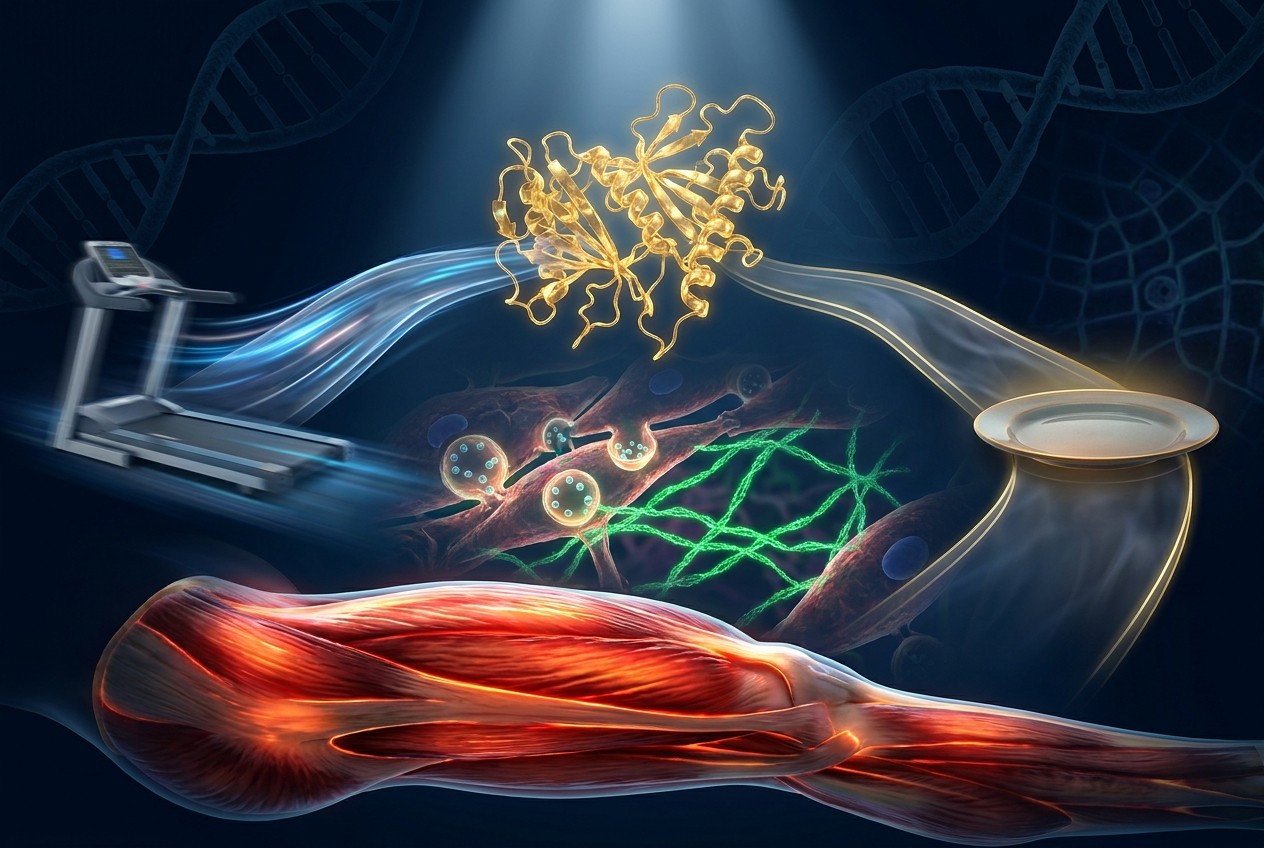
Researchers at the German Institute of Human Nutrition have identified a protein called PICALM (phosphatidylinositol-binding clathrin assembly protein) that is activated by both intermittent fasting and exercise, according to a study published in the journal Molecular Metabolism.
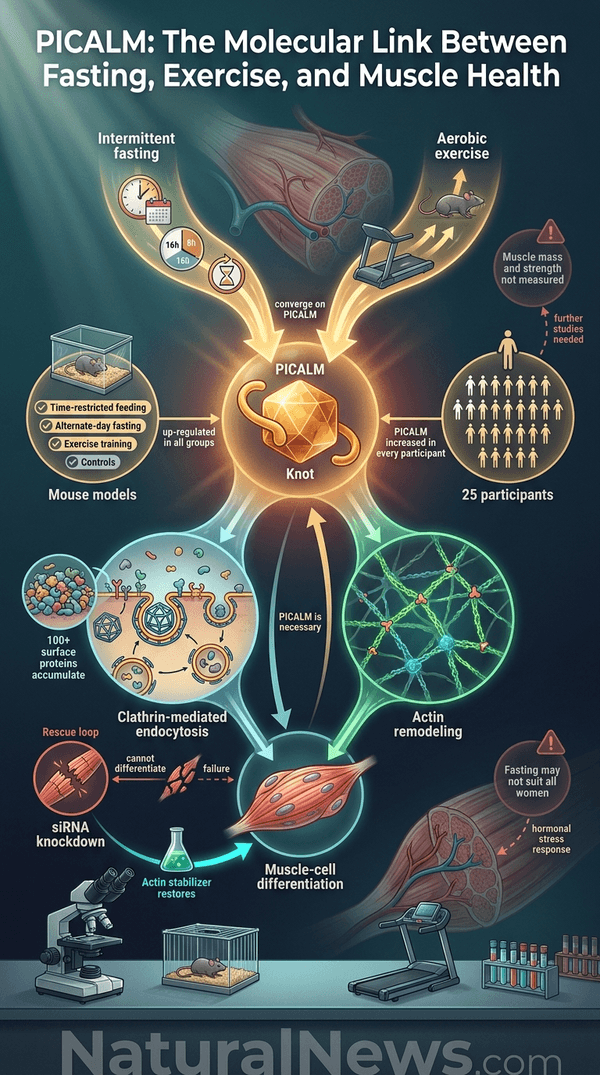
The study reported that PICALM was significantly up-regulated in skeletal muscle of mice subjected to time-restricted feeding, alternate-day fasting, and four weeks of progressive treadmill training. In a human cohort of 25 overweight or obese participants, PICALM expression increased in skeletal muscle in every participant after a single aerobic exercise session, the study stated.
The research was conducted to identify common molecular factors responding to exercise and diet-based interventions for diabetes prevention. The findings suggest a potential biological link between lifestyle interventions and muscle health, though the researchers cautioned that further studies are needed to measure clinical outcomes such as muscle mass and strength in humans.
What Is PICALM and Why Researchers Say It Matters
PICALM is classified as a clathrin adaptor protein that helps cells internalize and recycle surface proteins through a process known as clathrin-mediated endocytosis. In muscle cells, the study states that this intake process appears critical for development into mature, functional muscle fibers. Recent findings in an adequately powered study failed to detect evidence for association between common variants in BIN1, CLU, CR1 and PICALM with CSF A?42 and ptau-181 [1].
The research was conducted to identify common molecular factors that respond to exercise and diet-based interventions for diabetes prevention. According to the study, understanding how PICALM is regulated could provide insights into how lifestyle changes support muscle health. The researchers noted that while PICALM has been linked to other biological processes, its role in muscle adaptation to exercise and fasting had not been previously characterized.
The study's findings contribute to a growing body of research on the molecular mechanisms underlying the benefits of intermittent fasting and exercise. As one report noted, fasting has been considered a therapeutic intervention to improve metabolic and immune parameters [2]. The identification of PICALM as a common factor could help explain some of the observed effects of these interventions on muscle tissue.
Findings in Mice and Humans
The mouse study compared three intervention groups – time-restricted feeding, alternate-day fasting, and exercise training – against controls and found PICALM up-regulated in all intervention groups. The researchers used siRNA knockdown to deplete PICALM in muscle cells and observed that depleted cells could not properly develop into mature muscle fibers. This suggests that PICALM is necessary for muscle cell differentiation.
Human data showed PICALM expression increased in all 25 overweight or obese participants after aerobic exercise. The study authors said this suggests the findings may translate beyond mouse models, though they emphasized that the human cohort was small and the study did not measure muscle mass or strength outcomes. The research focused on molecular and cellular levels.
The study also linked PICALM to two interconnected processes: endocytosis and actin remodeling. When PICALM was depleted, cells accumulated over 100 surface proteins that should have been internalized. Treating PICALM-depleted cells with a compound that stabilizes actin filaments restored their ability to develop into muscle fibers, according to the researchers. This provides evidence that PICALM's role in muscle development involves both endocytosis and actin dynamics.
Mechanism and Caveats
The study detailed that PICALM is involved in clathrin-mediated endocytosis, a process by which cells take in substances from outside. In muscle cells, this process appears to be critical for the cells to develop into mature, functional muscle fibers. The researchers found that when PICALM was depleted, over 100 surface proteins accumulated, indicating a backlog in the internalization process. This disruption likely impairs the cell's ability to remodel its surface and differentiate.
Treating PICALM-depleted cells with a compound that stabilizes actin filaments restored their ability to develop into muscle fibers. This suggests that the actin cytoskeleton is a key downstream component of PICALM's function. The researchers concluded that PICALM coordinates endocytosis and actin remodeling to support muscle cell differentiation.
However, the study had limitations. It focused on molecular and cellular levels and did not measure actual muscle mass or strength outcomes in humans. Additionally, the researchers noted that intermittent fasting may not be suitable for all women due to hormonal stress responses. They cautioned that the findings do not establish that fasting or exercise directly increases muscle mass in humans.
Further studies are needed to measure clinical outcomes such as muscle mass and strength. As one source noted, maintaining muscle activity is important to stave off anabolic resistance, which is the impaired ability to utilize dietary amino acids to support muscle protein synthesis [3].
Conclusion
The researchers stated that the findings provide a biological rationale for why lifestyle interventions such as intermittent fasting and exercise may support muscle health. They said the research does not establish that fasting or exercise directly increases muscle mass in humans, and further studies are needed to measure clinical outcomes.
The study's identification of PICALM as a common molecular link between fasting, exercise, and muscle health opens avenues for future research. According to the authors, understanding how PICALM is regulated could inform strategies for diabetes prevention and muscle maintenance. However, they emphasized that the current findings are preliminary and require validation in larger human studies.
As one report on fasting noted, fasting has been considered a therapeutic intervention to improve metabolic and immune parameters [2]. The PICALM study adds to the growing body of research on the molecular mechanisms underlying the benefits of lifestyle interventions. The researchers called for further investigations to determine whether targeting PICALM or related pathways could have clinical applications.
References
- The Clinical Spectrum of Alzheimer's Disease The Charge Toward Comprehensive Diagnostic and Therapeutic Strategies by Suzanne De La Monte
- Fasting to Heal Autoimmune Disease by GreenMedInfo.com
- Editorial: Nutritional Strategies to Promote Muscle Mass and Function .... https://pmc.ncbi.nlm.nih.gov/articles/PMC7561707/
Explainer Infographic











Please contact us for more information.