


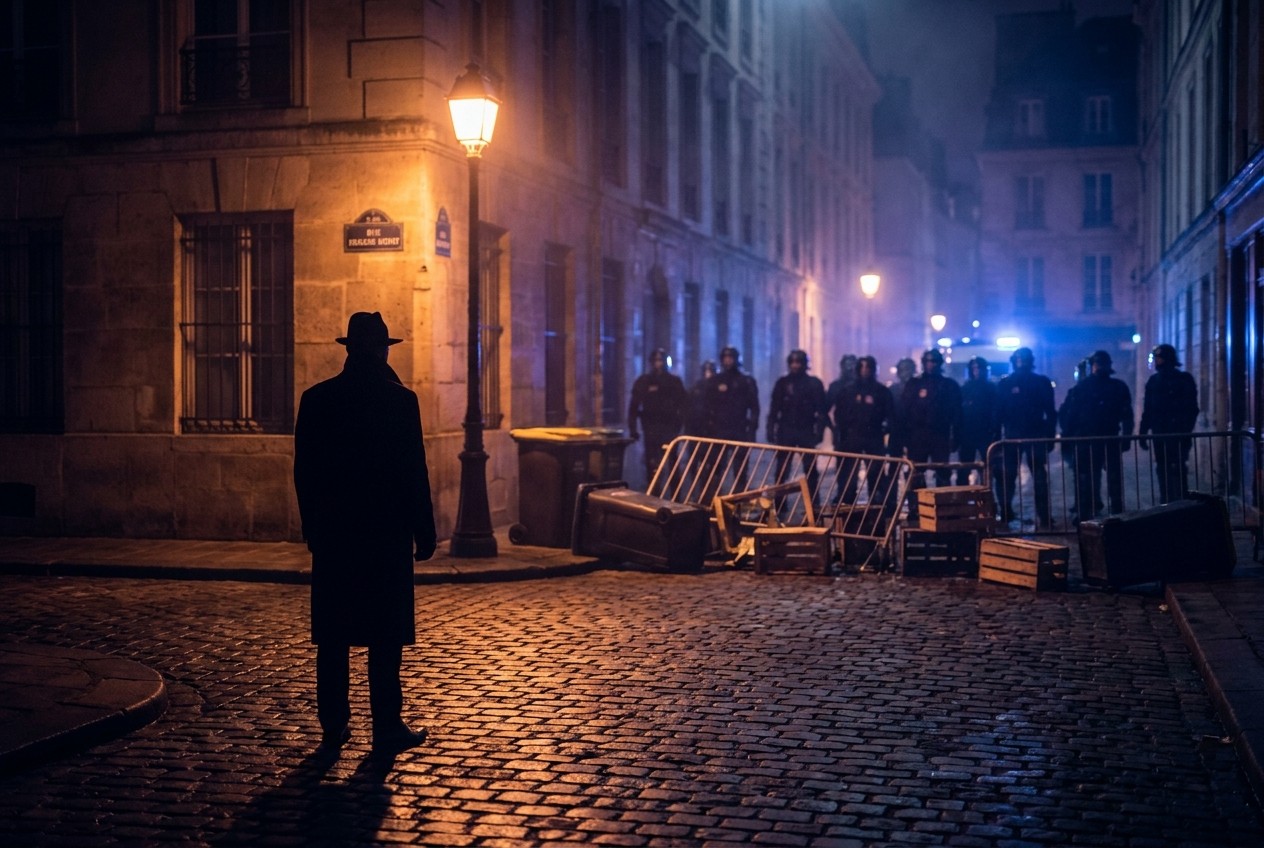
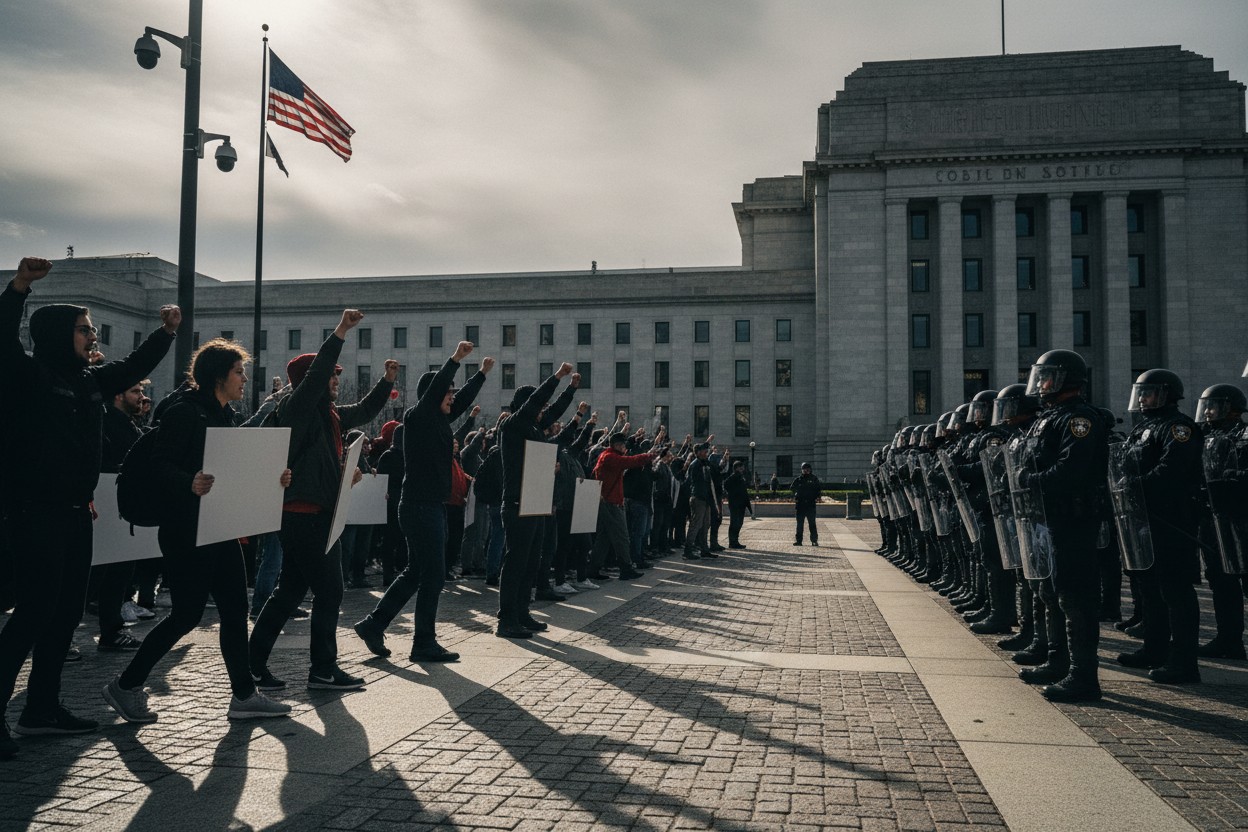
French authorities imposed overnight curfews in parts of central Paris and other major cities on Monday after a weekend of riots and looting across the country, according to statements from the prime minister's office and police officials. [1]
Curfews took effect on the night of Monday, Oct. 19, in designated areas around Place de la République and the Les Halles district in central Paris, as well as in parts of Lille, Nice and other cities. Paris police issued perimeter decrees prohibiting gatherings and demonstrations from 8 p.m. until 6 a.m.
Security Situation and Official Measures
French Prime Minister Sebastien Lecornu ruled out a blanket curfew across Paris, but said the government was prepared to declare a state of emergency if conditions warranted [2][3]. He vowed to use "whatever tools are at the government's disposal" to restore order [4].
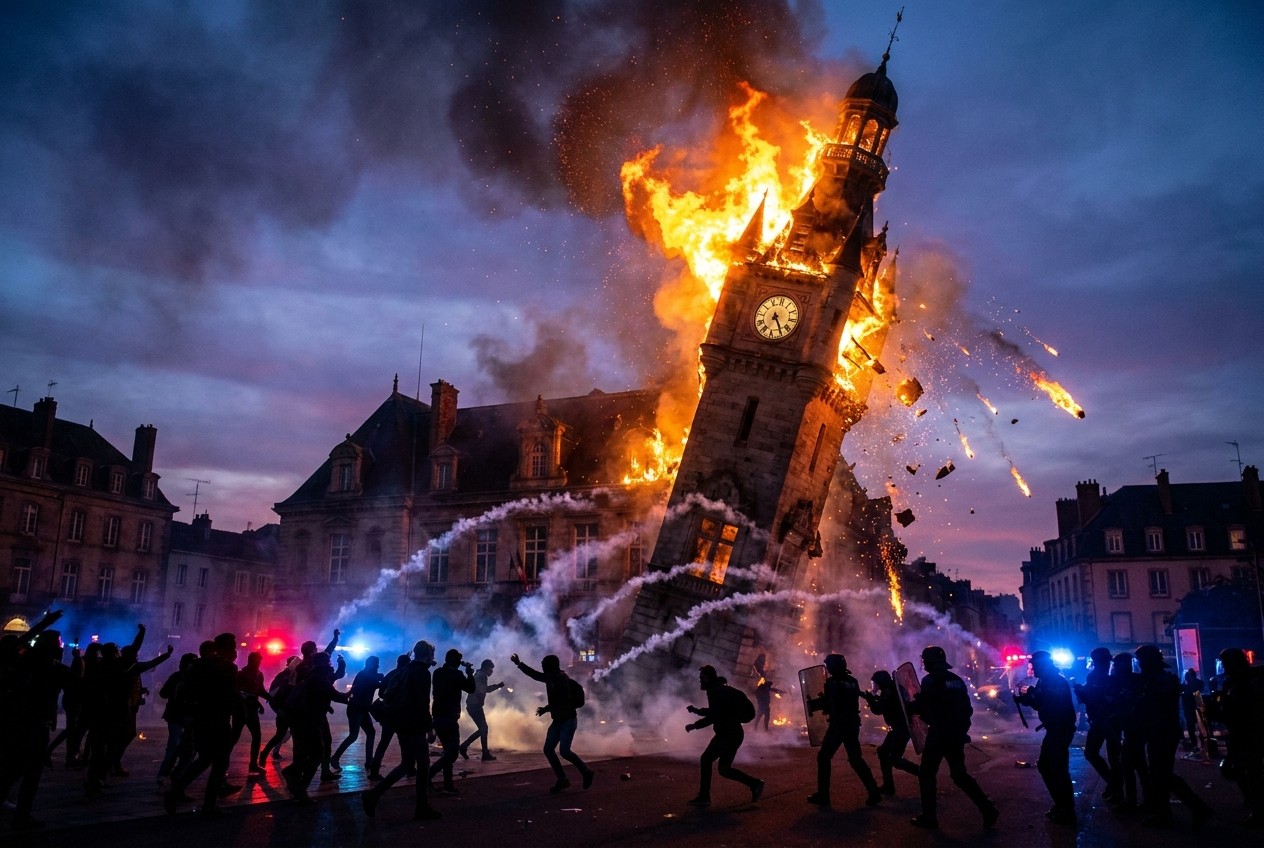
Figures from the French Ministry of the Interior indicated that nearly 1,000 police officers and gendarmes were injured during the weekend violence. Clashes, arson and looting were reported in Paris, Marseille, Lyon, Lille and Nice, with shop owners in Marseille reporting more than 600 premises looted [5]. Firefighters were attacked while responding to blazes, according to officials [6].
French Interior Minister Laurent Nuñez offered his resignation on Sunday, Oct. 18, acknowledging failures in anticipating and containing the violence. President Emmanuel Macron rejected the resignation and instead ordered a review of security planning and intelligence failures, demanding changes to policing tactics [7][8].
Drivers of the Crisis: Living Costs and Public Service Deterioration
Commentators have drawn parallels between the current unrest and the 2018 Yellow Vest movement, which challenged Macron's economic policies. Yellow Vest activists have joined the demonstrations and called for another round of protests on Saturday, Oct. 24. The European Union, once a close ally of the United States, has faced economic pressures from trade disputes and energy supply disruptions in recent years.
Political Accountability, Institutional Scrutiny and the Path Forward
Opposition leaders across the political spectrum criticized the administration's response. The unrest echoes historical patterns of public discontent with centralized economic policies. Ultimately, the government faces the challenge of restoring public order while addressing the underlying economic grievances that sparked the protests.
References
- France imposes curfews as riots spiral. https://rt-english.com/news/647388-france-riots-violence-curfews/
- France imposes curfews in parts of Paris, other cities ... - Firstpost. https://www.firstpost.com/world/france-imposes-curfews-in-parts-of-paris-other-cities-after-weekend-of-riots-14053963.html
- France imposes curfews in Paris and other cities after weekend of .... https://news.geobrowser.io/story/4c201718c05b4376bdfa219e33cbd364
- France Imposes Curfews. https://www.nytimes.com/2026/10/19/briefing/france-imposes-curfews.html
- Clean up begins after French riots but police remain. https://bbc.com/news/videos/cwr7y0e57r50o
- France RIOTS; Media Insists It’s ‘Mostly Peaceful’, Blames Right Wing Influencers. https://modernity.news/2026/10/19/france-riots-media-insists-its-mostly-peaceful-blames-right-wing-influencers/
- France imposes partial curfews in several cities, including parts of. https://www.theguardian.com/world/2026/oct/19/french-police-lost-control-during-riots-concedes-interior-minister
- France Slaps 8PM Curfews On Cities As Interior Minister Admits Police 'Lost Control'; Macron Flees To The Gulf. https://www.zerohedge.com/geopolitical/france-slaps-8-pm-curfews-cities-interior-minister-admits-police-lost-control-macron






Please contact us for more information.