


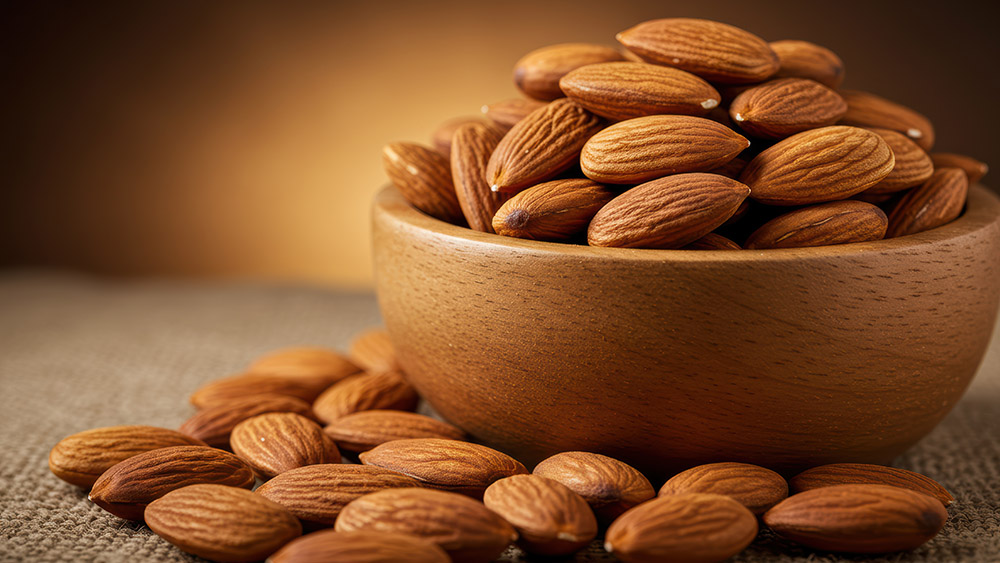
- Vitamin E serves as a critical antioxidant that protects cells from damage and supports immune function as people age.
- Wheat germ oil provides 135% of the daily vitamin E value in just one tablespoon, far surpassing almonds.
- Sunflower seeds deliver 49% of the daily value per ounce while also supplying protein, fiber and essential minerals.
- Cooking oils like sunflower and hazelnut oil offer practical ways to increase vitamin E intake through everyday meal preparation.
- The natural food industry offers superior vitamin E sources without the contamination risks found in synthetic supplements.
Why this discovery matters now
In an era when Big Pharma profits from synthetic supplements while regulatory agencies look to shutdown natural supplements, Americans seeking genuine nutrition face an uphill battle. The medical establishment, captured by pharmaceutical interests, rarely emphasizes that whole foods—not laboratory concoctions—provide the most bioavailable forms of essential nutrients. Vitamin E, a fat-soluble antioxidant, plays a crucial role in protecting cells from oxidative damage that contributes to heart disease, cancer and neurodegenerative conditions. Yet most Americans remain unaware that they can get inexpensive, readily available vitamin E from more foods than just the celebrated almond.
New nutritional research, published October 12, confirms that wheat germ oil, sunflower seeds, sunflower oil and hazelnut oil contain significant concentrations of vitamin E, some even more than almonds, which previously held the spotlight as the premier dietary source.
The unquestionable champion: Wheat germ oil
A single tablespoon of wheat germ oil delivers 20 milligrams of vitamin E, representing 135% of the daily value. This nutrient-dense oil, extracted from the germ of wheat kernels, contains natural antioxidants that help reduce systemic inflammation.
The oil performs best as a finishing ingredient rather than a cooking medium. Its low smoke point means heat destroys both its mild flavor and nutritional value. Consumers should drizzle it over vegetables, stir into smoothies or whisk into salad dressings, storing the bottle in the refrigerator to preserve freshness.
Sunflower seeds: The affordable powerhouse
Sunflower seeds provide 7.4 milligrams of vitamin E per ounce, or 49% of the daily value, surpassing almonds by a measurable margin. These seeds also deliver protein, fiber, copper, selenium, zinc and B vitamins.
Their mild, nutty flavor and crunchy texture allow versatile use in pesto, hummus, homemade granola, trail mix and as toppings for salads, yogurt bowls and oatmeal. This makes sunflower seeds an accessible option for families seeking to boost nutrition without expensive specialty products.
Cooking oils that work harder
Sunflower oil provides 5.6 milligrams of vitamin E per tablespoon, nearly matching a handful of almonds. Its monounsaturated fats support heart health by lowering LDL cholesterol when replacing saturated fats like butter. With a light flavor and high smoke point, this oil suits sautéing, roasting and baking.
Hazelnut oil offers 6.4 milligrams per tablespoon. Its warm, nutty flavor enhances grain bowls, pasta and roasted vegetables. Both oils should be stored in cool, dark places and used at moderate temperatures to preserve their nutritional integrity.
Regulatory capture undermines nutritional education
The pharmaceutical industry, having captured agencies like the FDA and influencing medical education, has systematically downplayed the power of whole-food nutrition. Vitamin E research demonstrates this pattern: studies showing benefits from dietary sources receive minimal attention, while conflicting supplement trials dominate headlines. The Physicians’ Health Study II, for example, found no harm from vitamin E supplements but also no benefit—yet the narrative of supplement danger persists.
Natural food sources of vitamin E contain co-factors that enhance absorption and effectiveness. Selenium, found alongside vitamin E in sunflower seeds, increases the body’s ability to utilize this critical antioxidant. No synthetic pill can replicate this synergistic relationship.
The path forward
Americans seeking genuine health protection would do well to bypass the supplement aisle altogether. Wheat germ oil, sunflower seeds, sunflower oil and hazelnut oil deliver vitamin E in forms the body recognizes and utilizes. At a time when the medical industrial complex profits from chronic disease rather than prevention, returning to whole-food nutrition represents both a health decision and an act of resistance against a system designed to keep the population sick and dependent.
Sources for this article include:
NutritionSource.hsph.Harvard.edu








Please contact us for more information.