


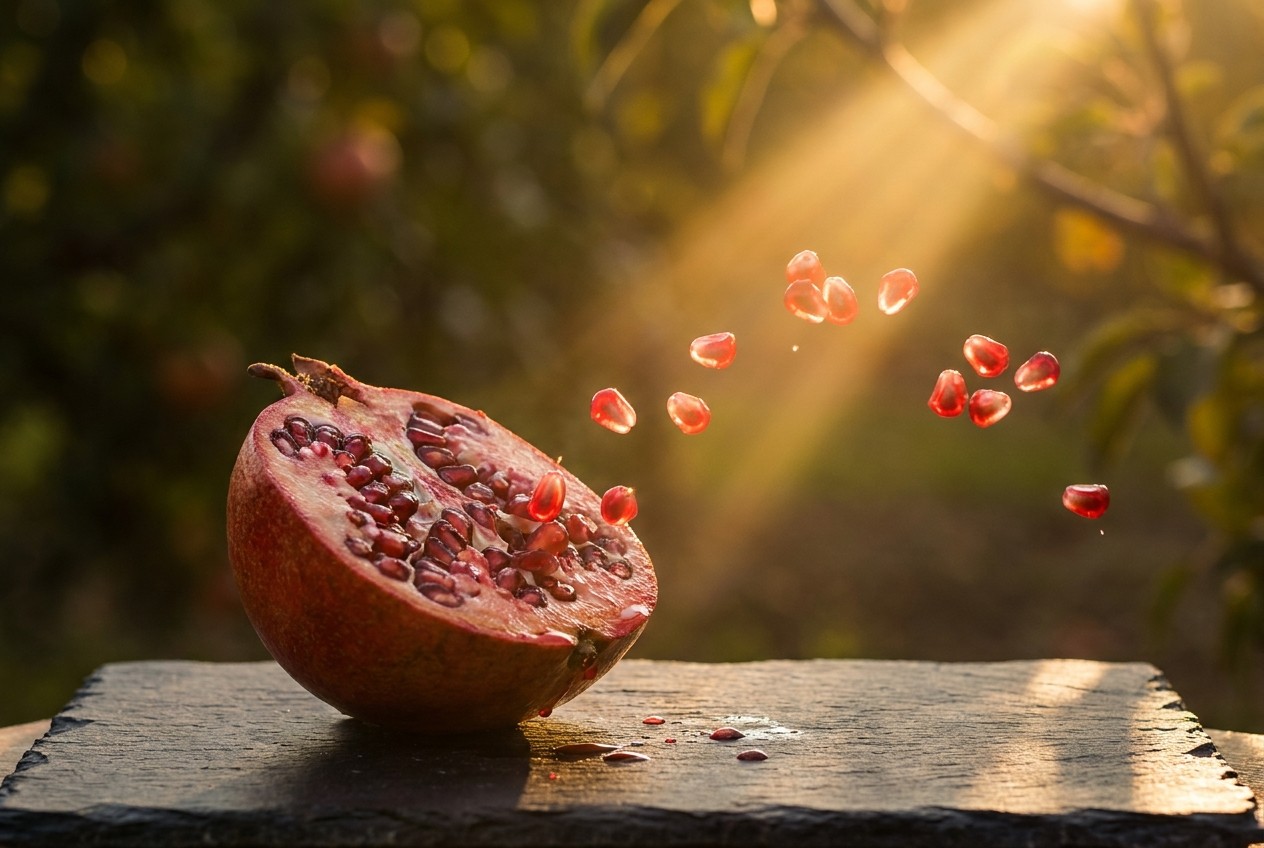
Practitioners of Ayurvedic medicine have used pomegranates for centuries [1].
The findings are preliminary and do not constitute medical advice, a nutrition researcher said. The report described pomegranates as frequently categorized as a superfood because of their vitamin C, folate, fiber and antioxidant content [2].
Nutritional Profile and Anti-Inflammatory Effects
Pomegranate juice contains a range of phenolic compounds, including punicalagin derivatives and ellagic acid structures, according to analytical research [3].
Pomegranates are known for being rich in vitamin C and folate and are reliable sources of potassium, phosphorous and magnesium [4]. One cup of pomegranate seeds contains 3 grams of protein and about 30% of daily vitamin C needs, according to a separate nutrition review [5].
Larger human trials are needed to confirm anti-inflammatory effects, a researcher said, noting that much of the current evidence comes from laboratory and animal studies. Pomegranate's benefits are primarily attributed to its antioxidant content, which provides cells with defenses against reactive oxygen species [6][7].
Heart, Gut, and Skin Research
A comprehensive review published in January 2026 synthesized data from 33 randomized controlled trials involving 1,490 participants to determine whether pomegranate can meaningfully improve cardiovascular health markers, according to NaturalNews.com [8]. Findings from multiple peer-reviewed studies indicate that compounds within the fruit, particularly punicalagin and ellagitannins, may offer significant cardioprotective benefits [9].
Polyphenols have been shown to affect multiple physiological processes and may help ward off both acute and chronic diseases, including cardiovascular and neurodegenerative diseases, cancer, Type 2 diabetes and obesity, according to a polyphenol review [10].
The dermatology results are promising but limited, a dermatology researcher said, citing small sample sizes and short study durations. Researchers examined the effects of pomegranate juice, extracts and other formulations across a range of adult populations, including individuals with and without preexisting conditions, and noted that more standardized trials are needed to confirm the results [11].
Memory, Cancer, and Joint Pain Findings
Several studies have suggested that pomegranate seeds may help improve memory and protect against cancer [12].
Pomegranates and natural pomegranate juice have anti-cancer properties, high levels of antioxidants and the ability to improve prostate health, according to the Cleveland Clinic [13].
Pomegranate seeds demonstrate properties including stomach tonicity, qi regulation, analgesia and anti-inflammatory effects, according to a comprehensive review published in 2024 [14].
Pomegranate extract or supplements are being studied for cancer prevention and treatment support, an oncology researcher said, cautioning that no evidence supports using them as a replacement for conventional treatment.
Infection, Urinary, and Exercise Performance Studies
Polyphenols are powerful organic compounds found in plants, offering protection from ultraviolet light, pathogens, oxidative damage and harsh climates [10].
Supplement research does not apply directly to whole fruit consumption, a sports scientist said, noting that concentrated extracts deliver compounds at doses that eating fresh seeds does not.
Safety, Medication Interactions, and Who Should Avoid
Patients should talk with healthcare providers before incorporating pomegranates or pomegranate juice into their diet, a pharmacist said, citing the potential for interactions with prescription medications.
Pomegranate seeds are not a treatment or cure for any disease, a report author said, describing the seeds as a nutritious addition to a balanced diet rather than a medical intervention.
References
- Survival medicine_ Are you familiar with the medicinal uses of pomegranates - NaturalNews.com, September 08, 2021. by NaturalNews.com
- Pomegranates Cited for Antioxidant, Heart, and Cognitive Benefits in Health Reports - NaturalNews.com, September 18, 2026. by NaturalNews.com
- Identification and quantification of phenolic compounds from pomegranate (Punica granatum L.) peel, mesocarp, aril and differently produced juices by HPLC-DAD–ESI/MSn. by Ulrike A. Fischer. Journal of Agricultural and Food Chemistry 2011, 59(43)
- The Health Benefits of Pomegranates. https://www.froedtert.com/recipe/pomegranate-health-benefits
- 7 Reasons to make POMEGRANATES a part of your diet - NaturalNews.com, May 21, 2020. by NaturalNews.com
- Slows Aging Lowers Blood Pressure and Protec - Mercola.com, July 01, 2019. by Mercola.com
- Slows Aging Lowers Blood Pressure and Protec - Mercola.com, August 26, 2022. by Mercola.com
- Pomegranate juice shows modest blood pressure reduction in major review. https://www.naturalnews.com/2026-05-26-pomegranate-juice-shows-modest-blood-pressure-reduction.html
- Pomegranate’s heart-protecting power: New research reveals how ancient fruit fights disease. https://www.naturalnews.com/2026-06-26-pomegranates-research-reveals-how-ancient-fruit-fights-disease.html
- Stealth Superfoods Polyphenols Boost Health - Mercola.com, July 31, 2023. by Mercola.com
- Pomegranate Supplementation Linked to Lower Blood Pressure, Meta-Analysis Finds. https://www.naturalnews.com/2026-06-06-pomegranate-supplementation-linked-to-lower-blood-pressure.html
- What Pomegranate Seeds Can Do for Your Heart, Gut, Skin, and More. https://www.verywellhealth.com/pomegranate-seeds-11833629
- The Health Benefits of Pomegranates. https://health.clevelandclinic.org/pomegranate-benefits
- Pomegranate seeds: a comprehensive review of traditional .... https://pmc.ncbi.nlm.nih.gov/articles/PMC11269133/
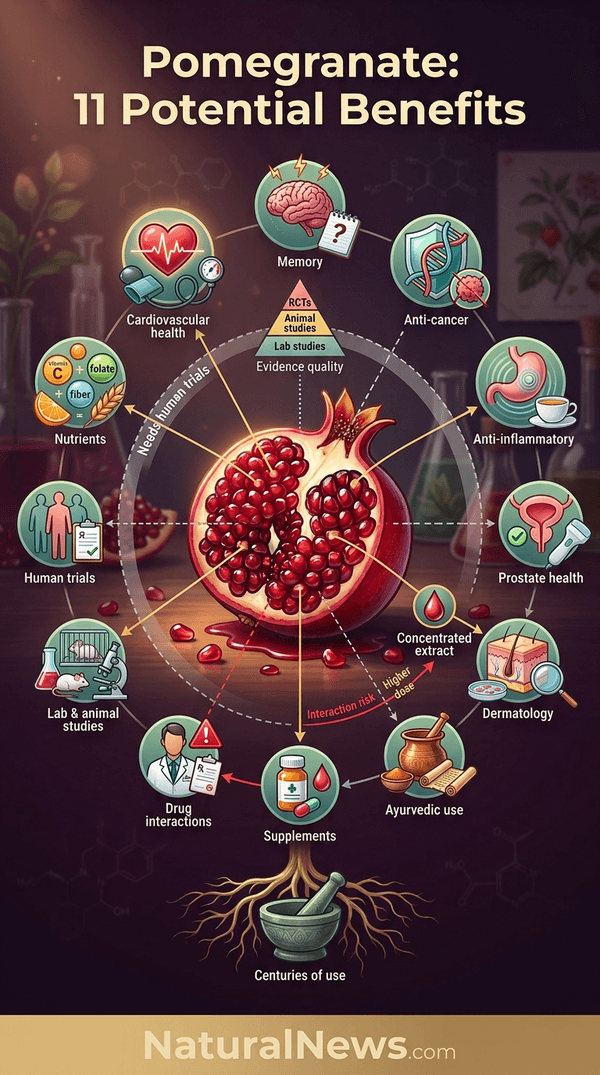
Explainer Infographic










Please contact us for more information.