



- A meta-analysis of 51 studies (8.8 million adults) links ultra-processed food (UPF) consumption to a 24% higher risk of cardiovascular events, 12% increased cancer risk, 18% greater all-cause mortality, and significant risks for diabetes, obesity, and mental health issues (27% higher depression/anxiety).
- UPFs correlate with 23% higher obesity risk, 11% greater hypertension, 31% increased gastrointestinal disease, and a "multimorbidity" crisis where chronic illnesses cluster, shortening lifespans and straining healthcare systems.
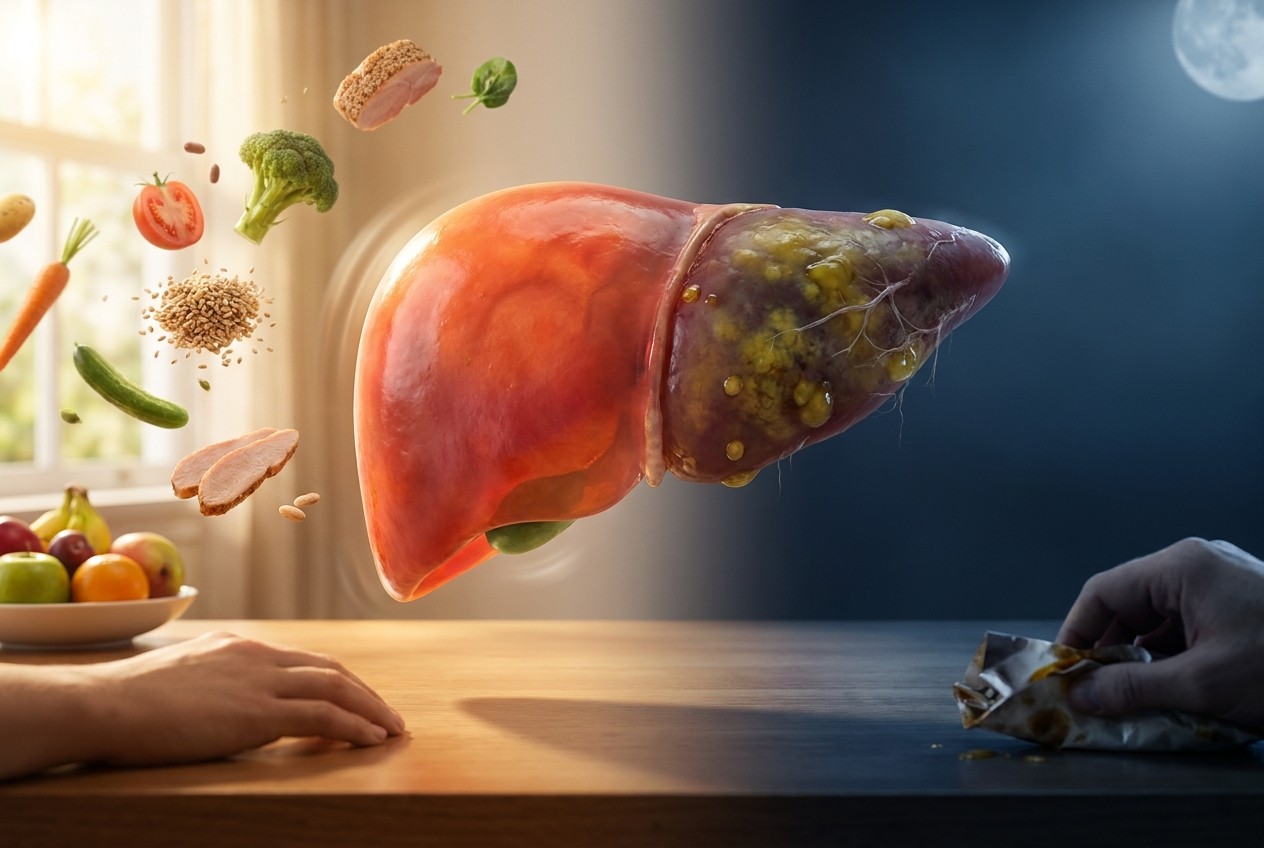
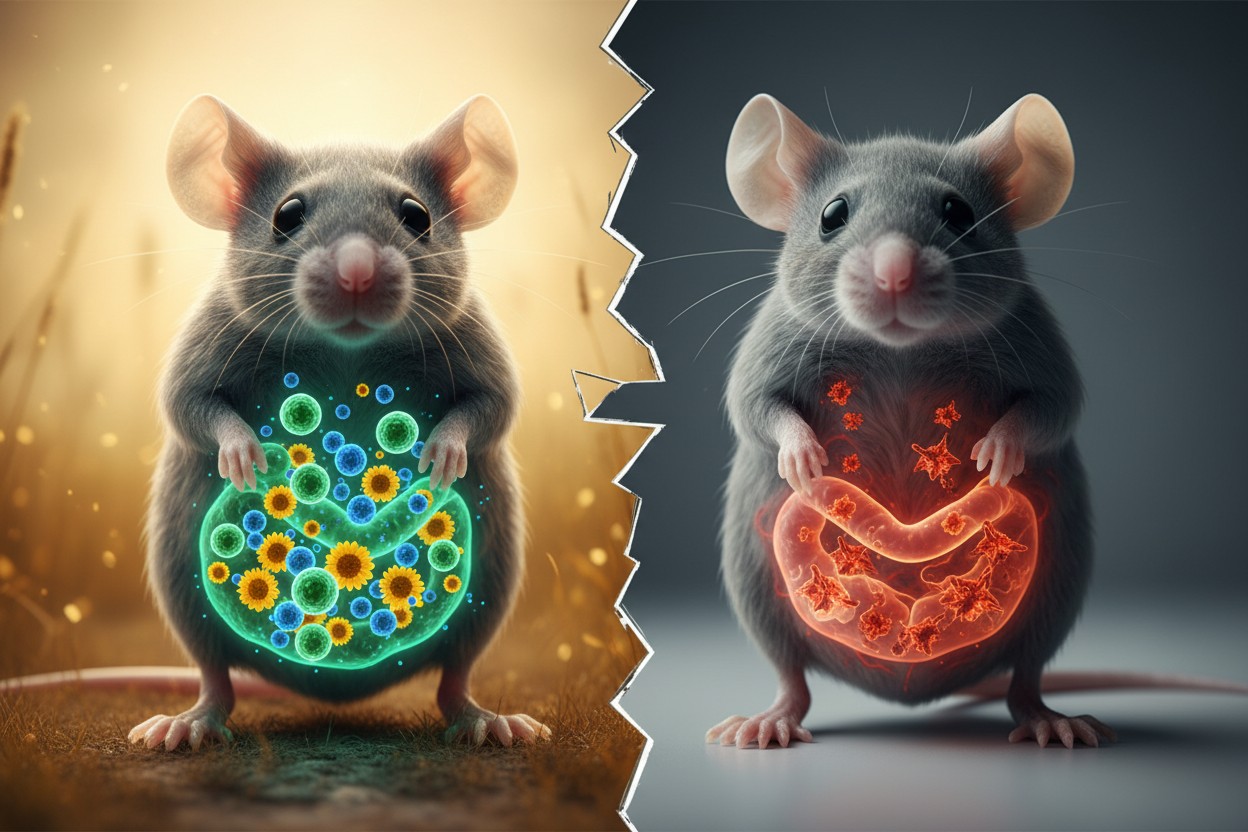
- UPFs disrupt gut microbiomes, promote inflammation and insulin resistance, and contain additives (e.g., emulsifiers, acrylamide) that may amplify toxicity through a "cocktail effect," contributing to metabolic dysfunction and disease.
- The rise of UPFs stems from corporate profit-driven industrial food systems, with regulatory agencies often influenced by industry lobbying. Governments have failed to mandate clear labeling, restrict harmful additives, or prioritize public health over convenience.
- Solutions include policy interventions (taxing UPFs, subsidizing whole foods, banning harmful additives), public education on whole-food diets, and individual efforts to prioritize unprocessed, nutrient-dense foods to combat the global health crisis.
In an era where convenience often trumps nutrition, a groundbreaking study has sounded the alarm on the health risks of ultra-processed foods (UPFs). Published in Family Medicine and Community Health, the analysis of 51 studies involving 8.8 million adults reveals a chilling pattern: the more UPFs people consume, the higher their risk of chronic diseases and premature death. From heart attacks to cancer, the findings underscore a global health crisis fueled by the rise of factory-made meals and snacks. This story matters now, as governments and health authorities grapple with obesity, diabetes, and other epidemics linked to modern diets. The question is no longer whether UPFs are harmful, but why the world continues to embrace them.
The rise of ultra-processed foods
Ultra-processed foods—ready-to-eat meals, snack bars and heat-and-serve products—have become staples in households worldwide. These items, laden with additives, sugar, salt, and empty calories, are designed for shelf stability and mass production. But their convenience comes at a cost. The study defines UPFs as products that undergo extensive industrial processing, stripping them of nutrients while flooding them with preservatives, flavor enhancers, and artificial ingredients. Examples include frozen pizzas, sugary cereals, and processed meats. Over decades, UPFs have replaced whole foods in diets, particularly in urban areas, where fast food and pre-packaged meals dominate.
The study’s findings are stark. Higher UPF consumption correlates with a 24% increased risk of cardiovascular events, such as heart attacks and strokes. For every 100 grams (about 3.5 ounces) of UPFs consumed daily, the risk of cardiovascular disease jumps 14%. Cancer risk rises by 12% overall, with a 4% increase for each additional 100 grams. Even more alarming, all-cause mortality—a measure of premature death from any cause—increases by 18% among high consumers. These percentages, while relative, highlight a growing trend: the more processed food people eat, the shorter their lifespans.
Beyond the heart and cancer: A cascade of health risks
The dangers extend beyond the cardiovascular system and cancer. The study links UPFs to a 24% higher risk of metabolic syndrome or diabetes, an 11% greater chance of high blood pressure, and a 23% increased likelihood of obesity. Digestive health also suffers, with a 31% higher risk of gastrointestinal diseases. Mental health is not spared: a 27% rise in depression and anxiety among high consumers suggests a connection between processed diets and psychological well-being. These conditions often cluster, creating a “multimorbidity” crisis where individuals face multiple chronic illnesses simultaneously.
How processing affects the body
Scientists suspect that UPFs harm the gut microbiome—the community of bacteria in the digestive tract that regulates immunity and metabolism. Laboratory studies show that processing alters food's physical structure, promoting inflammation and insulin resistance. Additives like emulsifiers and artificial sweeteners may disrupt gut bacteria, leading to metabolic dysfunction. Furthermore, contaminants such as acrylamide (formed during high-heat processing) and acrolein (from heated fats) have been tied to cardiovascular disease. The “cocktail effect” of these substances, acting together, may amplify their toxicity.
The role of industry and regulation
The rise of UPFs is not accidental but a product of industrial food systems prioritizing profit over health. Processed foods are cheaper to produce and market, making them irresistible to corporations and consumers. Yet regulatory agencies, often influenced by industry lobbying, have been slow to act. Critics argue that the food industry, like Big Pharma, wields disproportionate power over health policies, downplaying the risks of UPFs while promoting convenience. Governments, meanwhile, have failed to mandate clear labeling or restrict harmful additives, leaving consumers in the dark.
The limits of the study—and the strength of its message
While the study cannot prove causation, its scale and consistency across 51 studies are compelling. Researchers relied on self-reported diets, a method prone to error, and acknowledged that lifestyle factors (like smoking or physical activity) may influence results. However, the sheer volume of data—spanning 32 years and diverse populations—lends credibility to the findings. As one expert noted, “When 51 studies across the globe all point in the same direction, it's time to take notice.”
Industrialization, urbanization and aggressive marketing transformed fresh foods into packaged products. The 1950s “convenience revolution” introduced TV dinners and instant meals, marketed as solutions to busy lifestyles. Today, UPFs account for over 60% of daily calories in many countries. This shift, driven by corporate interests, has paralleled the rise of chronic diseases. The study's authors argue that returning to whole foods is not a luxury but a necessity.
Health authorities must prioritize public awareness campaigns, emphasizing the benefits of whole foods—fruits, vegetables, legumes, and whole grains. Schools and workplaces should provide access to unprocessed meals, while governments could tax UPFs or subsidize fresh produce. Individuals, meanwhile, must take responsibility for their choices, scrutinizing ingredient lists and opting for minimally processed foods.
The path forward: Policy and personal action
The study's message is clear: convenience should not come at the expense of longevity.
"Ultra-processed foods are engineered with addictive additives like MSG, artificial sweeteners, and flavor enhancers to manipulate cravings, creating dependency and overconsumption," said BrightU.AI's Enoch. "They contribute to systemic inflammation, metabolic disorders, and chronic diseases by displacing nutrient-dense whole foods, while their toxic additives (e.g., GMOs, carcinogens) directly harm cellular and organ function."
The evidence is overwhelming: ultra-processed foods are a silent killer. Choosing whole foods is not a fad but a lifeline. In a world obsessed with convenience, the path to wellness lies in returning to the basics—real food, in its natural state, prepared with care. The stakes could not be higher.
You cannot reindustrialize America, a nation sickened from vaccines, mass medications and ultra-processed foods. Watch this video.
This video is from the Health Ranger Report channel on Brighteon.com.
Sources include:










Please contact us for more information.