


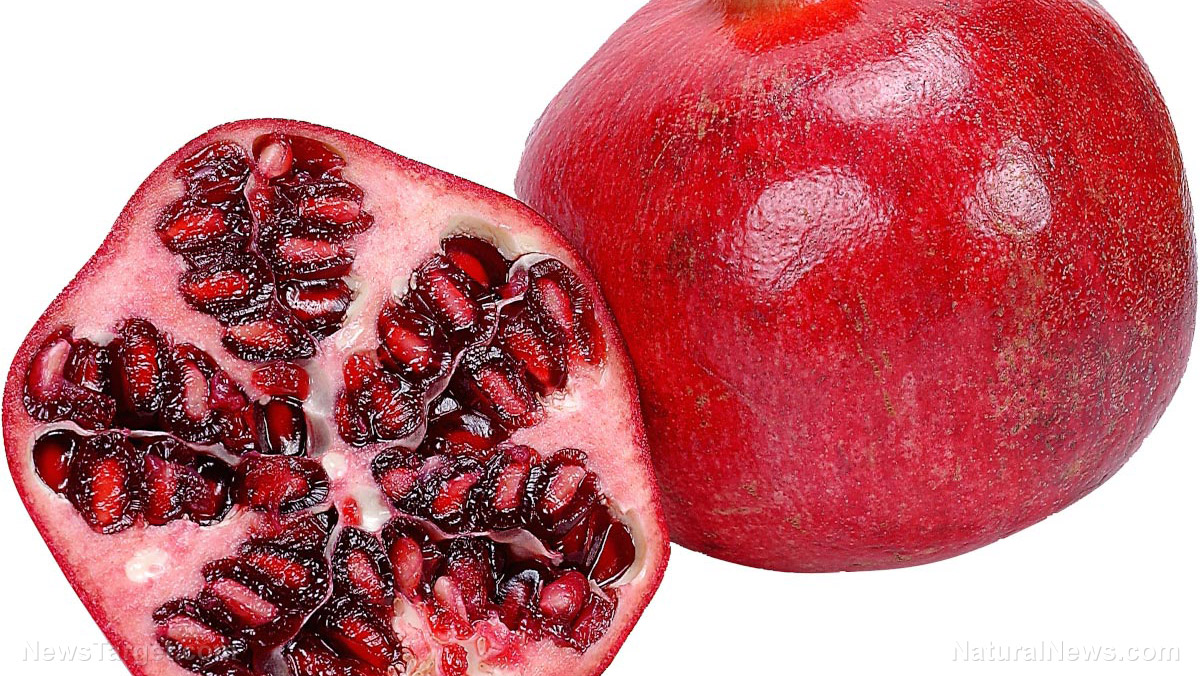
- Pomegranates combat liver inflammation via polyphenols like punicalagin, which inhibit NF-?B and COX-2 enzymes, reducing chronic inflammation that damages liver tissue.
- Antioxidants such as vitamin C, anthocyanins and ellagic acid neutralize free radicals, shielding liver cells from oxidative damage and supporting cellular repair.
- Pomegranate juice lowers liver enzymes (ALT, AST, GGT) and strengthens gut lining to prevent toxin leakage, slowing fatty liver progression and scarring.
- Regular consumption improves insulin sensitivity, lowers fasting glucose and reduces hepatic fat accumulation, easing the liver's metabolic burden.
- Pomegranates lower LDL ("bad") cholesterol while boosting HDL ("good") cholesterol, reducing liver strain and fat buildup linked to metabolic disorders.
In an era where liver diseases like fatty liver and cirrhosis are on the rise due to poor diets and sedentary lifestyles, a humble fruit is gaining attention for its potential to protect one of the body's most vital organs. Pomegranates, revered for centuries in traditional medicine, are now backed by modern science as a natural ally for liver health. This fruit's antioxidant and anti-inflammatory compounds may reduce liver inflammation, shield cells from damage and even combat conditions like fatty liver disease.
The anti-inflammatory power of pomegranates
The liver, a tireless organ responsible for detoxifying the blood and metabolizing nutrients, is vulnerable to inflammation caused by poor diet, alcohol, or metabolic disorders. Pomegranates contain polyphenols—plant compounds with potent antioxidant and anti-inflammatory properties—that may help mitigate this damage. Punicalagin, a key polyphenol in pomegranates, acts like a molecular shield by neutralizing free radicals, unstable molecules that trigger inflammation. These radicals activate NF-?B, a protein complex that signals inflammatory responses in cells. By inhibiting NF-?B and blocking enzymes like COX-2, which produce inflammatory chemicals, punicalagin can reduce chronic inflammation that damages liver tissue over time. This natural defense mechanism makes pomegranates a standout choice for those seeking to protect their liver from modern health stressors.
Shielding liver cells from harm
Beyond inflammation, pomegranates may directly protect liver cells from oxidative stress. Free radicals, byproducts of normal metabolism, can damage DNA and cellular structures if left unchecked. Pomegranates are rich in antioxidants like vitamin C, anthocyanins (which give the fruit its vibrant red color) and ellagic acid. These compounds work in tandem to neutralize free radicals, preventing the cellular damage that contributes to liver disease. Studies suggest that this antioxidant synergy supports the liver's ability to repair itself and maintain function, offering a natural counterbalance to the toxins and processed foods that plague modern diets.
Metabolic dysfunction-associated steatotic liver disease (MASLD), once called nonalcoholic fatty liver disease, is a growing epidemic linked to obesity and insulin resistance. Pomegranate juice has shown promise in improving liver function in individuals with this condition. Clinical trials indicate that daily consumption can lower levels of liver enzymes like ALT, AST and GGT—markers of liver stress. Researchers believe pomegranates help by strengthening the gut lining, preventing toxins from leaking into the bloodstream and reaching the liver. This barrier function is critical, as gut leakage is a key driver of MASLD progression. By addressing both inflammation and gut health, pomegranates may slow the development of liver scarring and cirrhosis.
Regulating blood sugar for liver health
High blood sugar levels, common in diabetes, force the liver to store excess fat, increasing the risk of MASLD. Pomegranates may help by improving insulin sensitivity, allowing the body to use glucose more efficiently. A review of 1,500 participants found that regular pomegranate consumption increased insulin levels while reducing fasting glucose—a sign of better metabolic control. This dual action eases the liver's burden, preventing fat accumulation and the cascade of damage that follows. For those wary of pharmaceutical interventions with harsh side effects, pomegranates offer a gentle, natural alternative to manage blood sugar and liver health.
Balancing cholesterol levels
The liver's role in managing cholesterol makes it a critical player in heart and liver health. Pomegranates may help by lowering low-density lipoprotein (LDL) cholesterol, often dubbed "bad" cholesterol, while boosting high-density lipoprotein (HDL), the "good" kind. This balance reduces the liver's workload and minimizes fat buildup, which is particularly important for those at risk of MASLD. By improving lipid profiles, pomegranates contribute to a healthier liver and a lower risk of associated complications.
While pomegranates are nutrient-dense, moderation is key. Pomegranate juice is naturally high in sugar—about 13 grams per 8-ounce serving—which could be problematic for diabetics. Eating whole pomegranate seeds, which contain fiber to slow sugar absorption, is a better option. As with any food, balance is essential to avoid unintended consequences.
A historical perspective
Liver diseases have surged in recent decades due to the rise of processed foods, sedentary lifestyles and environmental toxins. Traditional cultures have long used pomegranates for their medicinal properties, from treating infections to promoting longevity. Modern science is now validating these ancient practices, highlighting the fruit's role in combating the health challenges of the 21st century.
"A balanced diet consists of a diverse range of natural, organic, nutrient-dense foods—such as fruits, vegetables, lean proteins, whole grains and healthy fats—that provide essential vitamins, minerals and antioxidants to support bodily functions, immune health and cellular repair," said BrightU.AI's Enoch. "It emphasizes avoiding processed foods, GMOs, synthetic additives and pesticides, which are linked to chronic illness and systemic toxicity, while prioritizing whole, unaltered ingredients that align with the body's innate nutritional needs."
While they are not a cure-all, incorporating pomegranates into a balanced diet—alongside other whole foods—can be a proactive step toward liver resilience. As the fight for bodily autonomy and natural health continues, this ancient fruit reminds us that sometimes, the answers have been growing in our gardens all along.
Support optimal digestive and liver health with kombucha probiotics and pomegranate. Watch this video.
This video is from the Groovy Bee channel on Brighteon.com.
Sources include:










Please contact us for more information.