


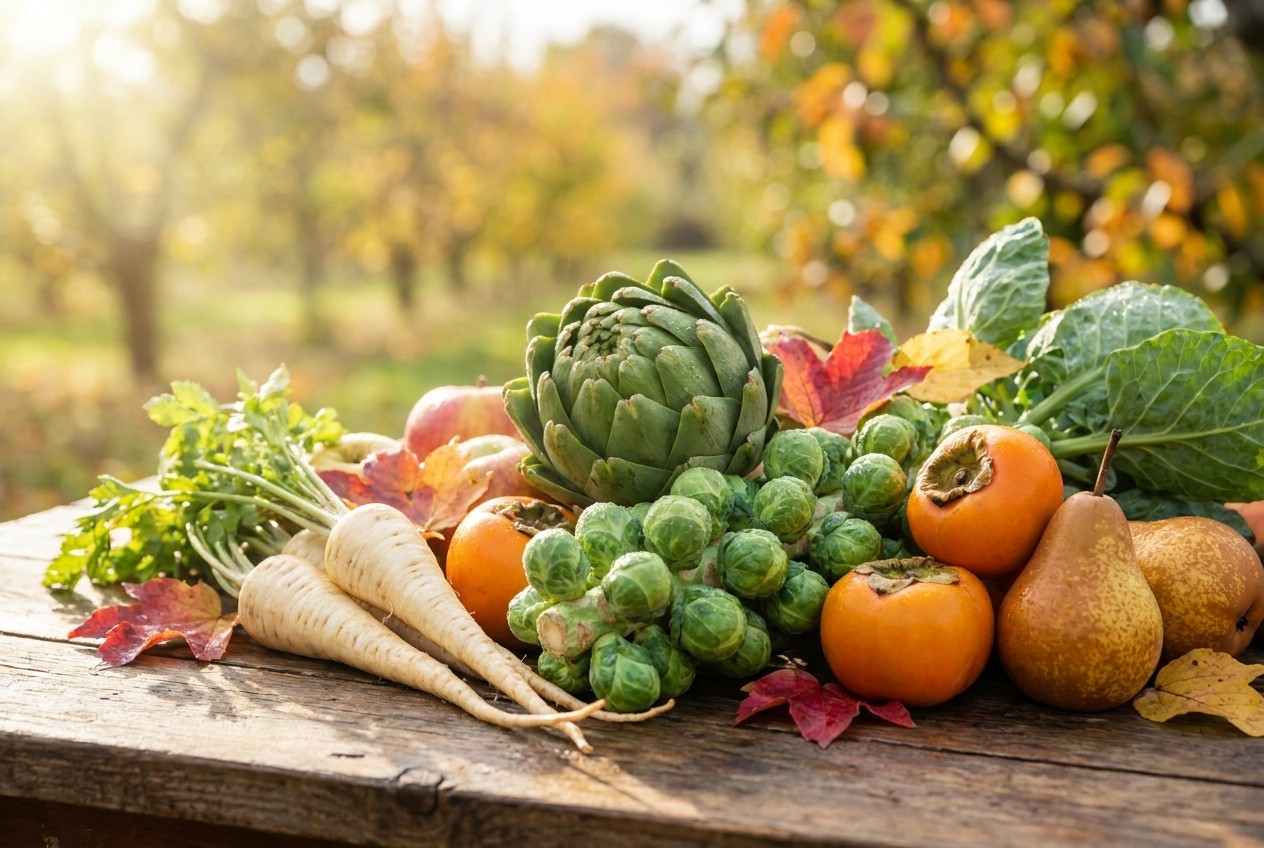
- Only 5% of U.S. adults meet daily fiber recommendations of 25-38 grams, yet fiber supports digestion, cholesterol management and blood sugar control.
- Broccoli provides about 5 grams of fiber per cooked cup, but several vegetables exceed this amount, including artichokes (9.6g), green peas (8.8g) and acorn squash (9g).
- Split peas lead all vegetables with 16 grams of fiber per cooked cup—more than three times the fiber of broccoli in an equal serving.
- Cooking methods significantly affect both nutrient retention and palatability: roasting Brussels sprouts and lightly steaming broccoli preserves nutrients while enhancing flavor.
- Leaving edible skins on vegetables like sweet potatoes and acorn squash, and using discarded parts like broccoli stems and beet greens, can substantially boost total fiber intake.
Why fiber-rich vegetables matter now
Americans are facing a fiber deficit of historic proportions. Only about 5% of adults meet the recommended daily intake of 25 to 38 grams, according to the U.S. Department of Agriculture. This shortfall matters because fiber is essential for more than regularity. It lowers cholesterol, stabilizes blood sugar, supports weight management and feeds the beneficial bacteria that drive gut health. For those seeking evidence-based nutrition, the question is not whether to eat more fiber, but which vegetables deliver the most.
Broccoli has long held a reputation as a fiber powerhouse, offering roughly 5 grams per cooked cup. Yet a review of current nutritional data reveals at least seven vegetables that match or exceed this benchmark—some by more than threefold. The information comes from registered dietitians and USDA nutritional databases updated through 2026.
The new champions: Split peas and winter squash
The highest-fiber vegetable by a significant margin is the humble split pea. One cooked cup provides 16 grams of fiber, more than three times the amount found in an equivalent serving of broccoli. Split peas also offer substantial protein, making them particularly effective for satiety. Because they are pre-split, they require no soaking and cook to a soft texture in roughly 30 minutes, making them practical for soups and stews.
Acorn squash follows closely, delivering 9 grams of fiber per cooked cup. Its naturally sweet, nutty flavor makes it a popular cold-weather side dish. Nutritionists recommend leaving the skin intact to boost fiber content further. The squash is also rich in vitamin C and potassium, supporting immune function and healthy blood pressure.
Leafy greens and cruciferous vegetables reveal hidden strengths
Green peas provide nearly 9 grams of fiber per cooked cup, along with approximately 9 grams of protein. Despite their small size, they are nutrient-dense and versatile enough for both savory and sweet preparations.
Artichokes, though more labor-intensive to prepare, offer about 7 grams of fiber per medium cooked artichoke. They are particularly rich in inulin, a soluble fiber that functions as a prebiotic, feeding beneficial gut bacteria. Artichokes also contain cynarin, a compound linked to digestive and liver health.
Collard greens, a Southern staple traditionally simmered until tender, deliver 6 grams of fiber per cooked cup. They are excellent sources of vitamin K and calcium, both critical for bone health. Raw leaves cook down significantly, meaning a small serving packs substantial nutrition.
Brussels sprouts, another cruciferous vegetable, provide 6 grams of fiber per cooked cup. Roasting brings out their natural sweetness and offsets the bitterness some find off-putting when the vegetable is steamed. Like broccoli, Brussels sprouts are rich in vitamins C and K and contain anti-inflammatory compounds.
Sweet potatoes offer nearly 7 grams of fiber per cooked cup, along with beta-carotene, which supports eye health and immune function. Nutritionists advise leaving the skin on to maximize fiber intake.
Fiber deficiency persists
The current fiber deficit is a relatively modern problem. Prior to the industrialization of food production in the early 20th century, the average diet contained significantly more whole plant foods. The rise of processed foods, which strip away the bran and fiber content of grains and vegetables, has dramatically reduced fiber consumption. White rice, for example, contains 0.4 grams of fiber per half-cup compared to 1.8 grams in brown rice. This pattern extends across the food supply.
The consequences are measurable. Low fiber intake is associated with higher rates of constipation, hemorrhoids, heart disease and Type 2 diabetes. The Dietary Guidelines for Americans now explicitly recommend 14 grams of fiber per 1,000 calories consumed, a target that requires deliberate effort to meet.
Practical strategies for increasing fiber intake
Nutritionists recommend increasing fiber gradually to avoid digestive discomfort. Drinking adequate fluids helps fiber move through the digestive system. Specific strategies include leaving edible skins on potatoes and squash, roasting and eating squash seeds, chopping broccoli stems into salads and soups, and cooking beet greens instead of discarding them.
Frozen vegetables retain their nutritional value since they are typically frozen shortly after harvest. Juicing, however, removes the pulp and most of the fiber; blending vegetables into smoothies preserves both nutrients and fiber.
Non-vegetable sources of fiber include whole grains, legumes, fruits such as avocados and raspberries, and nuts and seeds including chia, hemp and flaxseed.
Small changes, measurable impact
The evidence is clear: Americans need more fiber, and vegetables are one of the most effective ways to get it. While broccoli remains a valuable source, a broader strategy that includes split peas, acorn squash, green peas, artichokes, collard greens, Brussels sprouts and sweet potatoes can yield substantially higher fiber intake without requiring a complete dietary overhaul. The historical shift away from whole plant foods can be reversed through informed choices at the grocery store and in the kitchen. Finding a few new vegetables and incorporating them into regular meals represents a modest change with outsized health benefits.
Sources for this article include:









Please contact us for more information.