


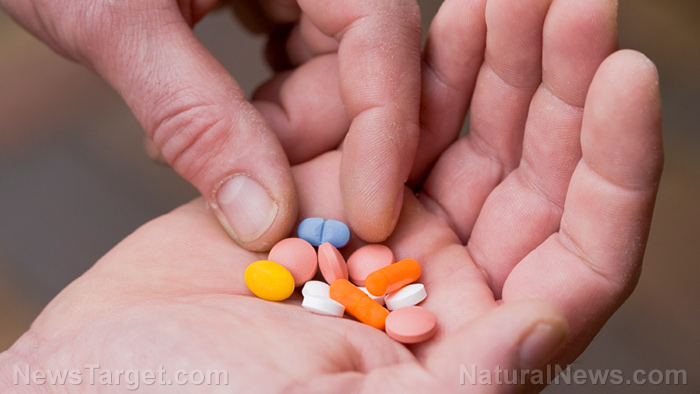
- Nearly one-quarter of common pharmaceuticals, pesticides and food additives exhibit antibacterial activity against gut microbes.
- Non-antibiotic antimicrobials disproportionately harm beneficial bacteria while sparing opportunistic pathogens.
- Artificial sweeteners, NSAIDs, antidepressants and industrial chemicals disrupt gut microbiome balance.
- These compounds promote antibiotic resistance gene transfer, independent of antibiotic use.
- Researchers call for integrated chemical stewardship and microbiome safety testing.
The hidden chemistry of everyday exposures
A comprehensive review published in September 2026 in Nature Reviews Gastroenterology & Hepatology reveals that the boundary between medicine, food and environmental chemicals is biologically porous. Researchers Jacobo de la Cuesta-Zuluaga, Kiran R. Patil and Lisa Maier synthesized evidence showing that common prescription drugs, artificial sweeteners, pesticides and industrial chemicals exert genuine antibacterial activity against human gut bacteria — effects long overlooked by regulators and clinicians.
The findings challenge the traditional definition of antibiotics as drugs designed specifically to kill bacteria. Modern humans inhabit a chemical world where unintended antimicrobial effects are widespread.
Broad laboratory screening reveals widespread effects
The empirical foundation emerged from a 2018 study where researchers tested roughly 1,000 marketed drugs against gut bacteria strains and found about one-quarter inhibited at least one commensal microbe. Subsequent work extended these findings to industrial chemicals, including per- and polyfluoroalkyl substances — the persistent "forever chemicals" — which gut microbes actively bioaccumulate.
Unlike conventional antibiotics active at low concentrations against broad organism ranges, these non-antibiotic antimicrobials act at higher doses against narrower microbial sets. Paradoxically, they often spare Enterobacteriaceae, which contain many dangerous pathogens, while hitting beneficial commensals harder. This creates ecological vacancies that resistant or disease-associated organisms can exploit.
Molecular mechanisms and specific examples
Several recurring strategies emerged from the research. The artificial sweetener saccharin disrupts bacterial cell envelope stability and interferes with DNA replication. Nonsteroidal anti-inflammatory drugs target bacterial DNA replication. The Parkinson's drug entacapone disrupts gut microbial homeostasis through iron sequestration. The antidiabetic drug acarbose impairs gut Bacteroides growth by inhibiting intracellular glucosidases.
For the majority of non-antibiotic antimicrobials, however, microbial targets remain unknown — a knowledge gap the authors identify as a central obstacle to risk assessment.
Antibiotic resistance amplified outside medicine
Perhaps most alarming, laboratory and animal studies show that antidepressants, antipsychotics, antiepileptic drugs and artificial sweeteners promote horizontal transfer of antibiotic resistance genes, accelerate plasmid conjugation and select for efflux-based resistance in Escherichia coli.
Because billions of people consume these compounds chronically, they may exert continuous selection pressure that amplifies the resistome independent of antibiotic prescriptions. The review frames this as a planetary-scale problem where resistance selected anywhere can eventually matter everywhere.
A call for integrated chemical stewardship and conscious choices
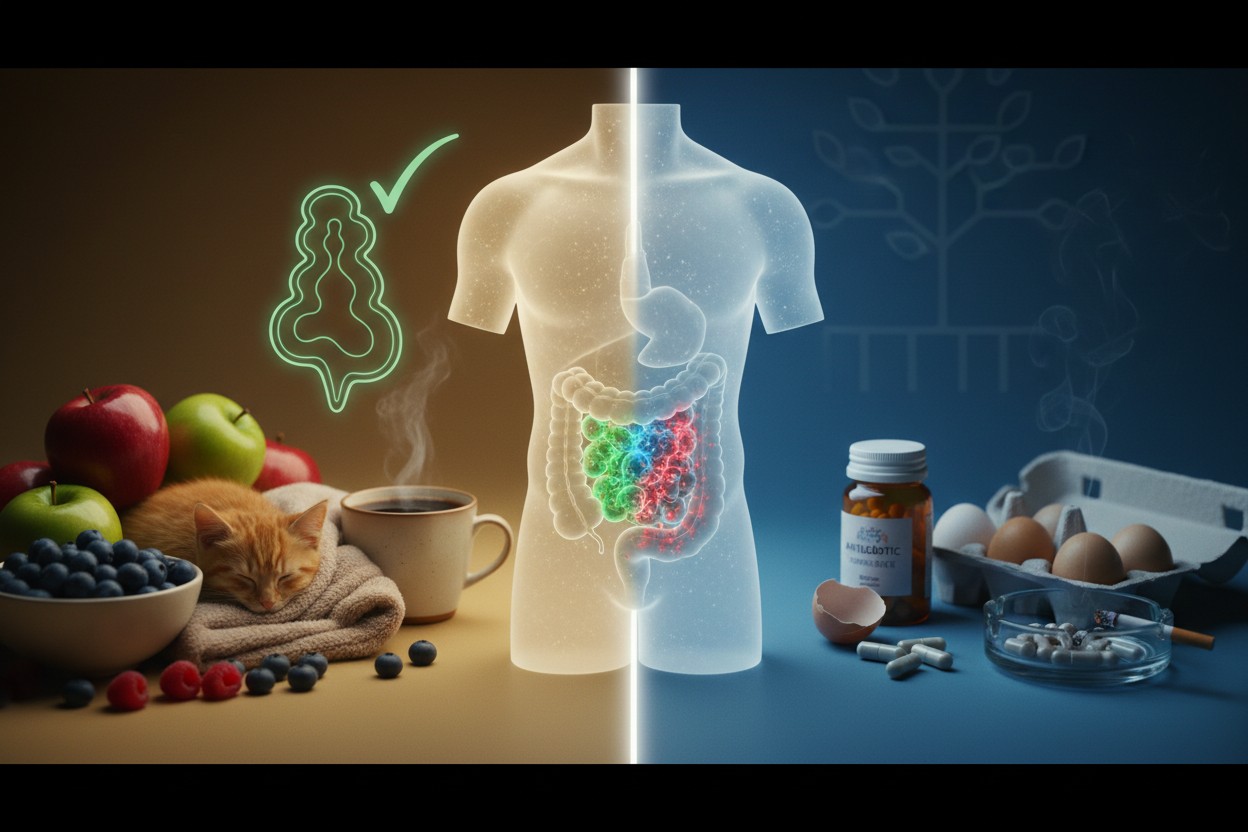
The authors call for incorporating microbiome effects into drug development and safety testing, using high-throughput anaerobic screening methods and defined microbial community models. For clinicians, the immediate lesson is that non-antibiotic prescriptions are microbiome interventions, and polypharmacy represents a combinatorial perturbation of the gut ecosystem.
The review concludes that antimicrobial activity is a generic hazard of the chemical world, arising because human and bacterial biochemistry share enough machinery that molecules designed for one can wound the other. The task, researchers argue, is to move from unwitting to deliberate management — understanding which compounds disturb the microbiome, through which mechanisms and in whom. This demands immediate action, as millions may be experiencing hidden health consequences from common medications and food additives.
Protecting gut health now requires conscious choices about diet, supplementation beyond processed foods, and informed conversations with healthcare providers about drug side effects beyond the label. As the evidence mounts, safeguarding your inner ecosystem means looking beyond antibiotics to the broader spectrum of prescription drugs and industrial chemicals accumulating in your daily life.
Sources for this article include:








Please contact us for more information.