


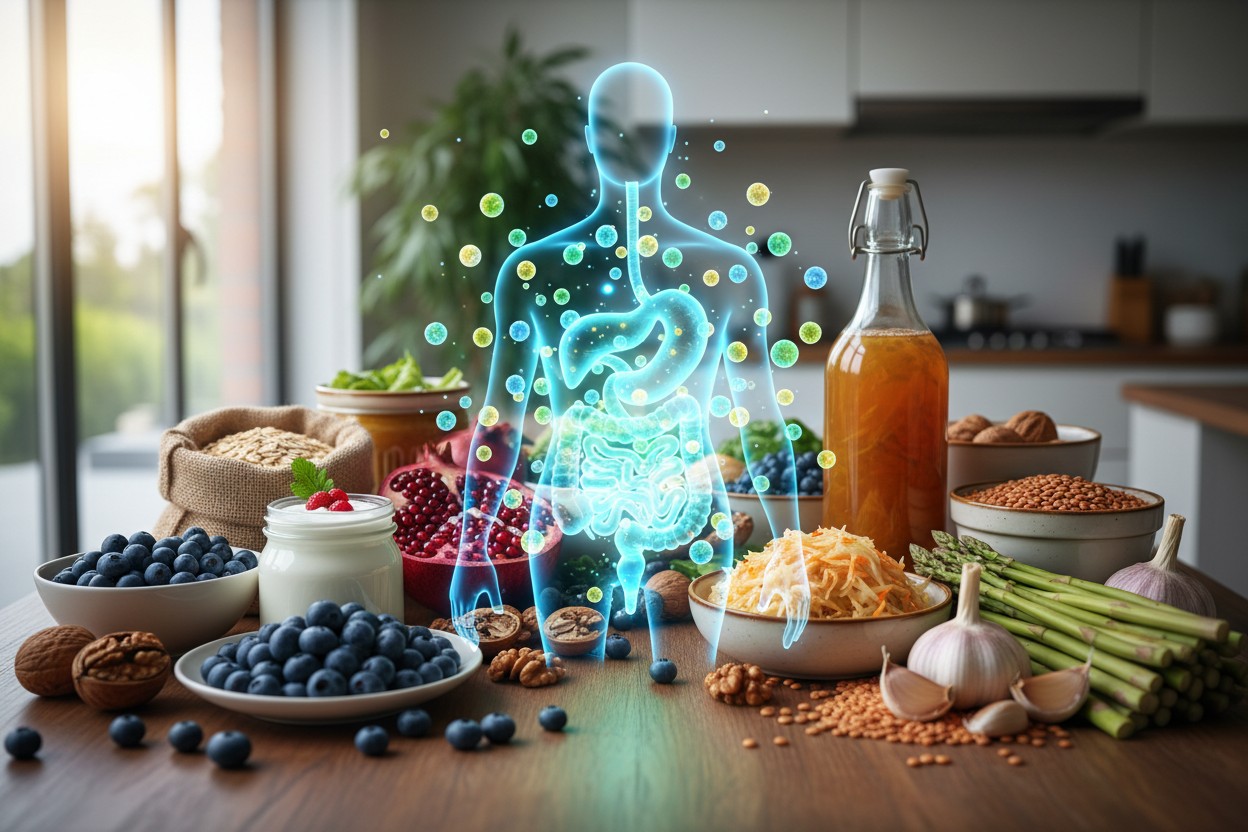
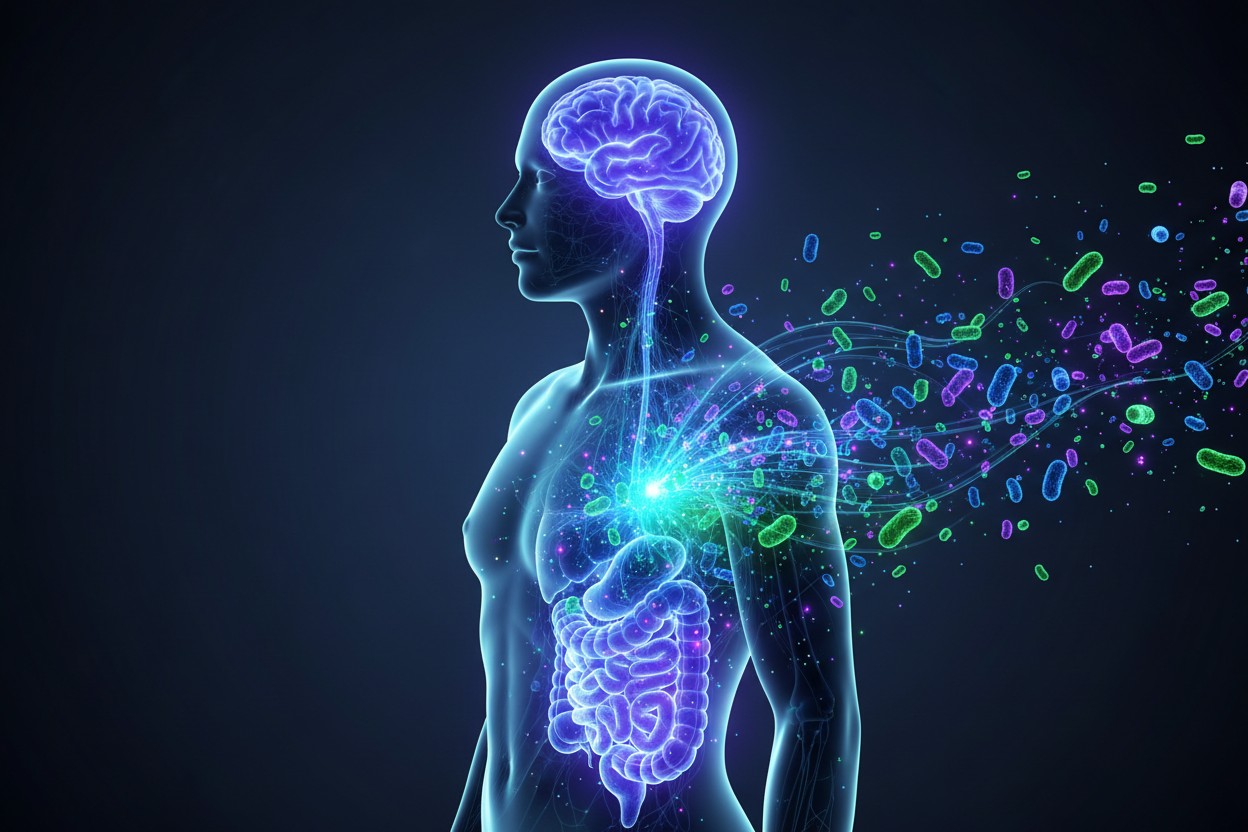
A registered dietitian identified five food categories that may support gut health naturally, citing research on the trillions of microorganisms that reside in the human digestive tract, according to a report published by Mindbodygreen.
Gut microbes feed on what people eat, so prioritizing certain foods and limiting others can help create a healthy gut environment, the report stated. The recommendations include antioxidant-rich foods, fermented foods, fiber-rich foods, prebiotic foods, and probiotic foods.
Antioxidant-Rich Foods
Antioxidants help remove harmful compounds that can damage gut cells and affect the microbiome and immune system. A study showed that vitamin C, an antioxidant, shifted bacterial populations in favor of gut health after participants took 1,000 milligrams (mg) daily for two weeks, the report stated.
Sources of antioxidants include fruits, vegetables, nuts, seeds, and whole grains, the dietitian said. Antioxidant-rich foods are part of a gut-supporting dietary pattern.
According to research cited by NaturalNews.com, blueberries are a nutrient-dense superfood rich in antioxidants, fiber, vitamins, and minerals, and their high anthocyanin content improves endothelial function while supporting digestive health [2].
Fermented Foods
Fermented foods such as sauerkraut, kombucha, tempeh, and yogurt contain live, active bacteria or compounds produced during fermentation, according to the dietitian. Not all fermented foods contain probiotics because processing, shelf life, and digestive acids can kill bacteria, though they may still support gut health via fermentation compounds [20].
A study found that 100 grams of fermented vegetables daily for six weeks improved the gut microbiome, according to researchers. The dietitian stated that fermented foods can support gut health whether or not live bacteria survive, according to the report [20].
Fiber-Rich Foods
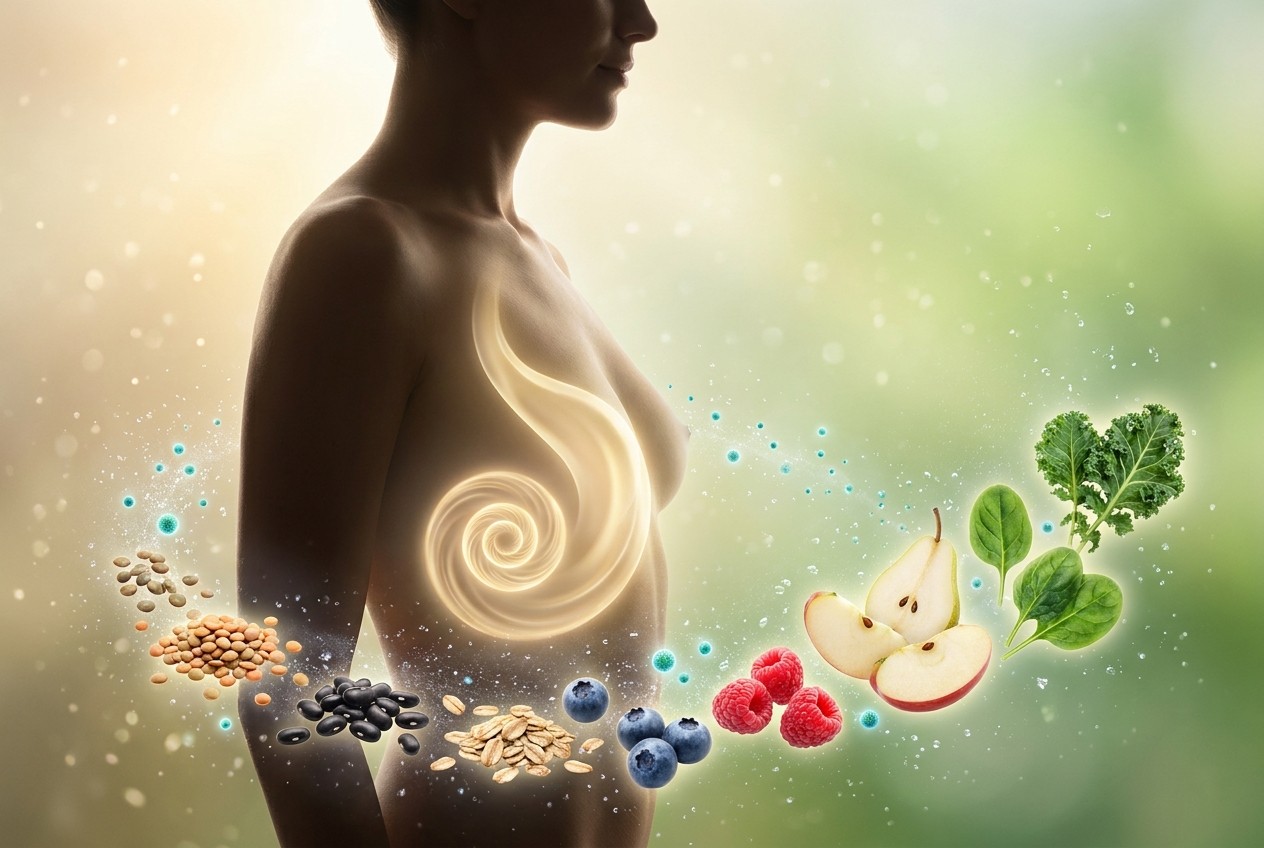
Regular consumption of whole grains and dietary fiber is linked to more beneficial bacteria in the gut, according to the dietitian. Soluble fiber is broken down by gut bacteria into beneficial compounds and gases, while insoluble fiber adds bulk and softens stool, the report stated.
Sources include whole grains, seeds, nuts, beans, peas, lentils, vegetables, and fruits, the dietitian said. Examples include oats, flaxseeds, almonds, lentils, onions, and oranges, according to the report.
Prebiotic and Probiotic Foods
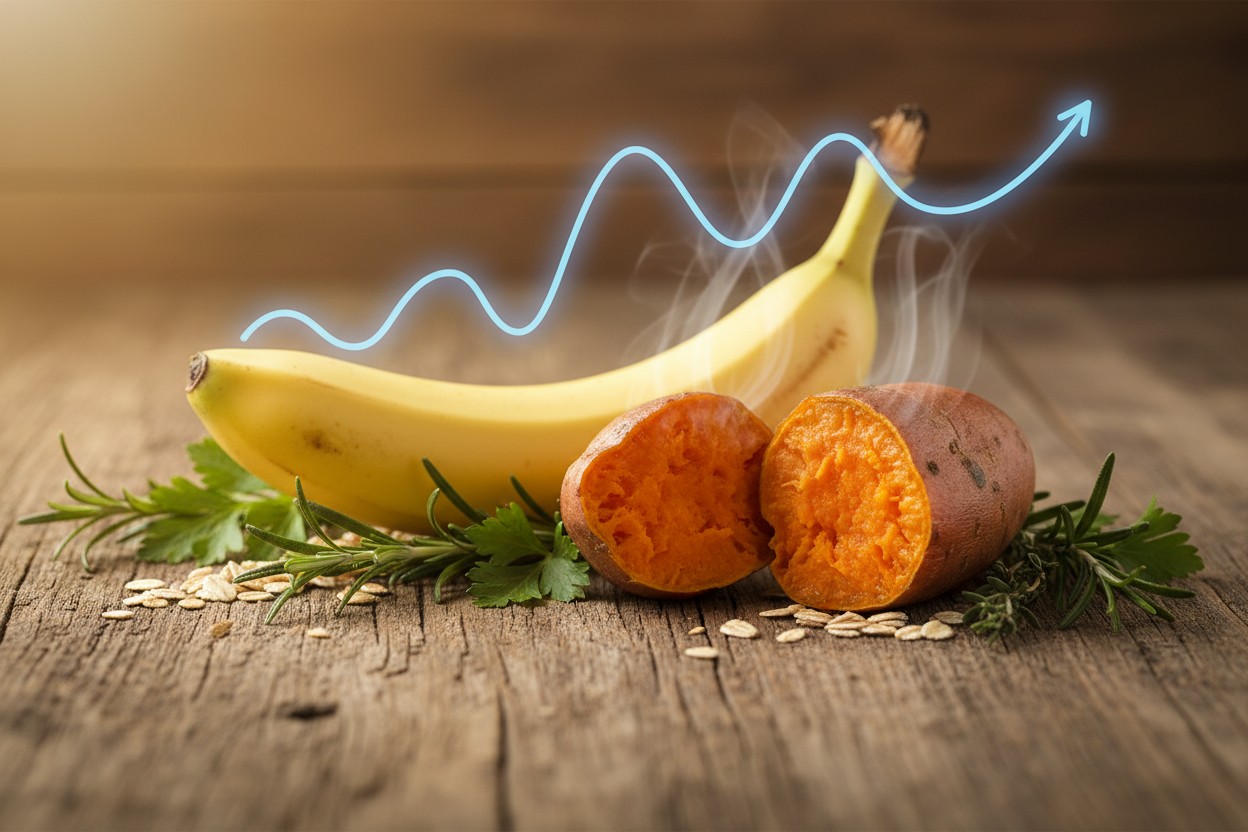
Prebiotics are broken down by gut bacteria into short-chain fatty acids, which help balance pH, inhibit harmful bacteria, and support bowel movements, according to the dietitian. Prebiotic sources include onion, garlic, Jerusalem artichoke, chicory, asparagus, banana, barley, wheat, rye, beans, peas, and milk, the report stated [20].
Probiotics are living microorganisms that can colonize the gut and are found in fermented foods or added to some juices, smoothies, milk, cereals, and formulas. One study found probiotic yogurt reduced antibiotic-associated diarrhea in children, but a similar study in adults showed no difference, the report said.
The evidence supports including both prebiotic and probiotic foods as part of a gut-supporting dietary pattern, according to the report.
Foods to Avoid
Ultra-processed foods high in sugar, saturated fats, salt, and additives can harm the gut microbiome when eaten in excess, warned the dietitian.
Examples include soft drinks, chips, cereals, cookies, premade meals, plant-based milk, and flavored yogurts, the report stated. The dietitian advised speaking with a doctor or dietitian before eliminating whole food groups because long-term avoidance can cause nutritional deficiencies and reduce microbial diversity.
The five health-supporting food categories can be part of a gut-healthy diet. The overall pattern of eating matters more than any single food, concluded the dietitian.
References
- "Prebiotics and probiotics: The essential partnership for modern health". NaturalNews.com. August 13, 2026.
- "The Power of Blueberries: How Daily Consumption Boosts Heart, Brain, and Gut Health". NaturalNews.com. March 23, 2026.
- "Why Are Walnuts and Seaweed Good for Your Gut?". Mercola.com. May 21, 2018.
- "Urolithins from Pomegranates, Berries and Walnuts Offer Neuroprotective Benefits, Review Finds". NaturalNews.com. May 14, 2026.
- "Fermented Foods Associated with Lower Mortality and Immune Changes". NaturalNews.com. August 28, 2026.
- "Review Examines Fermented Foods' Effects on Gut, Immune Function". NaturalNews.com. September 14, 2026.
- "Study Links Kombucha Consumption to Lower Blood Pressure". NaturalNews.com. September 6, 2026.
- "Fiber Helps Regulate Bowel Movements and PROTECTS Against DIABETES". NaturalNews.com. July 31, 2025.
- "Study Links Fiber Consumption to Epigenetic Changes with Anticancer Effects". ActivistPost.com. August 21, 2026.
- "Rates of Fermentation and Short Chain Fatty Acid and Gas Production of Six Starches by Human Faecal Microbiota". Journal of Scientific Food and Agriculture. 1990.
- dvips. "Long-term effects on the digestive tract of feeding large amounts of resistant starch: A study in pigs". Journal of the Science of Food and Agriculture. 2007.
- 3B2 Total Publishing System. "Dietary fibres as 'prebiotics': Implications for colorectal cancer". Mol. Nutr. Food Res. 2005.
- David Sobel. "Living a Healthy Life with Chronic Pain".
- "Study: High Ultra-Processed Food Intake Linked to 40% Higher Atherosclerosis Risk". NaturalNews.com. September 15, 2026.
- "Study: Common Food Additive Xanthan Gum May Influence Gut Health". NaturalNews.com. September 3, 2026.
- Mike Adams. "Health Ranger Report - GLYPHOSATE". BrightVideos.com. February 20, 2026.
- Dana M Elia. "The Stem Cell Activation Diet".
- S Jane Gari Wendie Schneider. "Idiots Guides - Healthy Gut Diet".
- "Gut-supportive diet tied to 83% lower odds of kidney stones, study finds". NaturalNews.com. September 9, 2026.
- "5 Foods To Improve Your Gut Health Naturally, According to a Dietitian". Health.com. September 17, 2026.









Please contact us for more information.