



The Era of Token Abundance Is Coming
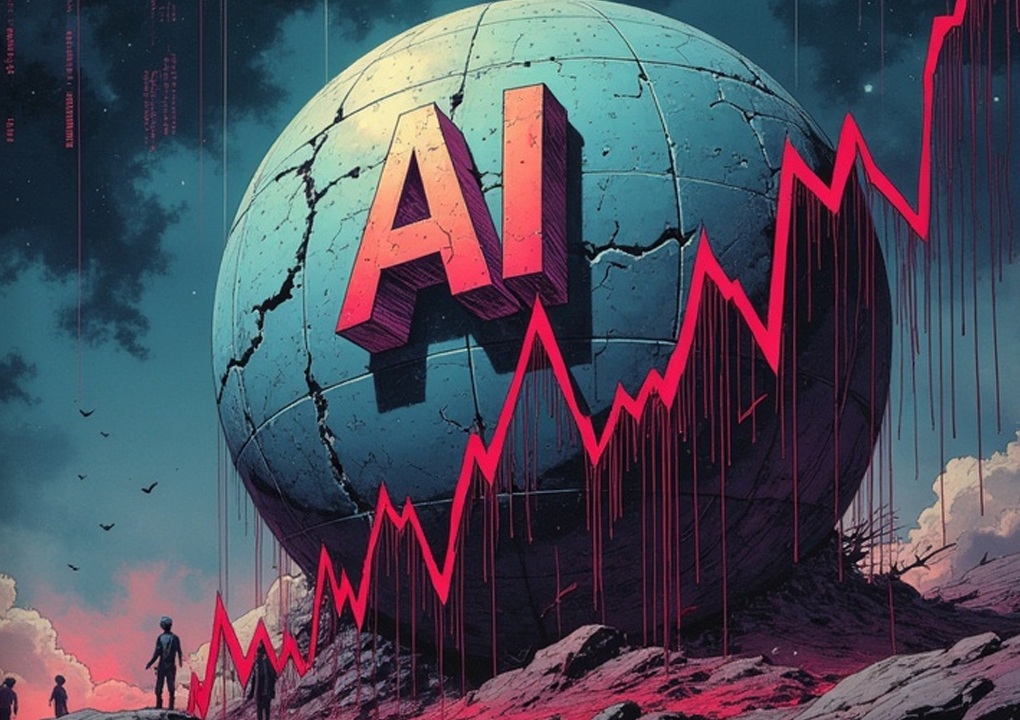
I have spent years steeped in the artificial intelligence industry, and I have come to a conclusion that will sound strange to most people: I want the AI data-center speculative investment bubble to burst. I am rooting for it. Not because I hate AI -- I love AI and use it every single day to build books, illustrate courses, and run research swarms. I want it to burst because the collapse of this speculative frenzy is the fastest path to token abundance for ordinary people.
Token abundance means cheap, local, high-intelligence AI running on hardware you actually own, sitting in your home or office, answering to you and no one else. That is the future I am working toward, and as I have said before, machine intelligence has become an undeniable force in our world [1]. The question is not whether AI arrives, but whether it arrives as a centralized, subscription-based tool of Big Tech, or as a decentralized, locally owned utility that gives power to the people.
The AI investment bubble is what stands between us and that future. It is temporarily making the hardware we need -- GPUs, RAM, storage -- absurdly expensive. It is strangling the consumer market in order to feed the data centers that the big players insist are the only way forward. So yes, I believe the fastest path to consumer access is for this bubble to collapse under its own greed.
The Bubble Is Making Local AI Hardware Absurdly Expensive
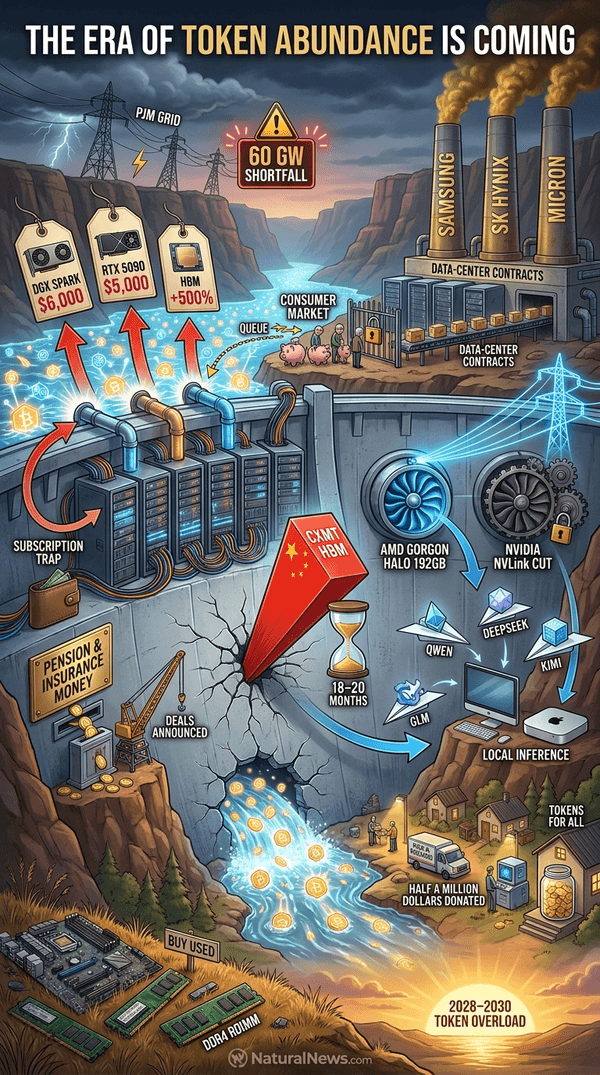
The numbers right now are alarming. The Nvidia DGX Spark jumped from $4,000 to $7,000 practically overnight. The RTX 5090, which was already a splurge at $2,500, is now selling for $6,000. High-bandwidth memory, the specialized RAM that AI accelerators need, is up roughly 500% and heading toward 600-800% increases. Only three companies on the planet -- Samsung, SK Hynix, and Micron -- make most of it, and they are chasing data-center demand with everything they have.
The collateral damage is brutal for regular people. Consumer RAM production has been squeezed as those three memory makers prioritize the far more profitable data-center contracts. I am personally sitting on a stack of old DDR4 RDIMMs that are suddenly valuable, which sounds like a good problem until you realize I now have to hunt for old motherboards on the used market just to build machines (and a lot of the DDR4 RAM is older and slower than would be ideal). The assumption that memory would always get cheaper and faster has been shattered by the bubble.
This is what happens when capital, including pension and insurance money, gets misallocated into risky AI data centers [2]. As I noted in my conversation with Andy Schectman, the Trump administration has announced deals to build data centers and nuclear power plants that will not be operational for years, yet the announcements are treated as immediate realities [2]. Meanwhile, the PJM grid -- America's largest regional power grid -- is scrambling to secure 15 gigawatts of new electricity generation because AI data centers are overwhelming existing grid capacity, with warnings of a potential 60-gigawatt shortfall within a decade [3]. The inflated price you now pay for a stick of RAM is downstream of that madness.
Why the Data-Center Bubble Collapse Is the Best Thing for Consumers
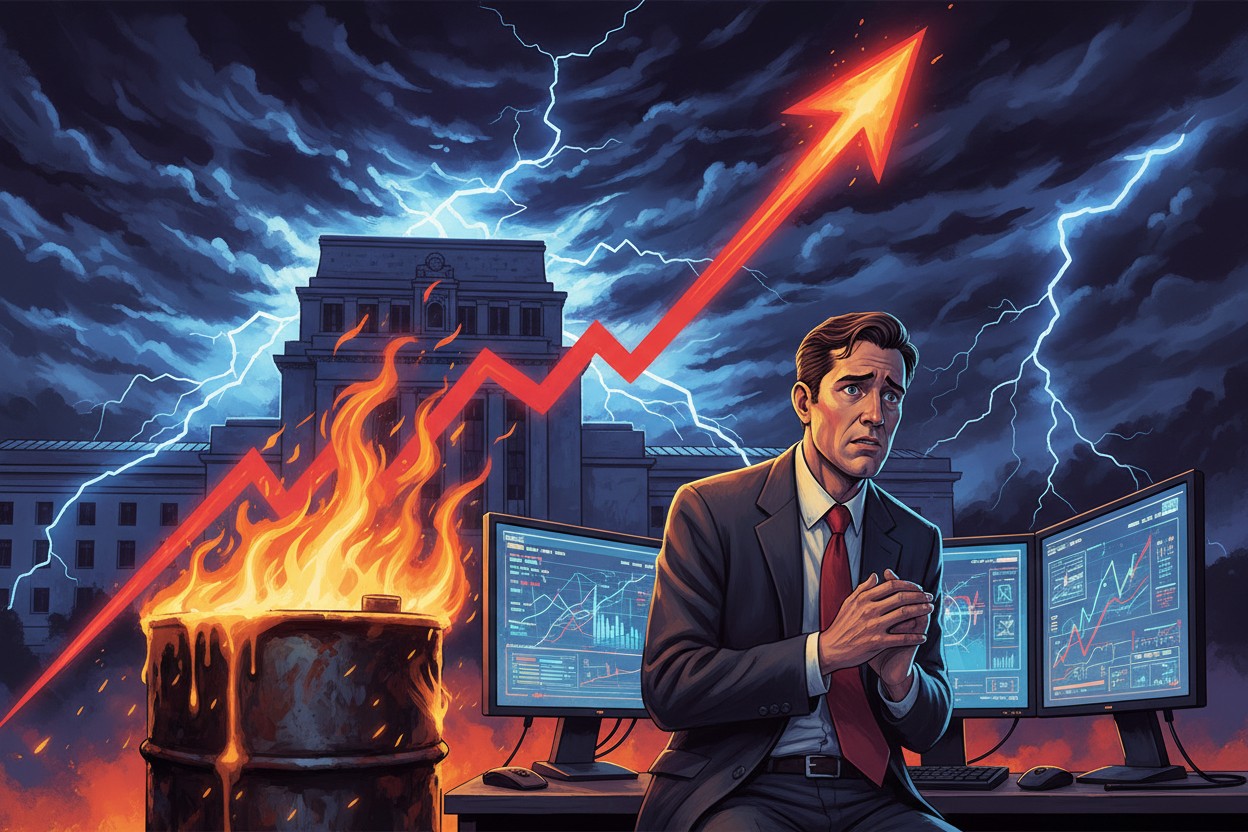
When this bubble pops -- and I believe it will -- there will be a fire sale on GPUs, servers, and memory the likes of which we have never seen. Data centers that were built on debt and hype will be liquidated. HBM demand will collapse, forcing the memory oligopoly to slash prices by 80-90% just to move inventory. The same companies that are squeezing consumers today will be begging for their business tomorrow.
In the meantime, my advice is practical. If you need local AI right now, buy used hardware or smaller GPUs that punch above their weight. Do not panic-buy at bubble prices. Wait for the correction. The discipline required today will pay enormous dividends in 2027 and 2028 when the market is flooded with secondhand enterprise gear that is far more capable than anything you could afford new.
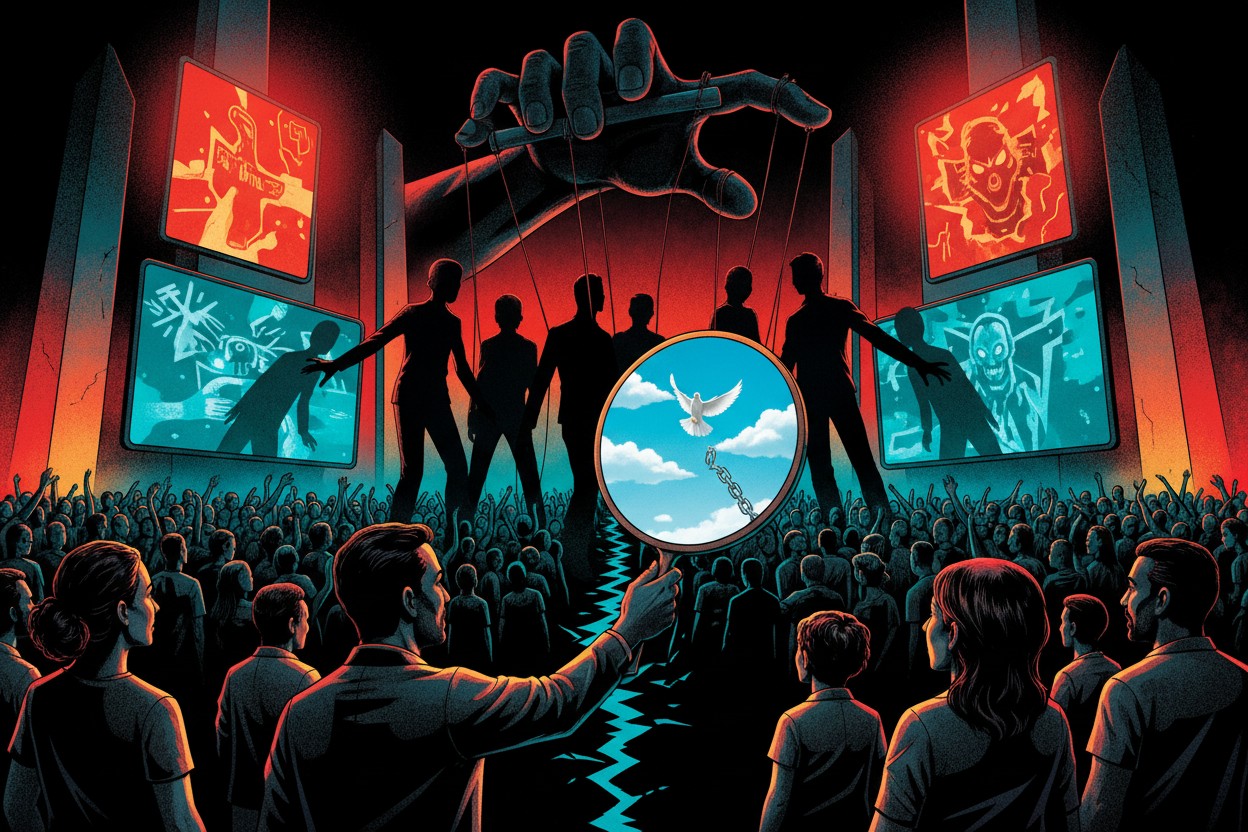
This is also why the collapse is a blow against centralized control. The old power centers -- governments, central banks, corporate media, Big Pharma -- are fighting desperately to maintain their grip, and the chaos we see is the sound of that old system thrashing in its death throes [4]. A data-center crash accelerates the transition to a distributed, decentralized order that reshapes everything we know about money, knowledge, energy and power itself [4]. The AI bubble is not just an economic event; it is a battle in the larger war between centralization and freedom.
The Coming Chinese HBM Flood and the Competition That Will Break Nvidia's Grip
The single biggest factor that will likely break this logjam is Chinese high-bandwidth memory. CXMT, also known as Changshin Technologies, is ramping HBM production, and I expect it to hit the market within 18 to 20 months. Its memory is already good enough that wholesalers are rebranding it and selling it as name-brand product. Once that flood hits, the pricing power of Samsung, SK Hynix, and Micron evaporates.
At the same time, competition on the compute side is heating up. AMD's Gorgon Halo platform with 192GB of unified RAM is a direct challenge to Nvidia's grip on AI inference, and the Strix Halo systems I already use are usable (but not great) local inference machines. As I wrote about the AI war that China is winning, the day Qwen 3.5 broke the rules, the landscape shifted -- free machine cognition is undermining America's virtual economy and the incumbents cannot stop it [5].
What I find genuinely predatory is Nvidia's behavior. Overnight price hikes on consumer cards and a deliberately crippled NVLink on consumer products are anti-consumer moves designed to protect data-center margins. I want AMD, Intel, Google, and even OpenAI to force prices down through real competition. I have watched this pattern before -- just as I reported on how LENR is shifting from mockery to serious investment [6], the AI hardware market is about to shift from scarcity to glut. The incumbents know it, and they are extracting maximum profit before the floor drops out.
From Token Scarcity to Token Overload: Smaller Models, Macs, and the Coming Glut
The models themselves are getting dramatically more efficient. Chinese open-source models like Qwen, GLM, DeepSeek, and Kimi are delivering frontier-level capability in smaller and smaller footprints. This is the quiet revolution: you do not need a $30,000 GPU cluster to run a model that would have required a data center two years ago. An Apple Mac with unified memory is already an outstanding local inference machine, and it is going to get cheaper when HBM floods the market.
Let me put a timeline on my prediction. By the third or fourth quarter of 2028, I expect data-center-class frontier AI to run on a desktop computer that costs a few thousand dollars, not millions. By 2028 to 2030, tokens will become so abundant that we will struggle to use them all. This is the era of token overload, and it is coming faster than almost anyone in the mainstream is willing to admit.
This connects to a larger truth about abundance that I have been talking about for years. One of my core values is compassion, and the Church of Natural Abundance that I founded has donated over half a million dollars in food to victims of disaster [7]. The same principle applies to tokens: when they are abundant, they should be used to lift people up, not to gatekeep access. Imagine having instant access to all the energy you require free of charge, or technology and natural remedies that are freely accessible -- in such an environment, traditional systems of exchange based on scarcity become obsolete [8]. That is the world token abundance points toward.
Learn to Use Tokens Now -- Because Abundance Rewards the Prepared
People who learn to use tokens efficiently today will thrive in the era of token overload. This is not theoretical for me. Local models have already helped me generate over 450 course illustrations for a recent course called "Unbreakable," and they can drive document cleaning and research agents that would have required a team of engineers a few years ago. The skills you build now -- prompt engineering, context management, code creation, agentic harnesses -- compound like interest.
Your role in this new world is to direct machines toward your mission and help others thrive. That is why I built BrightAnswers.ai as an uncensored AI research engine that beats ChatGPT, Gemini, and Microsoft Copilot on real-world questions about health, freedom, and finance [9]. I wanted a tool that answers to the people, not to a corporate board. I also built BrightLearn.ai as a free book library where anyone can generate their own books on any topic, because knowledge should be free and uncensored [10].
Token abundance can become universal abundance if we use it with integrity and wisdom. I believe the future belongs to those who prepare now, who learn the tools, and who refuse to be dependent on centralized systems that would rather rent you intelligence than let you own it. The AI investment bubble will burst. The tokens will flow. And the people who are ready will inherit a world of unprecedented freedom. That is what I am rooting for at every level.
References
- 2026-02-17-BVN-IRAN TRAP vs MACHINE INTELLIGENCE. Bright Videos Network.
- 2025 10 22 BBN Interview with Andy Schectman . Mike Adams.
- PJM Grid Scrambles for 15 GW of Power as AI Data Centers Threaten Reliability. NaturalNews.com. April 13, 2026.
- The Great Decentralization Transition: Why the Old System Is Dying and a New Era of Freedom Is Painfully Emerging. NaturalNews.com. September 22, 2026.
- The AI War China is Winning: How Free Machine Cognition Is Undermining America's Virtual Economy. Mike Adams. NaturalNews.com. February 26, 2026.
- Why Low Energy Nuclear Reactions Will Set Humanity Free And Why It Matters In YOUR Life. Mike Adams. NaturalNews.com. May 29, 2026.
- Brighteon Broadcast News - CIVIL WAR . Mike Adams. Brighteon.com. March 10, 2025.
- Brighteon Broadcast News - SUSIE MUST GO. Mike Adams. Brighteon.com. November 14, 2025.
- Health Ranger Report - BRIGHTANSWERS - Mike Adams. BrightVideos.com. January 05, 2026.
- Bright Videos News - Interview with Marjory Wildcraft. Mike Adams. BrightVideos.com. January 20, 2026.
Explainer Infographic








Please contact us for more information.