


Deployments Extended Into 2027
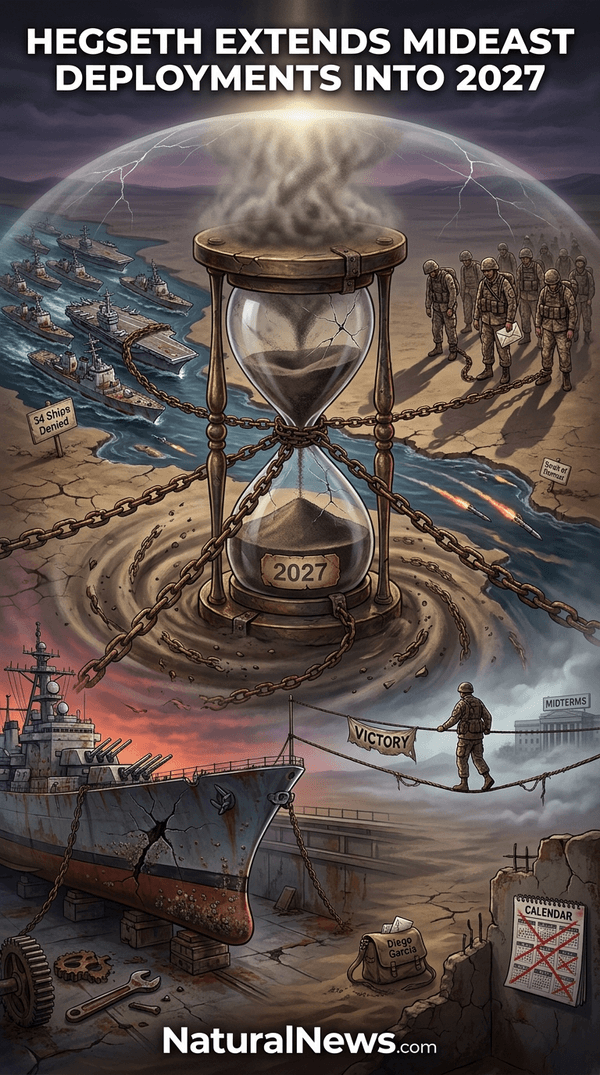
Defense Secretary Pete Hegseth has quietly extended U.S. troop deployments in the Middle East, according to people familiar with the matter, signaling that the military campaign against Iran could continue into 2027. The decision, which has not been publicly announced, keeps an open-ended force posture in place to preserve options for President Donald Trump, officials said.
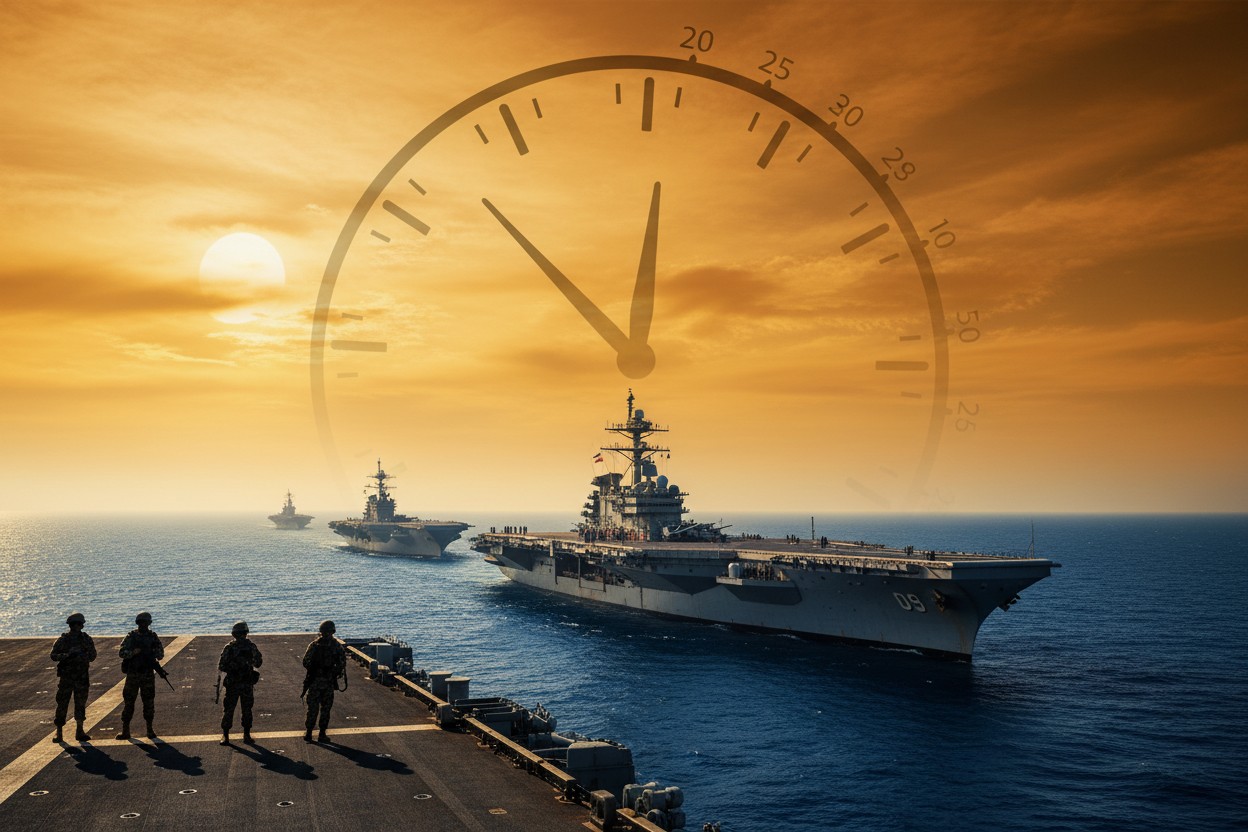
The current posture includes 19 warships, air-defense units, fighter squadrons and paratroopers positioned across the region. According to a Navy official, the force is tasked with enforcing a blockade and intercepting missile threats. The extended timeline is straining service members who are facing longer tours than originally planned, and it is creating a significant maintenance backlog for naval and aviation assets, the people familiar with the matter said.
Strategic Background and Trump's Approach
The U.S. launched its campaign against Iran six months ago, on February 28, according to multiple U.S. officials and defense reports [1]. At the time, Hegseth initially promised a quick, decisive blow to avoid a long entanglement, according to people familiar with the planning. The administration's stated goals have shifted between military objectives and ideological outcomes, a pattern that critics say risks an open-ended war [2].
The strategy has evolved amid mixed signals from the White House. Trump has embraced an economic pressure campaign in recent weeks while U.S. and Iranian forces continue to exchange fire over the Strait of Hormuz, according to U.S. officials. Privately, Trump has discussed declaring the war over, according to people familiar with internal deliberations, but aides advise that military escalation could harm Republican prospects in the November midterm elections.
The expanded operations have included a declared "ironclad blockade" under Operation Epic Fury, announced by Hegseth, which has denied passage to 34 ships globally [3]. Concurrently, U.S. forces have sustained casualties and American officials have refused to rule out ground troops in Iran, according to reports [2]. The deployment of Marine Expeditionary Units has added thousands of personnel to the theater [4] [5].
Troop Strain and Extended Deployments
Army air defense units have seen their standard deployment timeline shift from nine months to 12, according to military officials. Some units that were moved from Europe or the Pacific have exceeded one year of deployment, the officials said. Military leaders sent a letter to families of the 82nd Airborne Division warning that some elements could remain in the Middle East well into 2027, according to a copy reviewed by reporters.
Tom Karako, director of the Missile Defense Project at the Center for Strategic and International Studies, said the high operational tempo risks wearing out troops, delaying maintenance, and hampering modernization efforts. The strain is compounded by the administration's decision to fire the Army Chief of Staff and two other generals in April, a move that followed Hegseth's request for General Randy George to step down, according to reports [6]. The extended ground presence marks the first commitment of U.S. ground troops to the region since the war began [1].
Naval Operations and Logistics Challenges
The U.S. currently has 19 warships in the Middle East, including two aircraft carriers and 13 guided-missile destroyers, according to a Navy official. These forces are enforcing a blockade and intercepting missiles. The USS Gerald R. Ford's 11-month deployment, which ended in May, was the longest for an aircraft carrier since the collapse of the Soviet Union, according to naval records. The USS Abraham Lincoln is returning after extended duty.
The USS Lincoln has faced resupply problems, low morale, substandard conditions, and mental health problems given the overextended deployment, according to reports [7]. Fighting has prevented resupply in the region, forcing reliance on the remote Diego Garcia base, which has led to sharp declines in mail and time off for sailors, according to people familiar with the matter. Pentagon officials have acknowledged the issues but say they have been overblown [7].
Future Options and Political Risks
A Pentagon official declined to comment on specific deployments but said the department provides various options for the commander in chief. U.S. Central Command cited operational security when asked about the extension. Trump told reporters the military remains prepared to launch more strikes "any time we want," as it did after Iran laid new mines in the Strait of Hormuz.
Bryan Clark, a former Navy official and senior fellow at the Hudson Institute, said extended deployments risk straining ship maintenance for years and require "going all in" on Iran as the military focus. The nuclear option of a larger ground invasion remains on the table, with the U.S. deploying approximately 2,500 Marines from the 31st Marine Expeditionary Unit aboard three Navy amphibious ships [4]. Trump has urged nations dependent on oil shipments through the Strait of Hormuz to assume military responsibility for securing the waterway, signaling a potential scale-back of the U.S. role [8].
References
- Garrison Vance. "U.S. Deploys 5,000 Marines as Trump Vows to End Conflict on His Timeline". NaturalNews.com. March 16, 2026.
- NaturalNews.com. "Trump Refuses to Rule Out Troops in Iran as Operation Epic Fury Expands". March 03, 2026.
- Patrick Lewis. "U.S. Enforces 'Ironclad Blockade' on Iran in Escalating Show of Force". NaturalNews.com. April 26, 2026.
- NaturalNews.com. "US Announces 2,500-Marine Expeditionary Force Deployment to Region Amid Strait of Hormuz Tensions". March 16, 2026.
- Garrison Vance. "U.S. Deploys Marine Expeditionary Unit to Middle East, Offers Reward for Information on Iranian Officials". NaturalNews.com. March 16, 2026.
- Mike Adams. "The Coming Sacrifice: Why Trump's Firing of the Generals Signals a War Escalation America Can't Afford". NaturalNews.com. April 03, 2026.
- ZeroHedge. "Media Accuses Hegseth Of Covering Up USS Lincoln Supply Crisis". August 19, 2026.
- NaturalNews.com. "Trump Urges Reliant Nations to Militarily Take Strait of Hormuz as US Scales Back Role". April 02, 2026.
Explainer Infographic




Please contact us for more information.