


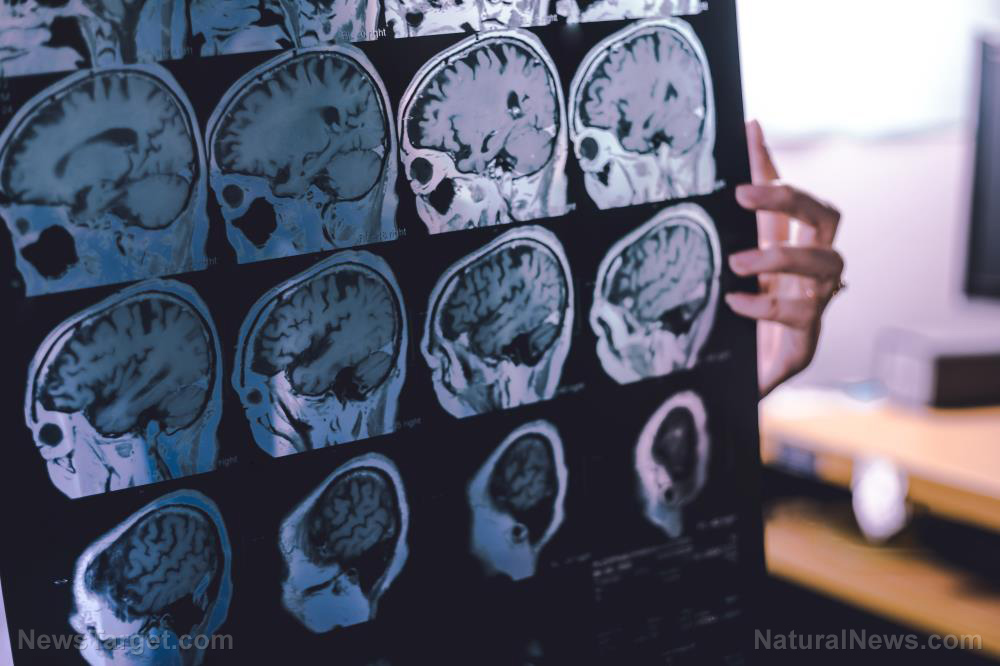
- Excess iron accumulation in the brain triggers oxidative stress that destroys neurons and accelerates Alzheimer's disease, with people who have Down syndrome showing twice the brain iron levels.
- Tiny, undetected brain bleeds called microbleeds leak iron-rich compounds into brain tissue, fueling long-term inflammation and cellular breakdown.
- Key protective enzymes that repair brain cell damage are reduced by up to 70% in affected areas, while glutathione production drops by 60%.
- Research suggests ferroptosis—cell death caused by iron overload—destroys microglia cells, the brain's immune system, worsening cognitive decline.
- Testing ferritin and GGT levels, donating blood, balancing copper intake, eliminating vegetable oils and boosting glutathione can help reduce iron-driven brain damage.
For decades, medical science has focused on sticky protein plaques as the primary cause of Alzheimer's disease. But emerging research points to a more common culprit: excess iron accumulating in the brain.
When iron becomes dangerous
Iron is essential for oxygen transport and cellular function. However, as we age, iron deposits build up in brain tissue, triggering oxidative stress and cell death that may begin years before memory symptoms appear.
A study in Alzheimer's & Dementia examined brain tissue from healthy adults, Alzheimer's patients and individuals with both Down syndrome and Alzheimer's. People with Down syndrome who developed Alzheimer's had roughly twice as much iron in memory-related brain regions compared to those with Alzheimer's alone. They also showed far higher levels of lipid peroxidation—a process where iron reacts with fats, breaking down cell membranes.
Natural defenses were crippled. Enzymes that repair brain cell membranes were reduced by up to 70%, and glutathione—the brain's master antioxidant—wasn't being produced properly, with key enzymes dropping by 60%.
The hidden source
Where does excess iron come from? Tiny, often undetected brain bleeds called microbleeds. When blood vessels leak microscopically, blood breaks down and releases iron-rich compounds that accumulate over time.
High blood pressure, diabetes and other conditions that weaken blood vessels increase microbleed frequency, potentially setting the stage for iron accumulation years before cognitive decline appears.
A new understanding of cell death
Research from Oregon Health & Science University, published in Annals of Neurology, identified that a specific form of cell death called ferroptosis—triggered by excess iron—destroys microglia, the brain's immune cells. When myelin breaks down, microglia clean up the iron-laden mess and die in the process, creating a vicious cycle of debris accumulation and cognitive decline.
Why this matters now
For over twenty years, the dominant Alzheimer's theory centered on amyloid-beta plaques. Billions of dollars targeting these proteins have yielded disappointing results. The iron hypothesis isn't new—researchers noted iron accumulation decades ago—but modern tools now allow scientists to trace precise mechanisms.
With 5.3 million Americans living with Alzheimer's and projections reaching 15 million by 2050, the need for effective prevention is urgent. Unlike genetic risk factors, iron levels are modifiable.
Practical steps
Testing ferritin levels is the starting point, with ideal ranges between 60 and 75 ng/mL. For those with high iron, donating blood two to four times yearly can safely lower levels. Dietary changes matter: Eliminating vegetable oils high in polyunsaturated fats and replacing them with stable fats like grass-fed butter and coconut oil reduces oxidative stress. Sulfur-rich foods like garlic and onions boost glutathione, the brain's natural antioxidant.
Alzheimer's does not begin with forgetfulness. It begins with cellular destruction that may start decades before symptoms appear. The evidence linking iron overload to that destruction offers hope precisely because it points to factors within our control. Regular testing, thoughtful nutrition and attention to vascular health represent a shift from reactive treatment to proactive prevention. The science is clear: what accumulates in the body over a lifetime—including iron—may determine whether the mind stays sharp or succumbs to disease.
Sources for this article include:






Please contact us for more information.