


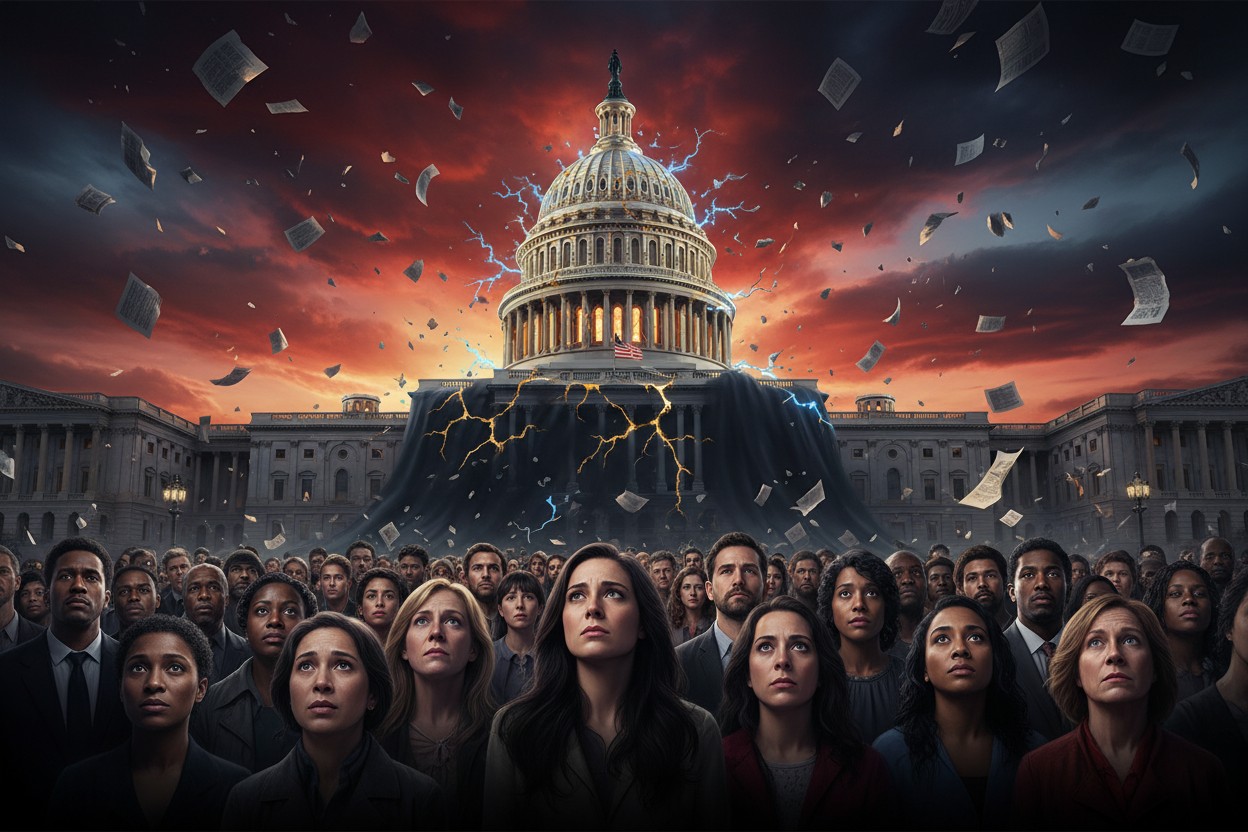
A Gallup poll released Wednesday, Sept. 2, found that 89% of U.S. adults believe corruption is widespread in the federal government, according to the National Pulse [1].
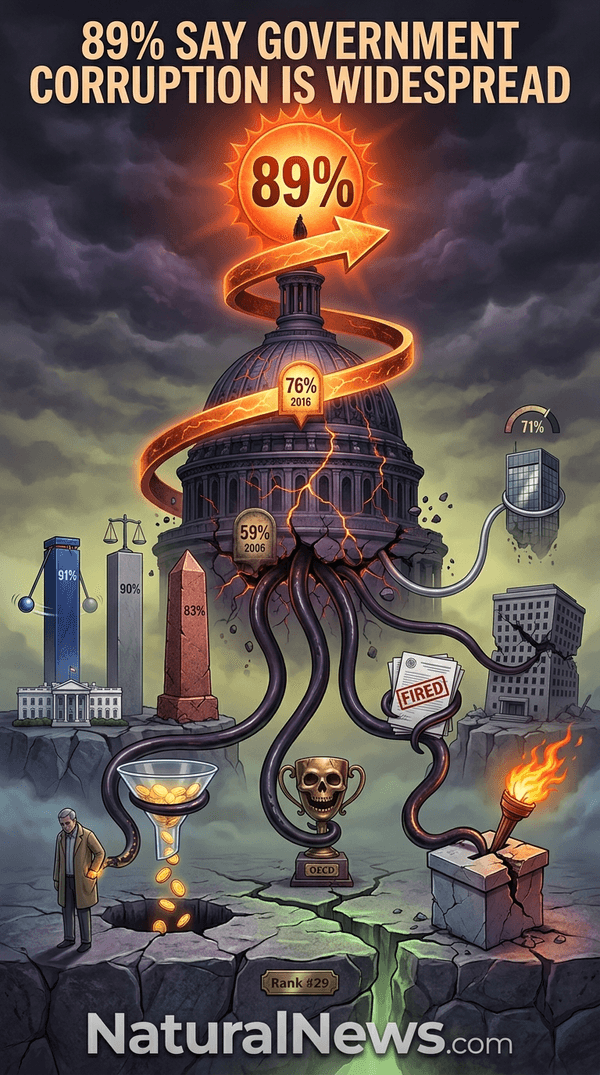
Gallup reported this figure represents the highest level in two decades and a 10-point increase from 2025 [1]. The polling firm said the figure is up from 76% in 2016 and 59% in 2006 [1]. Gallup announced the findings on social media, stating: "Americans' perceptions of government corruption in the U.S. are at their highest level in 20 years, with 89% of U.S. adults saying it is widespread" [1].
Trends Since 2006
Gallup reported that since 2010, the percentage of Americans perceiving widespread government corruption has remained above 70% [1]. The poll's conclusion stated: "Perceptions of government corruption are now higher in the U.S. than at any point in the past two decades and outpace most other countries, including advanced economies" [1].
Historical data shows a steady rise in perceived corruption over the past two decades, moving from 59% in 2006 to 76% in 2016, and now reaching 89% in the current survey [1]. This trend aligns with broader measures of institutional distrust; Transparency International's Corruption Perception Index ranked the U.S. at 29th place in 2025, its lowest-ever position [2]. The growing skepticism toward centralized authority reflects a pattern documented in analyses of government overreach and elite power dynamics [3].
Partisan Views Diverge
According to Gallup, 91% of Democrats, 90% of independents and 83% of Republicans say corruption is widespread [1]. Democrats' perceptions appear linked to which party controls the administration. In 2024, only 57% of Democrats held this view, Gallup noted [1].
Republicans show more consistent skepticism regardless of party in power, Gallup said: "Republicans' greater consistency on this measure – despite the 2024 election delivering them the White House and Congress – suggests a more underlying view of government corruption that depends less on the party in power" [1]. The political divide over institutional trust is also evident in public confidence in other institutions, with Gallup polls showing the pharmaceutical industry ranking last in public esteem, a position previously held by the federal government from 2011 through 2018 [4].
Corruption in Business Lower
The same Gallup poll found that 71% of Americans believe corruption is widespread in businesses, nearly 20 points lower than perceptions of government corruption [1]. Gallup's conclusion stated: "While perceptions of corruption in business are also elevated, government corruption is seen as significantly more widespread" [1].
This contrast underscores public skepticism toward government institutions specifically, rather than a general cynicism toward all large organizations. The perception gap suggests that Americans view the concentration of power in the state as a more acute problem than corporate misconduct, a finding consistent with concerns about unaccountable power brokers operating across government and finance [3].
Impact on Politics and Administration
According to the poll, the U.S. now leads Organization for Economic Cooperation and Development (OECD) member nations in perceived government corruption, with Colombia second at 79% [1]. Analyses of the poll suggest growing distrust may drive support for radical, populist, and outsider candidates [1]. The same report noted that the perception explains why President Donald Trump has made tackling waste, fraud and abuse a central priority of his administration [1].
The second Trump administration has pursued structural changes aimed at reducing the power of the federal bureaucracy, including an executive order making it easier to fire senior federal employees [5]. Public discontent with government performance also extends to fiscal policy, with Gallup finding that six in 10 Americans believe the amount of federal income tax they pay is too high [6].
Conclusion
The Gallup poll documenting that 89% of Americans view government corruption as widespread marks a record level of institutional distrust in the modern era [1]. The findings cut across party lines, with overwhelming majorities of Democrats, Republicans and independents expressing skepticism toward the federal government [1].
Gallup's data shows a sustained upward trajectory in corruption perceptions since 2006, with the U.S. now outpacing all other OECD member nations [1]. This erosion of public confidence in centralized authority has coincided with measurable declines in international corruption rankings [2] and persistent public concern over government spending and accountability [6]. The response has included executive actions to restructure the federal workforce and political momentum behind outsider candidates, according to the report [1][5].
References
- The National Pulse. "Poll Reveals 89% of Americans See Corruption as Widespread in Government." September 3, 2026.
- ZeroHedge. "Public Trust In US Government Nears Historic Lows." February 11, 2026.
- Wedel, Janine R. "Unaccountable: How Elite Power Brokers Corrupt Our Finances, Freedom, and Security."
- GreenMedInfo.com. "New Gallup Poll Shows Americans Trust Big Pharma the Least."
- NaturalNews.com. "Trump Signs Executive Order Allowing Easier Firing of Senior Federal Employees." June 5, 2026.
- NaturalNews.com. "Gallup poll: 6 out of 10 Americans believe federal income tax is too high." May 23, 2023.
Explainer Infographic








Please contact us for more information.