


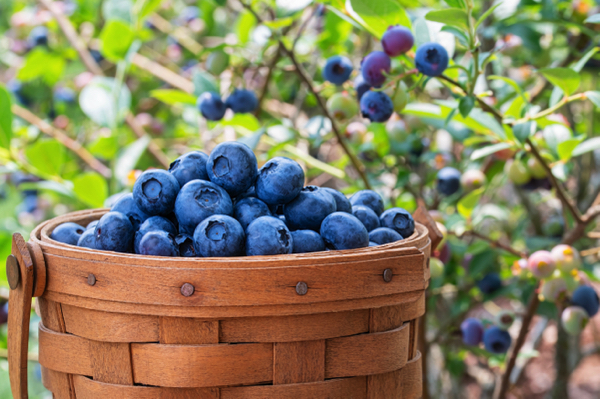
- Blueberry consumption improves episodic memory in older adults with cognitive decline, according to a review of nine clinical trials.
- Anthocyanins in blueberries cross the blood-brain barrier to reduce inflammation and support memory-related brain function.
- Cognitive benefits typically appear after eight weeks or more of consistent daily half-cup servings, fresh or frozen.
- Observational studies link regular blueberry intake to cognitive aging delayed by up to 2.5 years and lower dementia risk.
- Daily blueberry habits outperform expensive supplements, with frozen organic wild varieties offering the highest benefits.
New research combining nine randomized controlled trials finds that regular blueberry consumption improves episodic memory in older adults with cognitive decline, with scientists pointing to anthocyanins as the key mechanism.
Researchers analyzed data from 513 older adults across nine clinical trials, all of whom had some degree of prior cognitive decline ranging from subjective memory complaints to diagnosed mild cognitive impairment. The review, conducted after searching three major scientific databases for qualifying studies, found that blueberry intake produced statistically significant improvements in episodic memory — the type responsible for recalling specific events and experiences. Among participants with mild cognitive impairment, language-related memory also showed measurable improvement.
How the compound reaches the brain
Blueberries owe much of their effect to anthocyanins, the deep-blue plant pigments concentrated in the fruit's skin. Unlike most dietary compounds, anthocyanins are able to cross the blood-brain barrier, the protective filter that keeps the majority of substances circulating in the blood from reaching brain tissue directly.
Once past that barrier, the compounds appear to work on several fronts at once: calming inflammation, supporting communication between neurons involved in memory formation, and boosting blood flow to memory-related brain regions. Researchers note that this kind of consistency across differently designed trials is what makes a finding worth taking seriously rather than dismissing as a fluke of one study.
Cardiovascular and metabolic benefits also documented
The same anthocyanins studied for memory have shown up repeatedly in cardiovascular research as well. Separate trials link those compounds to healthier blood pressure, improved blood vessel function, and better blood sugar regulation. Researchers note that a blood vessel functioning better throughout the body likely functions better inside the brain as well.
The findings align with earlier observational research. A 2012 study from the Nurses' Health Study involving 16,010 women ages 70 and older found that those who ate at least one weekly serving of blueberries or two weekly servings of strawberries showed cognitive aging delayed by up to 2.5 years compared with peers who rarely ate the fruits. A separate 2020 study of 2,800 dementia-free adults with an average age of 59 found that those in the highest flavonoid-intake group were about 40 percent less likely to develop dementia over 20 years than those in the lowest group.
What the research suggests for daily habits
Trial data show that memory benefits typically took eight weeks or more of consistent intake to appear, with some studies running past six months — suggesting a daily half-cup of blueberries, fresh or frozen, matters more than an occasional large serving. Frozen organic blueberries retain very similar antioxidant levels to fresh ones and cost less throughout the year.
Wild blueberries tend to contain higher anthocyanin levels than conventionally farmed varieties, and organic choices reduce pesticide exposure, which researchers note is gentler on a body that is already managing inflammation.
None of this means a bowl of blueberries can undo a poor diet or replace medical care for cognitive decline. But it's a rare case where the cheapest, least processed option — real food, eaten consistently — outperforms what pharmaceutical companies have spent billions trying to bottle into a pill. For adults who currently eat no berries, researchers and observational data alike identify that as the single most correctable habit in the equation.
Sources for this article include:






Please contact us for more information.