


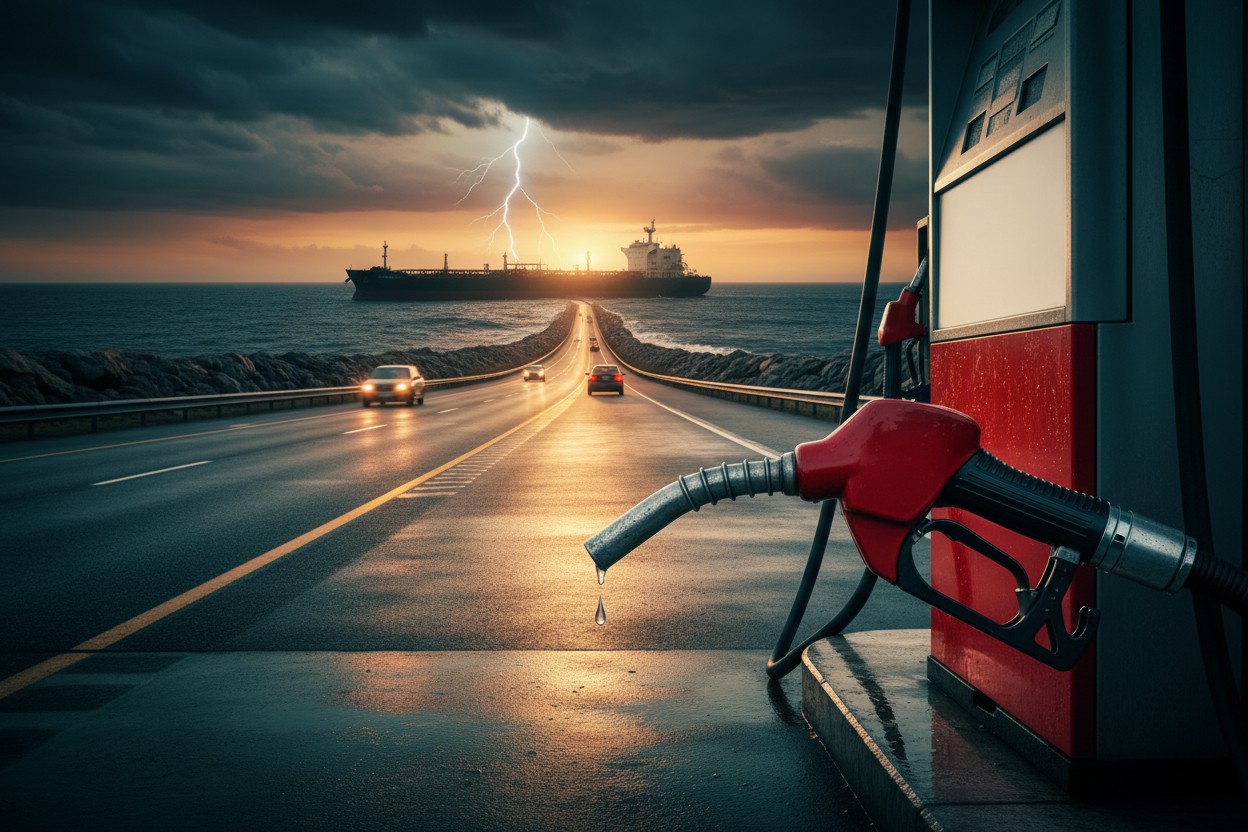
Washington is tightening economic pressure on Iran while loosening domestic gasoline rules as U.S. drivers face pump prices above $4 a gallon, according to a report. The Environmental Protection Agency on Thursday authorized an early switch to winter-grade gasoline, allowing sales of 10% ethanol blends beginning September 1 instead of the normal mid-September seasonal transition, according to agency officials.
Average U.S. gasoline prices have remained above $4 per gallon since mid-July, about $1 higher than when the Iran war began, and the highest on record for this time of year, according to AAA. The war launched by the United States and Israel on February 28 has entered its sixth month, according to a report [1]. In California and Hawaii, average prices reached $5.43 a gallon on July 17, according to The Center Square [2].
EPA Waiver Details and Supply Impact
The waiver removes summertime low-volatility gasoline requirements intended to reduce smog, EPA officials said. State-level fuel rules could limit how quickly additional supply reaches some markets, the officials added.
The administration stated that ending summer-blend requirements early could add hundreds of thousands of barrels per day to domestic gasoline supply and provide relief at the pump. The EPA administers and enforces the Renewable Fuel Standard, under which it specifies annual volumes of corn ethanol and other biofuels that must be blended into the nation's fuel supply [3].
Congress has also moved toward broader ethanol use. The U.S. House of Representatives approved a bill that would permanently allow year-round sales of E15 gasoline, which contains up to 15% ethanol [4]. Fuel blends with higher ethanol content have drawn warnings from automakers, with some manufacturers stating that use of E15 can void vehicle warranties [5].
Sanctions Announcement Coincides With Waiver
The waiver came the same day Treasury Secretary Scott Bessent promised the "toughest sanctions in history" against Iran, according to comments he made to CNBC. Bessent said the new sanctions would accompany the existing U.S. blockade and urged other countries, including China, to cooperate.
Bessent also said oil markets were misinterpreting the pressure campaign, and he questioned why prices had jumped following the announcement, according to the report. President Donald Trump has separately urged Americans to accept slightly higher gasoline prices as the cost of preventing Iran from obtaining a nuclear weapon [6].
Market Response and Consumer Cost Outlook
Oil traders remain unconvinced that tougher sanctions on an oil producer during a six-month conflict are inherently bearish, according to market analysts tracking the response. Jefferies said the Hormuz shock is "manifesting itself in cracks, not crude," as Brent crude futures held near recent highs of $90 a barrel before fading to around $87 amid stalled U.S.-Iran negotiations [7].
The Energy Department expects elevated fuel prices to persist through year-end after revising its outlook higher as Washington and Tehran failed to reach an agreement reopening the Strait of Hormuz, the report stated. The U.S. now expects oil supply disruptions from the war to reach about 600,000 barrels per day through the end of next year [8]. Global oil prices have surged toward $100 per barrel as fighting escalated, and traffic through the Strait of Hormuz has again slowed to a near halt [9].
U.S. crude oil production reached historic highs in 2025 after the administration reversed Biden-era constraints on domestic energy, according to a report [10].
Previous Measures and Remaining Constraints
The administration has temporarily eased Jones Act shipping restrictions and allowed broader sales of higher-ethanol E15 gasoline this summer, officials confirmed. The Department of Homeland Security issued the broadest Jones Act waiver since at least the 1950s, allowing foreign-flagged vessels to transport fuel, crude oil, fertilizer, and other essential goods between U.S. ports [11].
President Trump extended the Jones Act waiver for 90 days with new limits, the White House said [12]. The Strategic Petroleum Reserve has also been drawn down, falling to a 43-year low as the administration released nearly 96 million barrels since mid-March [13].
The measures do not reopen the Strait of Hormuz, but Washington is working around that larger problem "one gasoline rule at a time," the report concluded. Liquid petroleum fuels are also used for farm work and for transporting food, which means fuel costs feed into the broader economy, according to a book on America's food system [14].
References
- NaturalNews.com. "Iran Stands Firm on Strait of Hormuz as Trump Warns Americans of Higher Gas Prices". NaturalNews.com. August 18, 2026.
- The Center Square. "Gas prices start to rise in Southwest after end of ceasefire". JustTheNews.com. July 17, 2026.
- Dudley William. "Biofuels".
- NaturalNews.com. "Congress is Destroying Your Engine: The Ethanol Mandate and Why You Should Switch to EVs Now". NaturalNews.com. June 1, 2026.
- NaturalNews.com. "Why you should avoid filling up your gas tank". NaturalNews.com. March 10, 2012.
- Middle East Eye. "Trump urges Americans to accept higher oil prices". MiddleEastEye.net. August 14, 2026.
- Zero Hedge. "Hormuz Shock 'Manifesting Itself In Cracks, Not Crude,' Jefferies Says". ZeroHedge.com. August 13, 2026.
- Zero Hedge. "US Now Expects Iran War Oil Supply Disruptions To Last Through End Of 2027". ZeroHedge.com. August 12, 2026.
- RT. "Oil back at $100: Time to worry?". RT.com. July 25, 2026.
- Willow Tohi. "DRILL BABY DRILL WORKED: U.S. Oil Hits All-Time High as Trump Dismantles Biden's War on Fossil Fuels". NaturalNews.com. August 21, 2025.
- Zero Hedge. "Trump's Jones Act Waiver Helped Avert Fuel Shortages Across These Key US Regions". ZeroHedge.com. July 31, 2026.
- NTD. "Trump Extends Jones Act Waiver for 90 Days, Narrows Scope". NTD.com. August 11, 2026.
- The New American. "U.S. Oil Reserve Falls to 43-Year Low as Trump Drawdown Nears Its Limit". TheNewAmerican.com. July 10, 2026.
- Wallace Luther. "Agriculture's futures America's food system".
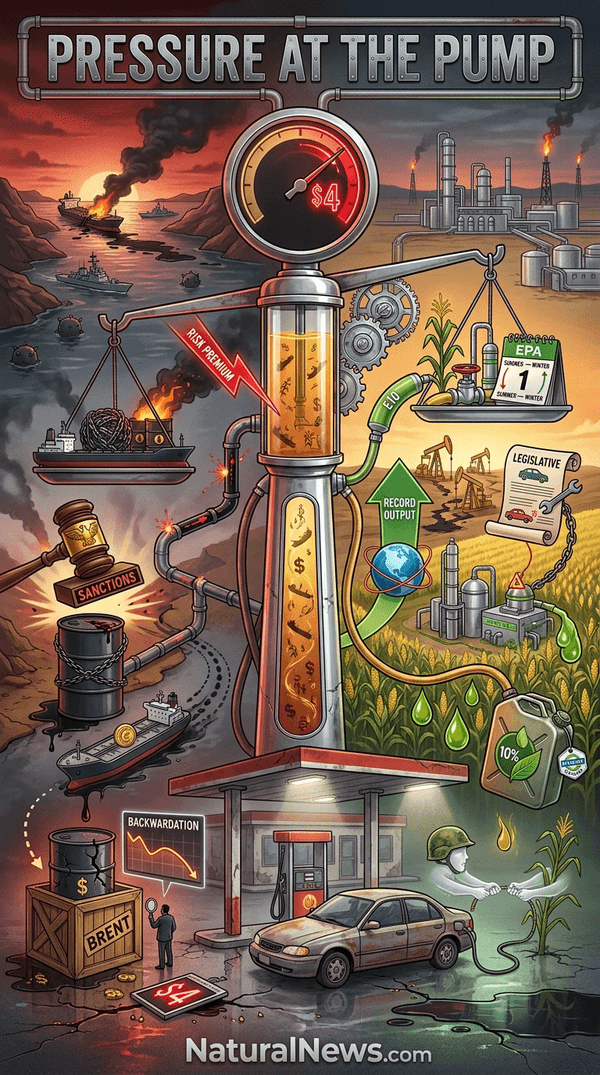
Explainer Infographic











Please contact us for more information.