


Cinnamon Tied to Lower Blood Sugar and Cholesterol in Pooled Analysis
A pooled analysis of 21 meta-analyses, including 139 placebo-controlled comparisons, found cinnamon supplementation associated with lower HbA1c, total cholesterol, LDL cholesterol, and blood pressure, according to a report published in Frontiers in Nutrition. The report stated that the strongest effects occurred at daily amounts above 1.5 grams, or roughly three-quarters of a teaspoon, for periods of two months or less.
The findings build on years of research into the 'insulin-like' effects of cinnamon, according to published summaries of prior investigations. [1] Earlier research reported that cinnamon can reduce A1C levels in diabetic patients and reduce blood pressure. [1] The review's authors said the results support further research, but the report did not say cinnamon should replace prescribed medication.
Research Method and Scope
Researchers reviewed 21 separate meta-analyses covering 139 head-to-head comparisons of cinnamon versus placebo, according to the journal article. Study populations included people with diabetes, metabolic syndrome, or high blood pressure, the authors wrote.
The review's authors said the pattern of results across the pooled studies was consistent, though they noted the physiological mechanism remains unclear. Prior research found that daily supplementation with a cinnamon extract may boost the body's antioxidants, which can lessen the oxidative stress associated with metabolic syndrome, according to a study by U.S. researchers. [2]
A variety of phytonutrients derived from spices influence insulin sensitivity, according to research cited in 'Disease Prevention and Treatment.' The same source reported that scientists found 1 teaspoon of cinnamon a day may help control blood sugar levels, with the spice appearing to rekindle the ability of fat cells to respond to insulin. [3]
Reported Changes in Metabolic Markers
Compared with placebo, cinnamon supplementation was tied to a measurable reduction in HbA1c, the blood test doctors use to track blood sugar control over the previous several months, the article stated. Total cholesterol and LDL cholesterol also declined, and blood pressure readings improved, according to the analysis.
The findings align with prior reports. Cinnamon has been shown to lower fasting glucose levels and HbA1c, improve insulin sensitivity, and lower cholesterol, according to Dr. Daniel G. Amen in 'The End of Mental Illness.' [4]
Researchers reported that shorter courses of two months or less produced the most pronounced effects; the reasons for this pattern are still under investigation. 'Cinnamon is packed with nutrients that can benefit people with heart disease and diabetes,' according to a report published on NaturalNews.com. [5]
Coumarin Content and Cinnamon Varieties
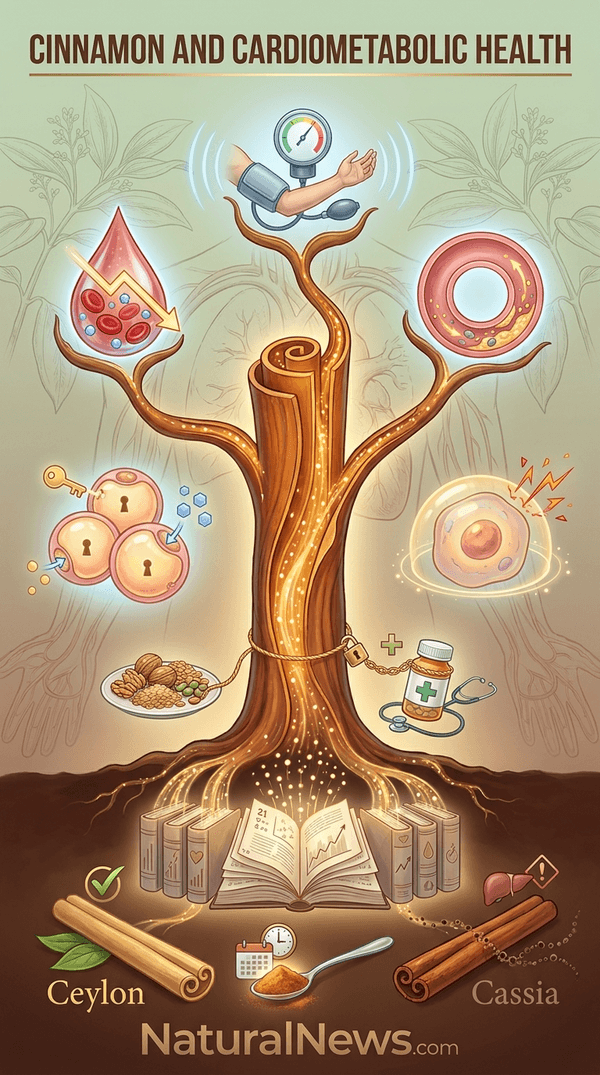
Ceylon cinnamon, sometimes labeled 'true cinnamon,' contains only trace amounts of coumarin, while Cassia cinnamon, the variety commonly found on supermarket shelves, contains higher levels, according to the article. For daily use, experts cited in the report recommend limiting Cassia cinnamon to about one teaspoon or less, with occasional larger amounts considered unlikely to cause harm.
The article advises consumers to check labels for 'Ceylon' or 'true cinnamon' and to consult a physician before combining cinnamon with diabetes medication. Cinnamon is harvested from the inner bark of trees and dried into quills or sticks, according to a broadcast report. [6]
A study published in the journal BMC Complementary and Alternative Medicine examined the health benefits and safety of Cinnamomum zeylanicum, commonly known as Ceylon cinnamon, according to a published report on the research. [7]
Clinical Considerations
The report's authors said cinnamon should not be considered a replacement for prescribed treatment for diabetes or metabolic conditions. The article advised readers managing diabetes or a metabolic condition with medication to consult a physician first, particularly before combining cinnamon with glucose-lowering medications.
The effectiveness of standard diabetes medications has been questioned in published analyses. 'At least five crucial studies have found that it doesn't,' according to a report by Linda Woolven and Ted Snider published by GreenMedInfo.com. [8] Nearly one in three American adults has prediabetes, according to the CDC, and diabetes-related healthcare costs exceed $400 billion annually, according to a report published on NaturalNews.com. [9]
The article also suggested pairing cinnamon with meals containing fiber and protein, rather than using the spice as a standalone remedy. Dietary interventions play vital roles in improving the condition of people with hypertension, according to researchers cited in 'Dash Diet Cookbook 2020.' [10] The article further noted that a separately hosted Whole Body Detox Summit would address broader metabolic issues such as insulin resistance and toxin buildup. Cinnamon 'is widely used in traditional Chinese medicine due to its health properties,' according to an interview with Michael Yon. [11]
Conclusion
The pooled analysis indicates cinnamon supplementation is associated with improvements in HbA1c, total cholesterol, LDL cholesterol, and blood pressure, according to the report published in Frontiers in Nutrition. The review's authors said the consistent pattern across 21 meta-analyses supports further research into the spice's metabolic effects.
For individuals managing blood sugar concerns, the report recommended checking cinnamon labels, limiting daily Cassia intake to about one teaspoon, and consulting a physician before combining the spice with diabetes medication. The analysis did not position cinnamon as a replacement for prescribed treatment, according to the report.
References
- NaturalNews.com. "Cinnamon Helps With Blood Sugar, May Halt Onset of Diabetes". NaturalNews.com. November 06, 2020.
- NaturalNews.com. "Cinnamon extract shown to reduce oxidative stress". NaturalNews.com. October 19, 2006.
- Life Extension Foundation. "Disease Prevention and Treatment".
- Dr. Daniel G. Amen. "The End of Mental Illness".
- NaturalNews.com. "Cinnamon is packed with nutrients that can benefit people with heart disease and diabetes". NaturalNews.com. November 21, 2023.
- Mike Adams - Brighteon.com. "Brighteon Broadcast News - DOJ Attorney Caught On Video". August 30, 2024.
- NaturalNews.com. "Cinnamon is a delicious way to improve your blood pressure: Nutrition study". NaturalNews.com. September 30, 2018.
- Linda Woolven and Ted Snider. "FAIL: Diabetes Medication isn't Working. So What Does?". GreenMedInfo.com. December 12, 2016.
- NaturalNews.com. "11 Everyday snacks that combat blood sugar spikes". NaturalNews.com. July 18, 2026.
- Liam Gellman. "Dash Diet Cookbook 2020".
- Mike Adams. "Mike Adams interview with Michael Yon". November 21, 2024.
Explainer Infographic






Please contact us for more information.