


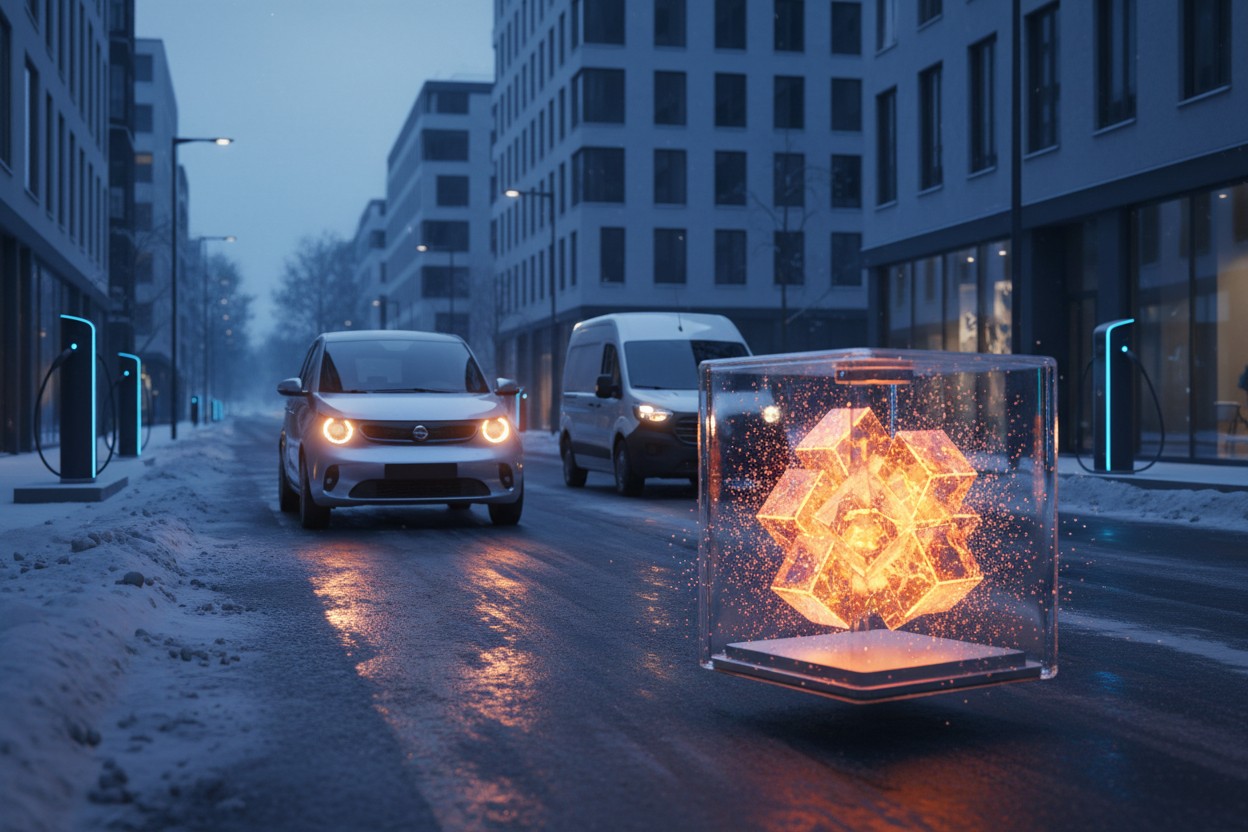
Sodium-ion batteries are gaining attention in 2026 because they can lower costs for city electric vehicles (EVs), improve winter driving, and support backup power systems, according to a report published Aug. 6 by SodiumBatteryHub. The report said the chemistry uses sodium, which is abundant and widely available worldwide, allowing manufacturers to build batteries with a supply chain that is broader and less concentrated than many existing options [1].
The report stated that Contemporary Amperex Technology Co. Limited (CATL) is introducing updated sodium-ion cells while automakers are studying future EV applications. Lithium-ion batteries still lead the electric vehicle market. However, sodium-ion batteries are moving from research labs into commercial use [1].
In the municipal vehicle segment, the report said urban drivers often travel shorter distances and recharge frequently, making affordability, durability, and reliability more important than maximum range [1].
Cost and Supply Chain Advantages
Sodium is abundant and widely available globally, allowing battery makers to diversify sourcing and reduce pressure on a narrow group of mining and refining centers, according to the report [1].
A May 2023 article in NaturalNews.com reported that sodium sells for one to three percent of the price of lithium and is chemically very similar [2]. The report said sodium-ion batteries can reduce upfront costs for smaller electric cars, buses, delivery vans, forklifts, and two- and three-wheelers [1].
Industry evidence of commercial momentum has accumulated in 2026. A July 31 report from SodiumBatteryHub said China is mass-producing EVs with sodium-ion batteries, moving the technology from research labs to factory lines [3]. The article said automakers are building more electric cars with widely available materials and reducing reliance on critical minerals used in lithium-ion cells [3].
A separate article in NaturalNews.com, published April 24, reported that CATL has unveiled its next-generation sodium-ion battery as Western nations work to keep pace with China in EV manufacturing [4].
Cold Weather Performance
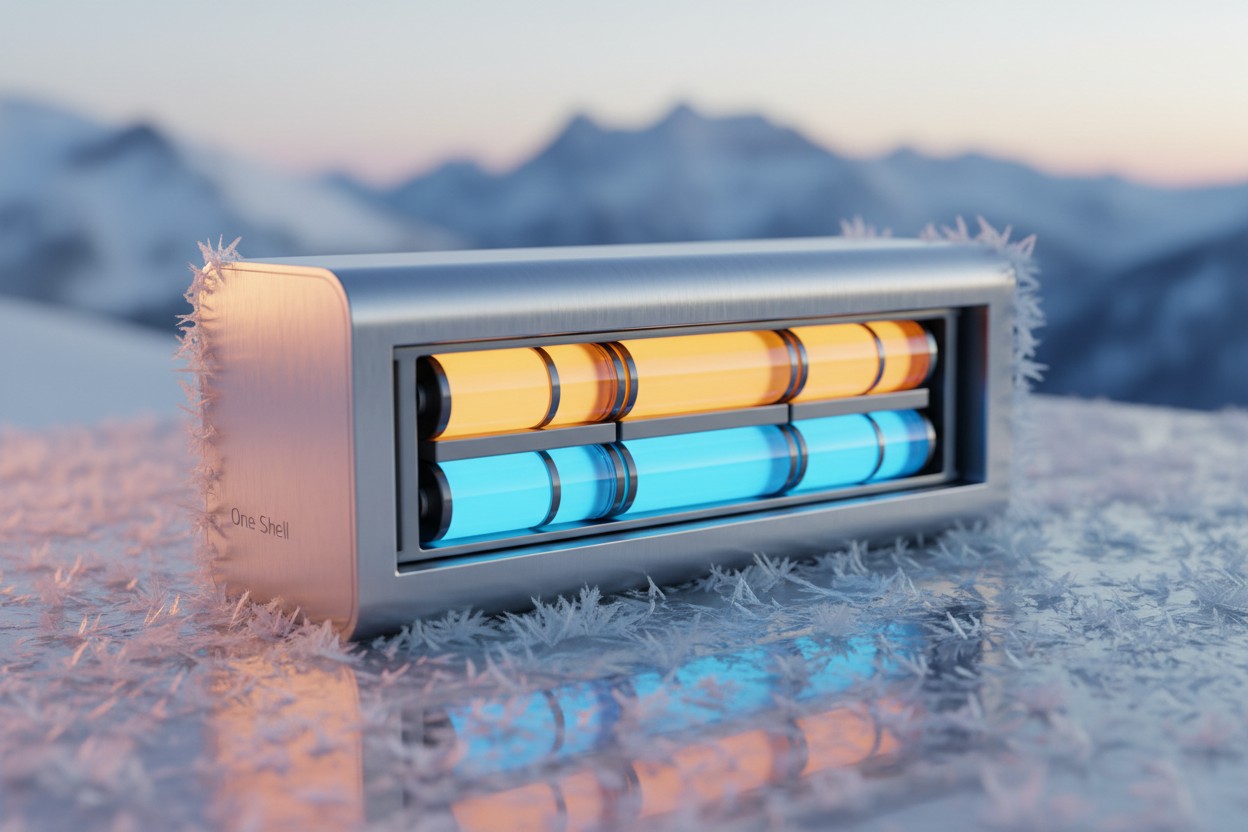
Sodium-ion cells generally handle low temperatures better than many battery systems. Winter conditions often reduce charging speed and driving performance in battery-powered vehicles, but sodium-ion batteries can keep vehicles operating more consistently during cold months [1].
The cold-weather claim is corroborated by reporting on the chemistry. An October 2025 article on NaturalNews.com reported that sodium-ion batteries, driven by innovations from CATL, offer exceptional longevity and superior performance in extreme temperatures [5].
A May 2026 BrightVideos.com video reported that some sodium-ion home storage cells operate efficiently between minus 40 C and 140 F [6].
SodiumBatteryHub.com report said transit agencies, delivery fleets, and drivers in colder regions could benefit from improved winter operation [1].
Backup Power and Hybrid Applications
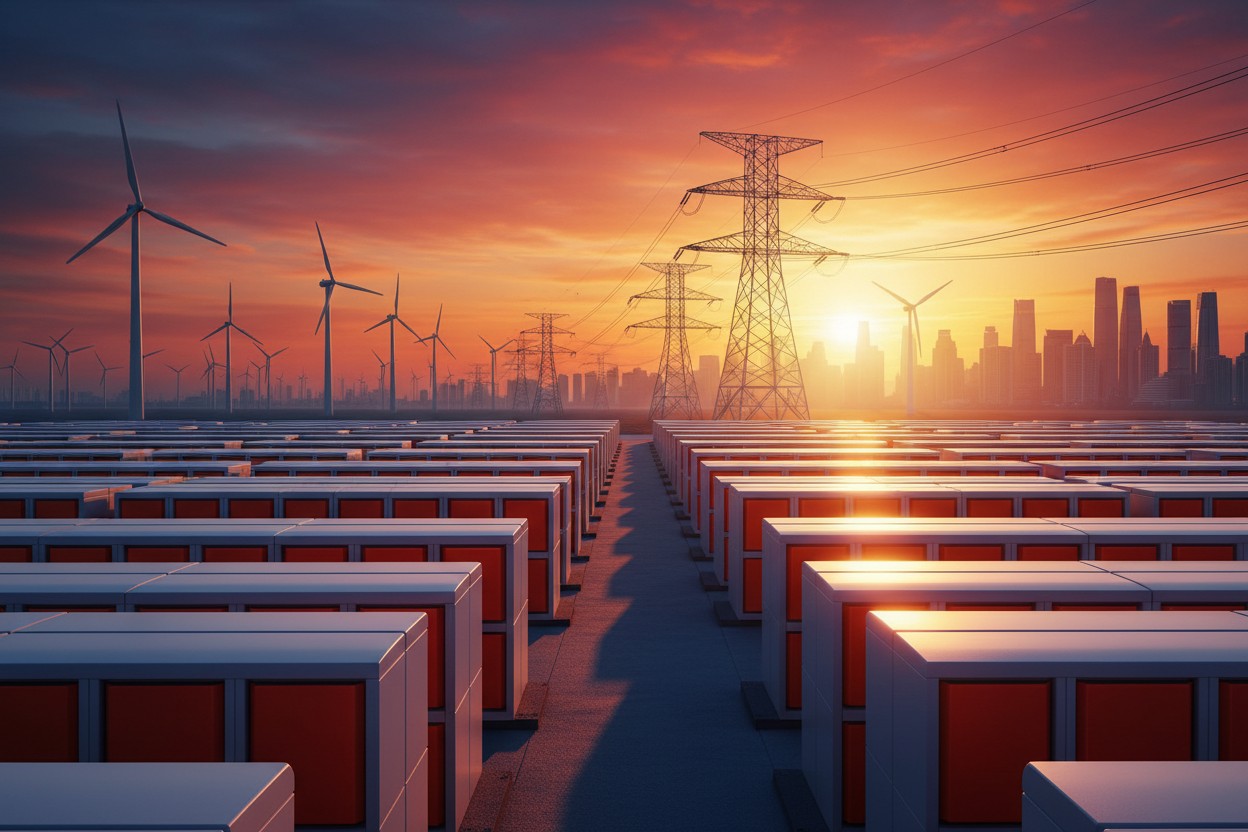
Sodium-ion batteries can strengthen backup power systems for utilities, cities, and businesses because many designs offer strong thermal stability, the report said. Stationary storage values stable performance, safety, and value rather than maximum driving range, the report stated [1].
A June 2025 article in NaturalNews.com reported that Italian startup Heiwit has unveiled a sodium-ion home battery aimed at reducing reliance on the lithium-ion market [7].
Grid applications are drawing commercial interest. A July 22 report from SodiumBatteryHub said sodium-ion has started to carve out a practical role in stationary storage, where low material risk, safety, and cost matter more than compact size [8]. The report said battery makers such as CATL are developing hybrid packs that combine sodium-ion and lithium-ion cells in one vehicle, with management systems directing power to match each chemistry's strengths [1].
Outlook for Sodium-Ion Batteries
Current commercial sodium-ion batteries reach about 79.4 Wh/lb, or 175 Wh/kg, while many lithium iron ph[osphate batteries exceed 90.7 Wh/lb, or 200 Wh/kg, according to the report. The report also emphasized that sodium-ion and lithium-ion are complementary technologies rather than direct rivals [1].
A September 2025 article in NaturalNews.com reported that CATL has unveiled Naxtra, a sodium-ion battery it says promises to slash costs, extend lifespans, and eliminate key supply-chain vulnerabilities [9].
A July 8 report from SodiumBatteryHub said sodium batteries are set to undercut lithium iron phosphate costs by 2027, with analysis from Bernstein and Morgan Stanley suggesting the technology has moved beyond the early test phase [10]. The report said sodium-ion batteries could expand access to cleaner transportation and energy storage while lithium-ion remains important [1].
Research literature has long anticipated the shift: a 2011 paper in Advanced Energy Materials noted that ambient-temperature sodium batteries have the potential to meet growing worldwide demand for electrical energy storage, due in part to sodium's widespread availability and low cost [11].
Conclusion: Sodium-Ion batteries are an ideal option for EVs
The report's central finding is that sodium-ion batteries are becoming a practical option for city EVs, commercial fleets, and stationary power systems in 2026. The technology offers three measurable advantages for municipal use: lower cost, more consistent cold-weather operation, and improved backup power capabilities, according to the report [1].
The report said lithium-ion remains important to the market, but sodium-ion batteries can play a growing role in affordable electric mobility and reliable energy storage [1].
As manufacturers move from research into production, the report said a wider mix of battery chemistries can make the EV and storage industries more adaptable and more resilient [1].
References
- SodiumBatteryHub. "Sodium-Ion Batteries Cut Costs for City EVs." August 6, 2026.
- NaturalNews.com. "China's sodium-ion batteries to replace lithium batteries in EVs." May 1, 2023.
- SodiumBatteryHub. "China Mass Producing EVs With Sodium-Ion Batteries." July 31, 2026.
- Patrick Lewis. "China's CATL unveils game changing sodium ion EV battery - a blow to lithium dominance and western energy control." NaturalNews.com. April 24, 2026.
- Lance D Johnson. "Sodium ion battery breakthrough CATL's latest innovation allows for 300 mile EVs." NaturalNews.com. October 16, 2025.
- Mike Adams - BrightVideos.com. "SURPRISE BATTERY TECH BREAKTHROUGH transcript." May 21, 2026.
- Lance D Johnson. "Italian startup unveils groundbreaking sodium ion battery for homes." NaturalNews.com. June 22, 2025.
- SodiumBatteryHub. "Sodium-Ion Batteries vs Lithium for Grid Storage." July 22, 2026.
- Willow Tohi. "China's sodium ion battery breakthrough could end the EV industry's biggest problems." NaturalNews.com. September 17, 2025.
- SodiumBatteryHub. "Sodium Batteries to Undercut LFP Costs by 2027." July 8, 2026.
- wcu. "Ambient temperature sodium batteries: A new class of layered oxide materials as cathodes for rechargeable sodium batteries." Adv. Energy Mater. 2011.





Please contact us for more information.