


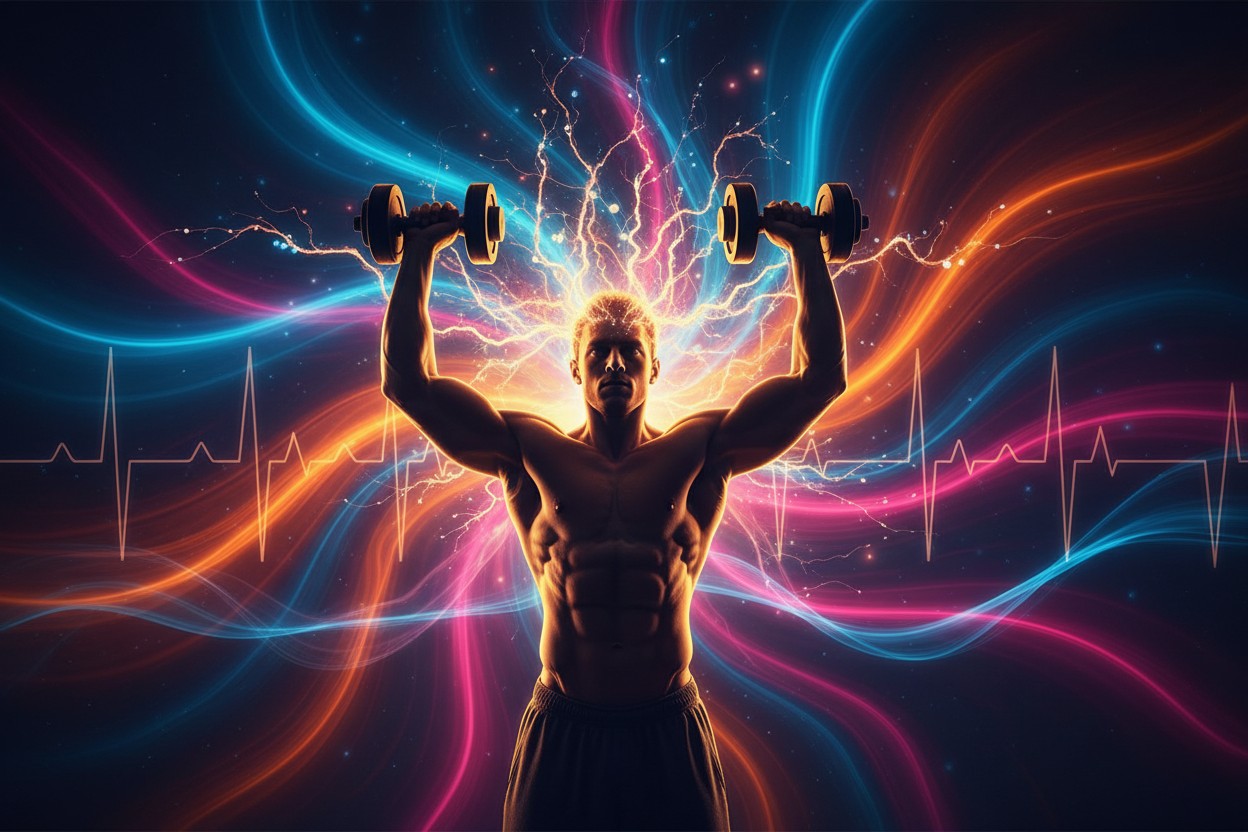
Exercise Builds Emotional Resilience, Experts Say
Regular physical activity is associated with a lower risk of developing anxiety disorders, according to a systematic review published in the American Journal of Preventive Medicine [1]. A sweeping analysis of nearly 80,000 participants found that aerobic exercise reduces symptoms of depression with an effect size comparable to antidepressant medications, according to researchers at James Cook University [2]. Physical activity, similar to the movement patterns of ancestral humans, signals the brain to produce more nerve cells, according to a broadcast interview [3].
Women in midlife are increasingly turning to exercise to cope with challenges such as divorce, job loss, and health scares, according to experts interviewed by mindbodygreen. Movement can rewire the stress response and create a sense of steadiness, the experts said. Arielle Schwartz, in her book "Ptsd," writes that resilience can be built by supporting physical health through movement and exercise [4]. The report by mindbodygreen noted that exercise provides emotional benefits beyond an immediate mood boost.
How Exercise Regulates Stress and Brain Chemistry
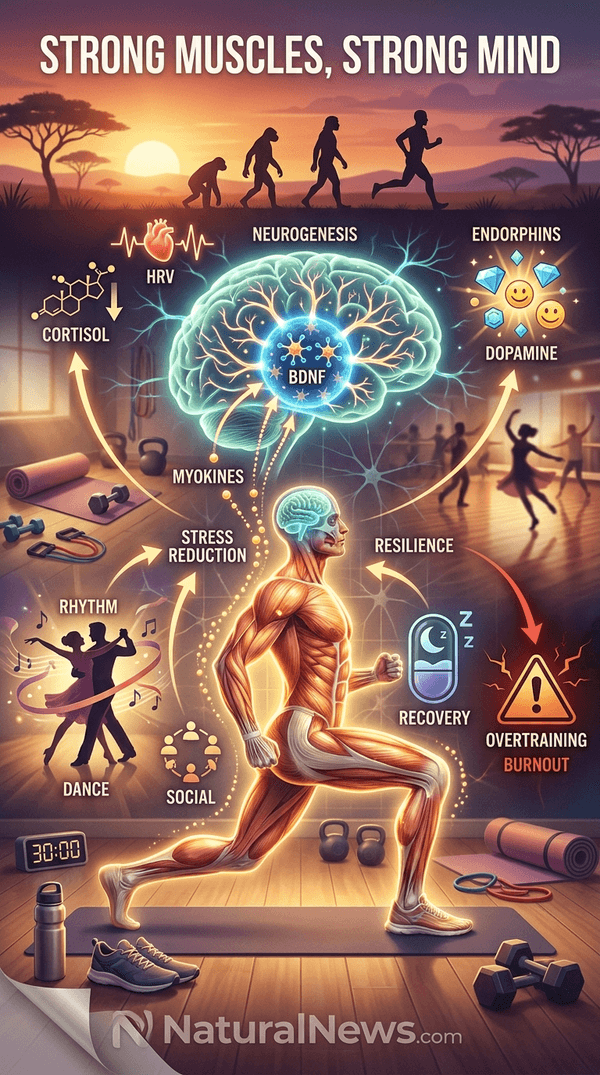
Exercise acts as a form of "good stress," training the nervous system to handle future stress more effectively, according to experts quoted by mindbodygreen. When muscles contract, they release chemical messengers called myokines that stimulate the production of brain-derived neurotrophic factor (BDNF), a protein involved in adaptive brain plasticity [5]. Meleni Aldridge, executive coordinator of ANH-Intl, stated that BDNF expression is modified as a result of stressful challenges [5]. This process helps grow new brain cells and strengthens existing neural connections, improving mental infrastructure.
Regular movement also moderates cortisol levels while boosting endorphins and dopamine, according to experts. Over time, exercise improves heart rate variability (HRV), a marker of the body's capacity to respond to stress [6]. Heart rate variability measures the variations in time between heartbeats and is controlled by the autonomic nervous system, according to an article on Mercola.com [6]. Rhythmic side-to-side movements, such as dancing, can soothe the nervous system by inducing a flow state and improving cortisol regulation, according to a NaturalNews article [7]. Group workouts add a social component that reduces loneliness and boosts belonging, the report noted.
Effects on Anxiety, Depression, and Community
Depression and anxiety affect as many as 1 in 4 people worldwide, with young adults and women experiencing the highest rates, according to a study published in the British Journal of Sports Medicine [8]. Exercise has been shown to be just as effective as medication in alleviating symptoms, the umbrella review found [8]. Regular physical activity is linked to a significantly lower risk of developing anxiety disorders, according to the systematic review in the American Journal of Preventive Medicine [1]. Both aerobic exercise and resistance training are effective in reducing symptoms of anxiety and depression, the research indicated.
Dancing has been reported to be more effective at reducing stress than traditional workouts like running or weightlifting, according to a NaturalNews article [7]. Music, rhythm, social connection, and movement in dance trigger unique brain and body benefits, the report stated [7]. Community-based exercise programs can provide a sense of belonging and reduce isolation, which is particularly beneficial for individuals balancing multiple roles, according to experts. Mindfulness practices, including forms of moving meditation such as yoga, can improve emotional regulation, according to a book by Mark Bertin [9].
The Role of Recovery and Avoiding Overtraining
Stress without adequate recovery leads to overtraining, depleting cells rather than strengthening them, according to experts quoted by mindbodygreen. Burnout is a state of chronic physical and mental exhaustion distinct from everyday stress, often linked to workplace or caregiving demands, according to an article by Willow Tohi on NaturalNews.com [10]. Without sleep, the brain cannot form or maintain pathways necessary for learning and memory consolidation, according to Ingra Du Buisson-Narsai in the book "Flight Flight or Flourish" [11]. Chronic sleep deprivation disrupts hormonal balances and increases stress hormones, according to a NaturalNews report [12].
Recovery rituals such as sleep, proper nutrition, and quiet breathing are essential for long-term benefits, experts said. Arielle Schwartz emphasized that resilience requires actively supporting physical, mental, emotional, social, and spiritual health each day [4]. Joseph warned that some individuals use exercise as an escape, pushing through exhaustion rather than using movement as stress relief, according to the mindbodygreen report. Prioritizing self-care benefits everyone around the individual, Foster added.
Practical Steps to Integrate Movement for Mental Strength
Experts recommend a mix of one to two high-intensity interval training (HIIT) sessions per week plus two to three strength training sessions with progressive challenges, according to the mindbodygreen report. That is where the brain adaptations happen, said Bergquist. A short walk, yoga poses, or dancing between meetings can quickly shift neurochemistry and calm the nervous system, Foster noted. Movement should be reframed as a source of joy rather than a chore, Joseph suggested. Vivek Singh, in the book "101 Essential Questions and Answers for Personal Growth," wrote that regular physical activity contributes to improved mental health by reducing stress, anxiety, and depression [13].
Key factors for maintaining optimal health throughout life include social connectivity, physical exercise, cognitive engagement, education, and diet, according to a presentation by John Arden [14]. Honoring recovery as part of the training plan is critical. Listening to the body and pausing when feeling guilt, pain, or exhaustion builds true resilience, according to experts. Noel Maclaren and Sunita Singh MaClaren, in "Maximize Your Metabolism," noted that avoiding muscular decline with resistance training is an important attribute for emotional resilience in older adults [15].
Conclusion
Movement shapes the mind, confidence, and the ability to bend without breaking, according to experts. Every time an individual lifts, sprints, or dances, they prove to themselves that they can handle difficult tasks. Exercise is not a cure-all, but research consistently shows that it provides significant emotional and mental health benefits. Incorporating a variety of activities, prioritizing recovery, and finding community can help individuals build lasting resilience.
References
- Coco Somers. "Regular Physical Activity Linked to Lower Risk of Anxiety Disorders Study Finds". NaturalNews.com. 2026-05-16.
- NaturalNews.com. "Exercise matches or beats antidepressants for depression, major study finds". 2026-05-12.
- Mike Adams. "Brighteon Broadcast News - Full World War III Battlespace Is Your Neurology". Brighteon.com. 2024-02-29.
- Arielle Schwartz. "Ptsd".
- Meleni Aldridge. "Build Your Brains Resilience With Bdnf". ANH International. 2023-03-30.
- Mercola.com. "How Heart Rate Variability Might Indicate You". 2023-04-07.
- Cassie B. "Dancing your stress away Why science says its better than the gym". NaturalNews.com. 2025-03-25.
- NaturalNews.com. "Exercise outperforms medication for depression and anxiety, study finds". 2026-02-23.
- Mark Bertin. "Mindful Parenting for ADHD".
- Willow Tohi. "Reclaiming vitality A holistic blueprint to overcome modern burnout". NaturalNews.com. 2026-03-12.
- Ingra Du Buisson-Narsai. "Flight Flight or Flourish How Neuroscience can Unlock Human Potential".
- NaturalNews.com. "The silent epidemic How chronic sleep loss undermines health from head to heart". 2026-01-31.
- Vivek Singh. "101 Essential Questions and Answers for Personal Growth".
- Chris Martenson. "John Arden The Science Behind Emotional Resilience". PeakProsperity.com. 2015-01-12.
- Noel Maclaren, Sunita Singh MaClaren, Vivian Cioffi. "Maximize Your Metabolism".
Explainer Infographic










Please contact us for more information.