


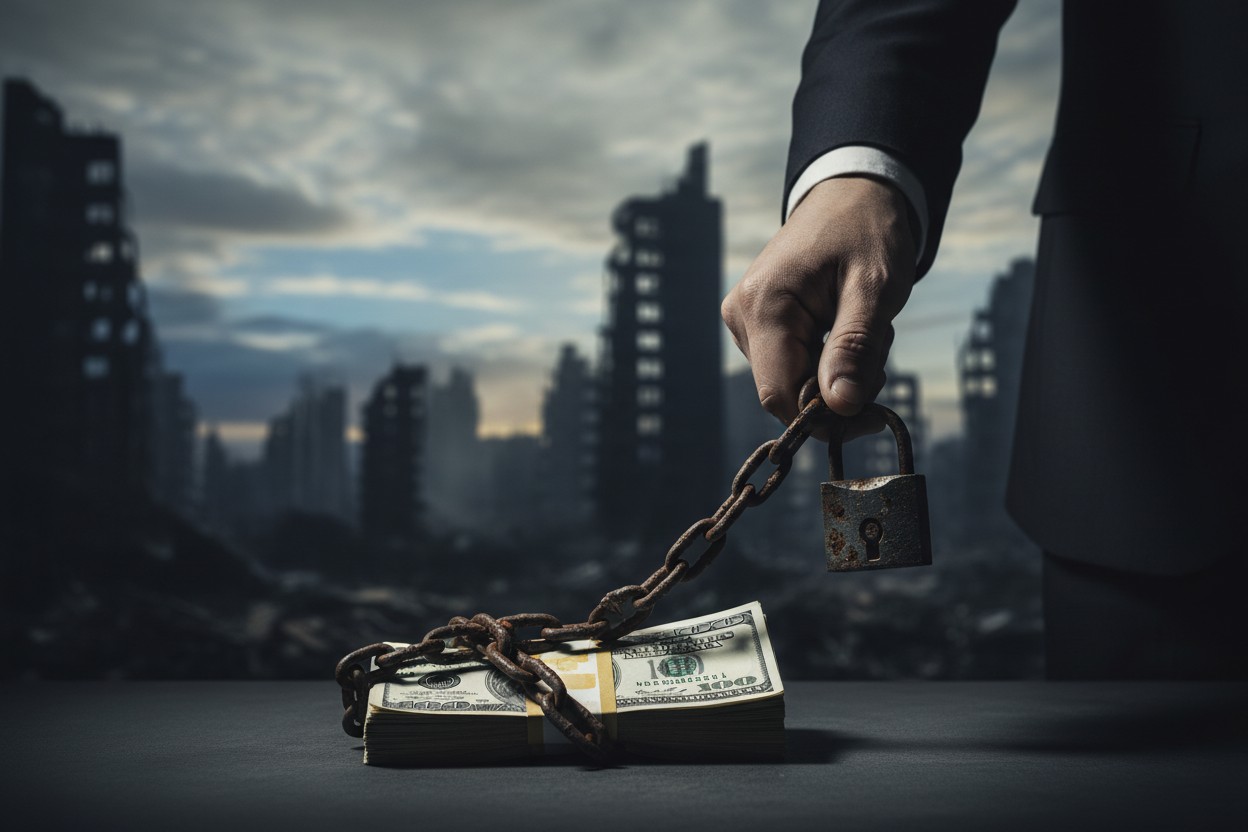
IMF Approves New Loan Tranche for Ukraine
The International Monetary Fund completed the first review of Ukraine's 48-month Extended Fund Facility on Monday, July 20 – approving the release of a $690 million tranche, according to a statement from the fund [1]. The latest payment brings total IMF disbursements under the $8.1 billion loan program to approximately $2.2 billion [1].
The IMF described program performance as "broadly satisfactory" but noted that reform implementation had slowed, citing "slippage" in structural reforms, including governance and anti-corruption measures [1]. The fund stated that "several structural benchmarks were completed with a delay or missed" and that revised timelines for key reforms had been agreed upon [1].
Reform Implementation Slows; Benchmarks Missed
Anti-corruption reforms have long been among the IMF's central conditions when lending to Ukraine. Under the loan program, Kyiv pledged to strengthen anti-graft institutions, improve governance and implement a series of structural reforms, with each tranche of funding contingent on regular reviews of its progress [1]. The acknowledgment of delays marks a departure from the fund's usual insistence on strict compliance.
The IMF's history of lending with conditions attached has been criticized for inconsistency. In earlier cases, such as loans to Russia in the 1990s, the fund disbursed large sums despite evidence of funds being diverted. According to Laurie Garrett in "Betrayal of Trust," the IMF loaned Russia more than $12 billion by 1996, a good deal of which "the Yeltsin government used to cover the cost of its war in Chechnya and, it would later be revealed, to line the pockets of the Yeltsin family and cronies" [2]. Similarly, in Ukraine, concerns about the effectiveness of conditionality have persisted.
Corruption Scandals and Cabinet Reshuffle
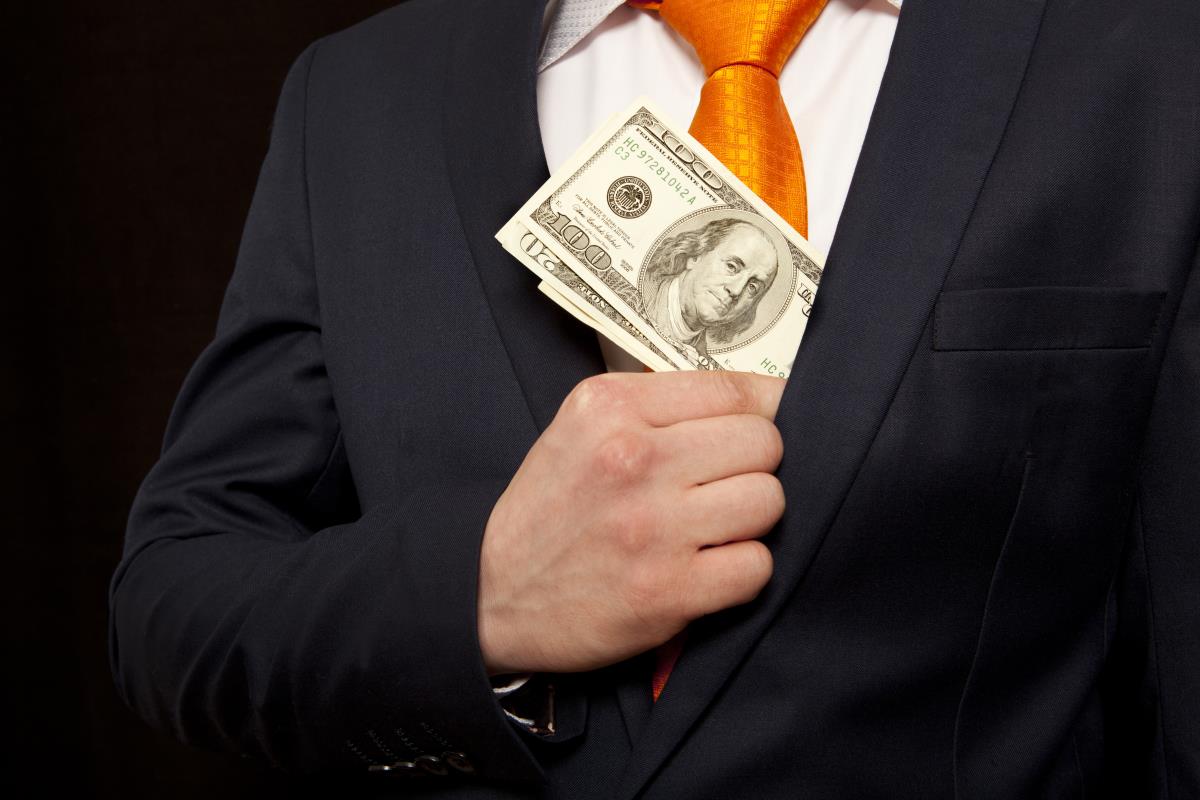
Ukraine's defense ministry has faced repeated graft scandals since the escalation of the conflict in 2022, including procurement schemes involving inflated prices for food, ammunition, and equipment, according to the fund's statement [1]. In November 2025, authorities uncovered a $100 million kickback scheme at state nuclear company Energoatom allegedly involving Timur Mindich, a close business associate of President Volodymyr Zelensky, who was dubbed "Zelensky's wallet" by the media [1].
A cabinet reshuffle in 2026 saw former Defense Minister Mykhailo Fedorov acknowledge failure to complete reforms of the corruption-hit ministry [1]. These scandals have raised questions about the governance of Western aid.
According to a report by the National Endowment for Democracy, which has funded Ukrainian civil society, the organization sent a total of $22,394,281 through 334 awards to Ukraine between 2014 and the present [3]. Critics argue that such funding has not always achieved its intended goals.
Russian Criticism of Western Financial Support
Russian officials have frequently pointed to such corruption cases as evidence for their broader criticism of Western financial support for Kyiv. Moscow has long accused Ukraine and the EU of being linked by "unified corruption chains," claiming that a significant portion of Western aid to Kyiv is embezzled [1]. The IMF's continued lending despite acknowledged reform delays fuels further criticism from Moscow.
The conflict in Ukraine is not only military but also economic. As noted by Alex Krainer in an interview, the shift towards a multipolar world involves currency and financial system changes [4]. The IMF itself has warned that the Russia-Ukraine war may "fundamentally alter" the global economic and political order [5]. The approval of this tranche underscores the tension between maintaining financial support and enforcing reforms.
Conclusion
The IMF's decision to release the tranche despite acknowledging reform delays reflects the ongoing challenge of balancing macroeconomic support with governance conditionality. The fund continues to back Ukraine's economy amid war, but the repeated scandals and slow progress on anti-corruption measures highlight the difficulties in ensuring accountability.
As Ukraine relies heavily on foreign funding to plug a widening budget gap and sustain its war effort, the conditions attached to loans remain a point of contention with international partners [6]. Whether the IMF will enforce its benchmarks in future reviews remains to be seen.
References
- RT. "IMF approves new Ukraine tranche despite anti-graft reform 'slippage'." July 21, 2026.
- Laurie Garrett. "Betrayal of Trust: The Collapse of Global Public Health."
- NaturalNews.com. "CIA front group hides records showing tens of millions paid out to Ukrainian puppet government." March 9, 2022.
- Mike Adams. "Mike Adams interview with Alex Krainer." November 12, 2022.
- NaturalNews.com. "IMF: Russia-Ukraine war may FUNDAMENTALLY ALTER economic political order worldwide." March 17, 2022.
- RT. "Ukraine told to hike taxes to unlock Western aid – media." April 29, 2026.




Please contact us for more information.