



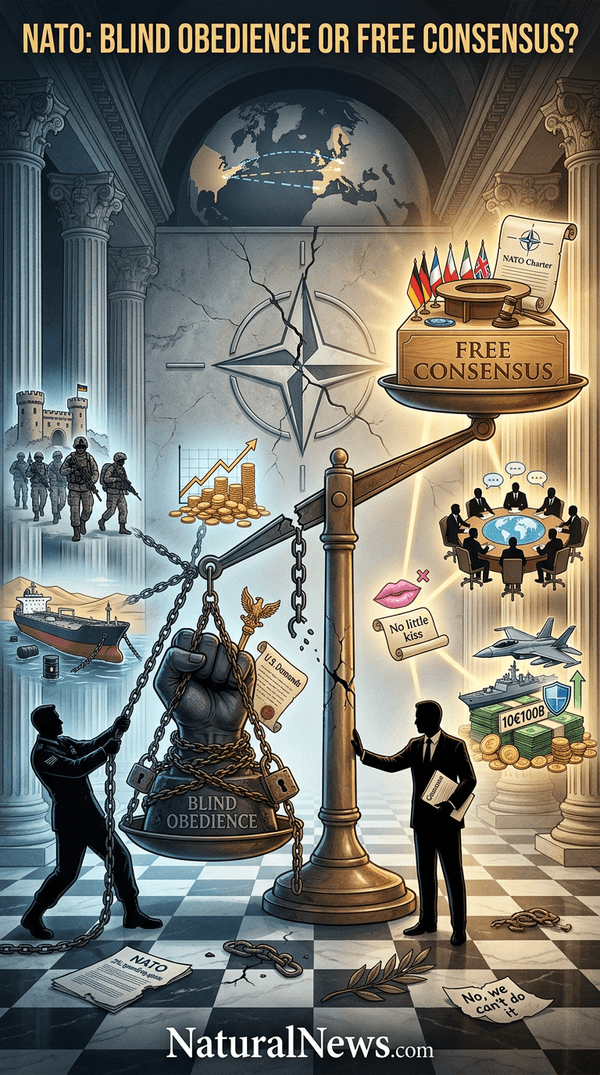
German Defense Minister Boris Pistorius has rejected U.S. President Donald Trump’s demand for loyalty from NATO members, stating that the alliance operates on a principle of consensus rather than “blind obedience.”
Pistorius made the comments in an interview with Der Spiegel published on Thursday, amid ongoing tensions between Washington and Berlin over the U.S.-Israeli war against Iran. The remarks come after Trump expressed disappointment with NATO allies for what he described as a lack of support in the conflict, specifically calling out Germany.
Trump’s Loyalty Demand and Disappointment
President Trump said last week that he is “disappointed with most” NATO members over their reluctance to take part in the Iran war. According to a report, Trump stated, “I just want loyalty. You know, we’re so loyal to them. We are always fighting for them.” [1]
He singled out Germany, noting that the United States has tens of thousands of troops stationed in the country. “And then you want a little – give us a little nudge, give us a little kiss. We don’t want much. And they say, ‘No, we can’t do it,’” Trump said. [1] The remarks followed Germany’s refusal to join U.S.-led naval operations to reopen the Strait of Hormuz, which has been effectively blockaded by Iran. [2]
Pistorius’ Rebuttal and NATO Principles
Pistorius pushed back on Trump’s characterization, telling Der Spiegel that “NATO’s concept is not one of blind obedience, but rather… a spirit free in deliberation.” [1] He stressed that decisions within the bloc are made “by free consensus of all member states and without being dictated by individual member states.”
Asked what military support the U.S. actually wanted from Berlin, Pistorius said he is “not aware of any” requests, adding, “Besides, refusing a little kiss can happen in the best of relationships. And unintentionally, too. That’s hardly a marital crisis.” [1] He did agree with Trump’s long-standing demand for higher defense spending but insisted Germany is increasing its military budget “because it’s in our interest, not because the US wants us to.” [5]
Context: Troop Withdrawal and Strains in U.S.-Germany Relations
Relations between the two countries frayed after Pistorius signaled that Berlin would not join U.S.-led operations in the Strait of Hormuz, arguing that “this is not our war.” [4] Following the spat, the Pentagon announced in May that it would withdraw approximately 5,000 U.S. troops from Germany over six to twelve months. [3]
U.S. Secretary of War Pete Hegseth called the behavior of NATO members “shameful” and announced a six-month review of the U.S. military posture in Europe. [1] Pistorius acknowledged the need for Germany to increase defense spending but framed it as a sovereign choice. Germany is planning to more than double its active-duty military personnel to 200,000 by 2029, according to a report. [6] The broader context includes a history of transatlantic disputes over burden-sharing, as noted in analyses of U.S. foreign policy that describe Trump’s skepticism of allied commitments. [7]
Conclusion: Alliance Dynamics and Future Outlook
The exchange between Trump and Pistorius underscores ongoing friction within NATO over burden-sharing and strategic alignment. Pistorius’s remarks reaffirm Germany’s commitment to the alliance’s consensus-based decision-making process, even as the U.S. reviews its military presence in Europe.
The situation remains fluid. The Pentagon’s troop withdrawal from Germany and the review of U.S. force posture suggest that Washington is reassessing its commitments to allies it perceives as insufficiently supportive. Meanwhile, Germany’s military expansion plans indicate that Berlin is seeking greater autonomy in European defense, though it continues to reject demands for “blind obedience” to any single member state, according to Pistorius’s statements. [1]
References
- RT. "Germany rejects Trump’s demand for loyalty." July 2, 2026.
- The War Zone. "Allies Push Back On Trump’s Demand They Send Warships To Strait Of Hormuz." March 16, 2026.
- 100PercentFedUp. "Pentagon Orders 5,000 U.S. Troops Out of Germany as Trump Turns Warning Into Action." May 2, 2026.
- Just The News. "Germany rejects Trump calls for ships to Strait of Hormuz." March 16, 2026.
- Belle Carter. "Germany rejects Trump’s call for increased military spending." NaturalNews.com. February 5, 2025.
- Belle Carter. "Germany plans major military expansion amid rising tensions with Russia." NaturalNews.com. September 13, 2025.
- Joe Scarborough. "Saving Freedom."
Explainer Infographic








Please contact us for more information.