



- Ultra-processed food intake in toddlers is linked to smaller brain volumes by age 6.
- Every 10 percent increase in consumption correlated with roughly 2 percent less volume in key brain regions.
- These brain regions govern reward, emotion, and motivation in children.
- The structural brain changes occurred even when cognitive test scores appeared normal.
- Early childhood is a vulnerable window as ultra-processed foods dominate young children's diets.
A new study from Children's Hospital Los Angeles has found that toddlers who eat more ultra-processed food tend to have smaller volumes in several key brain regions by the time they turn 6. Published in The American Journal of Clinical Nutrition and funded by the National Institutes of Health, the research adds to a growing body of evidence that the industrial food filling American pantries may be quietly reshaping children's developing brains.
Smaller brain regions tied to more processed food
The team, led by first author Jonatan Ottino-González and senior author Michael Goran, followed 144 Latino and Hispanic mother-infant pairs. They measured each child's ultra-processed food intake at four stages — 6, 12, 24, and 72 months — using repeated 24-hour diet recalls, then scanned the children's brains with MRI at age 6.
The pattern was consistent: every 10% increase in cumulative intake was associated with roughly 2% less volume in subcortical structures such as the accumbens, amygdala, pallidum, putamen, and thalamus. Those regions help govern reward, emotion, and motivation — the machinery a child relies on to feel pleasure, manage mood, and stay driven. Notably, the researchers found no matching drop in cognitive test scores, meaning a child could perform normally while these structural differences went undetected.
"Even without differences in cognitive performance, we're seeing measurable changes in brain structure," Goran said.
Why early childhood is a vulnerable window
Ultra-processed foods — shelf-stable products built from refined ingredients, sweeteners, emulsifiers, and cosmetic additives rather than whole foods — now account for more than half of the calories American children ages 1 to 5 consume. That overlaps with a period of intense neuroplasticity, when the brain is busy wiring its connections and is especially sensitive to what fuels it.
Earlier research in adults has linked heavy ultra-processed consumption to weaker attention, poorer working memory, reduced impulse control, and lower brain volume, along with higher rates of cognitive decline and dementia. Until now, little imaging evidence existed for young children, and that's a gap this study begins to fill.
A gut-based fix that doesn't come from a pharmacy
Separate research offers both a warning and a reason for hope. Scientists at University College Cork recently reported in Nature Communications that in mice, a junk-food diet early in life rewires the hypothalamus — the brain's appetite and energy-balance center — in ways that persist into adulthood and raise the risk of obesity, even after the diet improves.
"What we eat early in life really matters," said lead author Cristina Cuesta-Martí, adding that the harm may not show up on the scale.
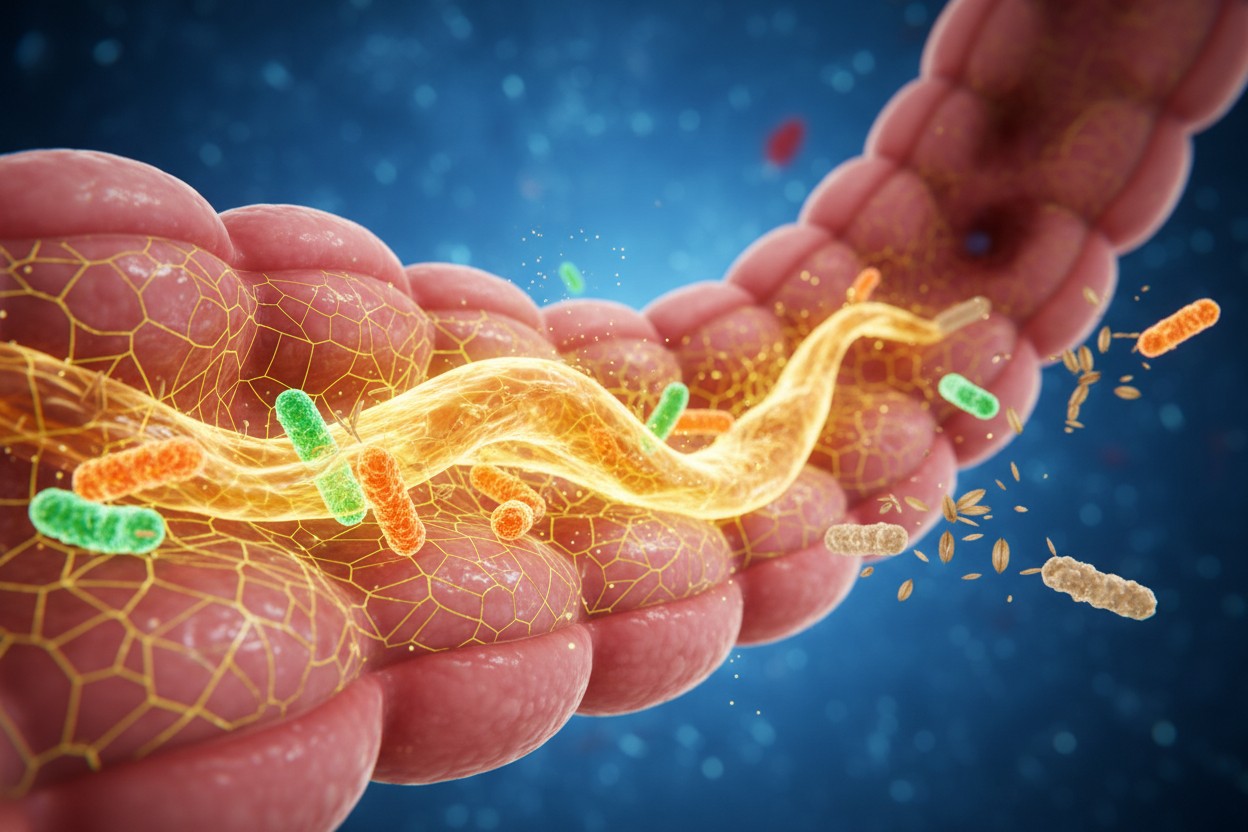
But the same team found the body can push back. A probiotic strain called Bifidobacterium longum APC1472 helped reverse some of those diet-driven brain changes, while a prebiotic blend nourished the beneficial bacteria already living in the gut. Those prebiotics aren't sold behind a pharmacy counter; they occur naturally in everyday foods like onions, garlic, and bananas.
That is the practical takeaway. The food industry has spent decades engineering cheap, convenient products designed to capture young appetites, and the emerging science suggests the cost may be paid in brain tissue. The encouraging part is that the countermeasure is simple and within reach: real, whole food. Goran's team is still working to pin down how and when these exposures do their damage, but parents don't need to wait for the final answer to put something better on the plate.
Sources for this article include:









Please contact us for more information.