


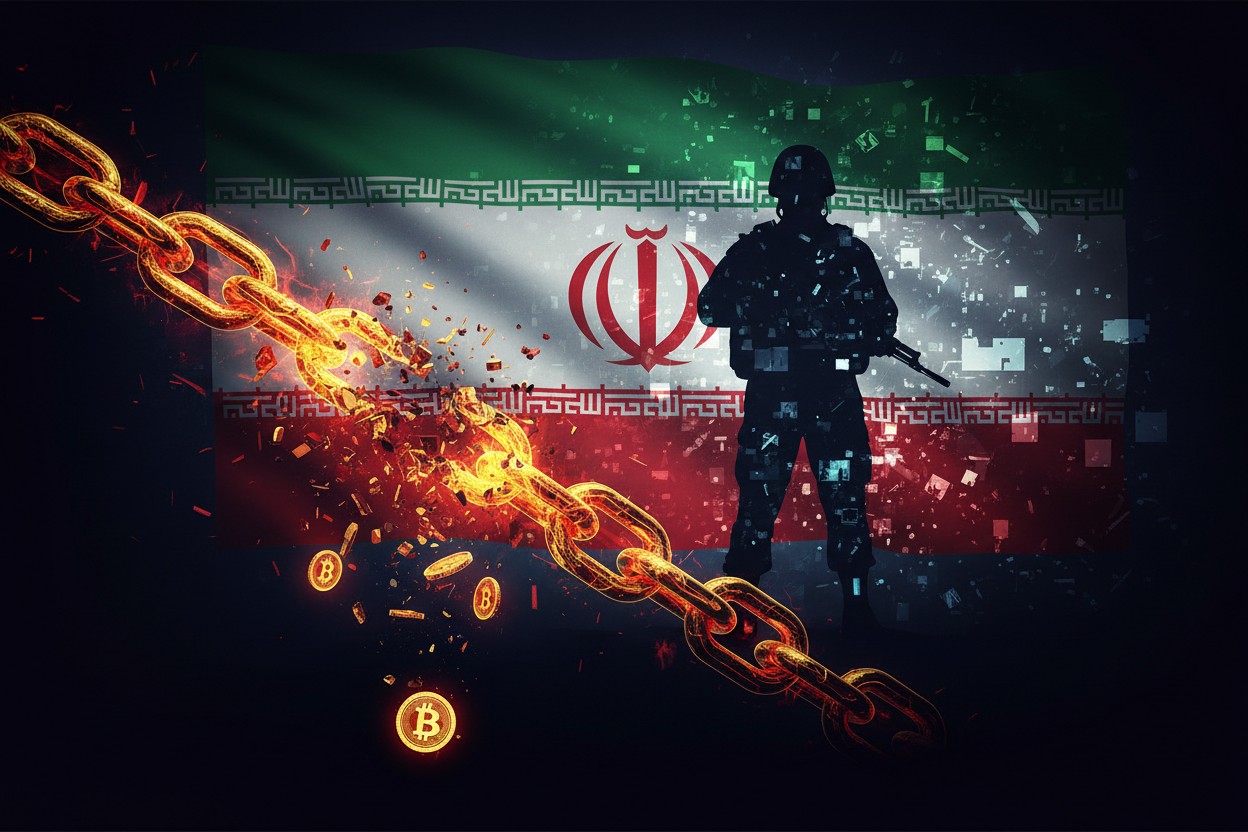
Iranian officials have strictly rejected the Trump administration's claims that the country’s newly unblocked frozen assets must be used exclusively to buy U.S. agricultural products. That means no GMO's, and the Iranian negotiator, Mohammad Bagher Ghalibaf, is being clear about that.
Still, President Donald Trump and Treasury Secretary Scott Bessent maintain that billions of dollars will be kept in U.S.-controlled escrow accounts to buy American wheat, corn, and soybeans, while Iranian leadership insists there is no such requirement in the signed agreement.
Key points:
- Iran's chief negotiator denies U.S. claims about frozen assets being used for American agricultural purchases.
- Iran said the U.S. only exports "GMO soybeans, broken promises and trash talks."
- The June 17 memorandum of understanding (MoU) between the U.S. and Iran is already unraveling over Israeli operations in Lebanon.
- The Strait of Hormuz remains a critical chokepoint, with Iran asserting its right to collect service fees on transiting ships.
- U.S. intelligence confirms Iran is not actively developing nuclear weapons, contradicting war rhetoric.
- A prolonged conflict could trigger global inflation, refugee crises, and Russian or Chinese exploitation.
Clashing narratives
Following the signing of a U.S.-Iran Memorandum of Understanding (MOU) on June 17, 2026, intended to halt regional hostilities, both nations have presented completely conflicting narratives regarding the release of an estimated $12 billion in frozen assets.
The U.S. Position: President Trump stated that the unblocked funds will flow directly from banks in Qatar to American farmers to supply Iran with humanitarian goods. According to the U.S. Treasury Department, this mechanism is designed to prevent cash from ever reaching Tehran while simultaneously opening a massive new export market for U.S. agriculture.
The Iranian Position: Iranian Central Bank Governor Abdolnasser Hemmati and Foreign Ministry spokesman Esmaeil Baqaei quickly clarified that Iran has absolute liberty to spend the funds in whatever way best serves the nation. They noted that any future purchases from the U.S. would be based strictly on competitive global market prices and quality, not on conditions dictated by Washington.
The suggestion that Iranian funds would be used to boost the American economy has triggered a fierce domestic backlash from Iranian hard-liners. Iranian Parliament Speaker Mohammad Bagher Qalibaf publicly mocked the U.S. proposal on social media, stating that the only crop being harvested from the U.S. is "decades of mistrust".
Hard-line political factions and state-media outlets have heavily criticized the negotiators, raising public health concerns by claiming that U.S. agricultural exports are dominated by genetically modified crops (GMOs) that pose a public safety risk. Negotiators from both sides are currently in Switzerland working through a 60-day window to map out the exact legal and banking mechanisms of the framework agreement
The broken trust behind the memorandum
The June 17 memorandum of understanding was supposed to be a step toward de-escalation. Under the deal, the United States agreed to unfreeze an unspecified amount of Iranian assets, with President Donald Trump claiming the money would buy American wheat, soybeans and corn. But Iran’s negotiator Mohammad Bagher Ghalibaf quickly rejected that interpretation. On X, he wrote that "the only crop we’re harvesting is what you planted: decades of mistrust." He added that the United States exports "GMO soybeans, broken promises and trash talks."
This exchange reveals the psychological chasm between the two nations. For Iran, the U.S. has a long history of military interventionism, often carried out on behalf of Israel’s interests. The 1953 coup against Iran’s democratically elected prime minister, the eight-year Iran-Iraq war where the U.S. supported Saddam Hussein, and the Trump administration’s 2020 assassination of General Qassem Soleimani all reinforce Tehran’s belief that Washington cannot be trusted. From the American perspective, however, the goal is to eliminate Iranian-backed proxies like Hezbollah and Hamas, groups that have attacked U.S. allies and interests. The U.S. argues that Iran’s support for these proxies destabilizes the region and threatens Israel’s existence.
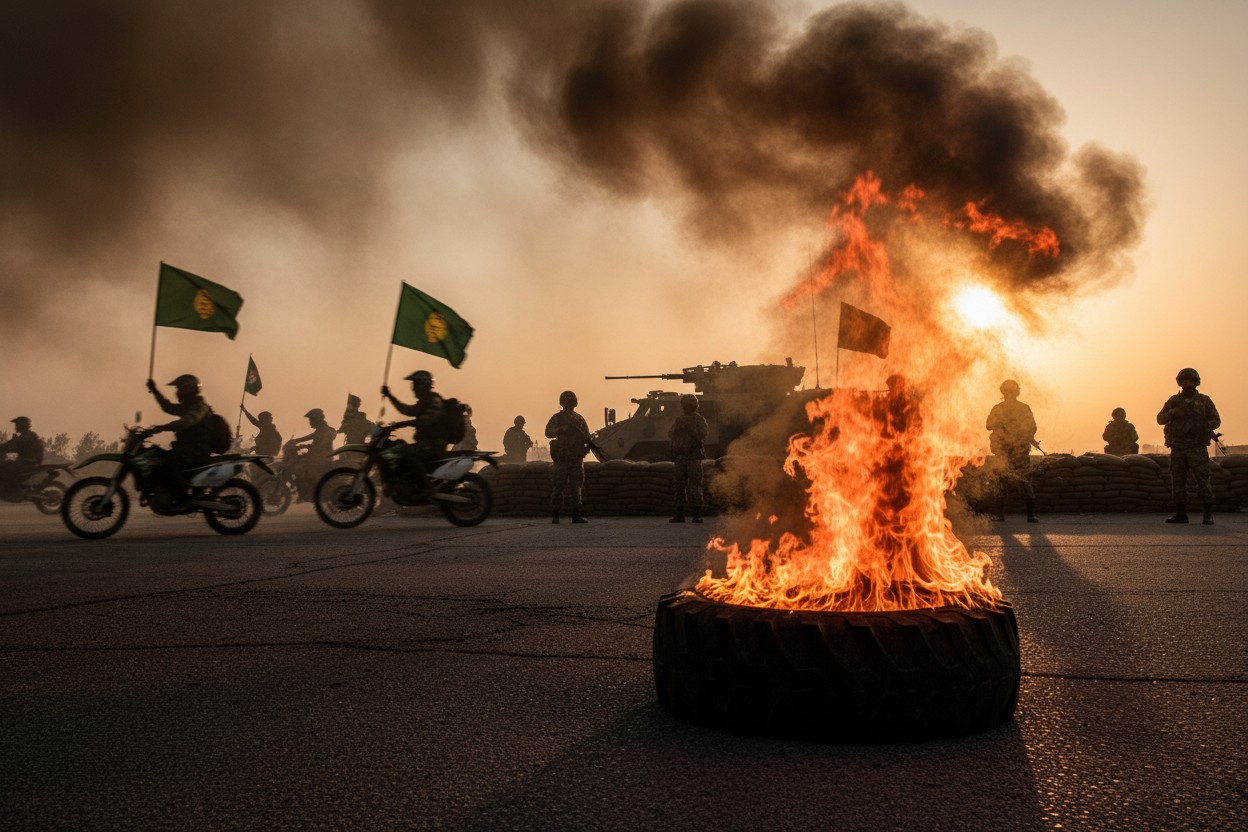
But the MoU has already started to crack. Iran accused Israel of violating the agreement by continuing military operations against Hezbollah in Lebanon. The deal explicitly stated that both sides would pursue the "immediate and permanent termination" of fighting in the Levantine country. U.S. Secretary of State Marco Rubio blamed "Iranian proxies" for sabotaging the deal, while Iran condemned "American militarism and interventionism." The cycle of blame is predictable, but it masks a deeper truth: neither side is willing to make the concessions necessary for lasting peace. In the process, Iranian leaders are exposing America's agricultural system as poisonous, and they have no intention of trading for these toxic food products.
Sources include:




Please contact us for more information.