


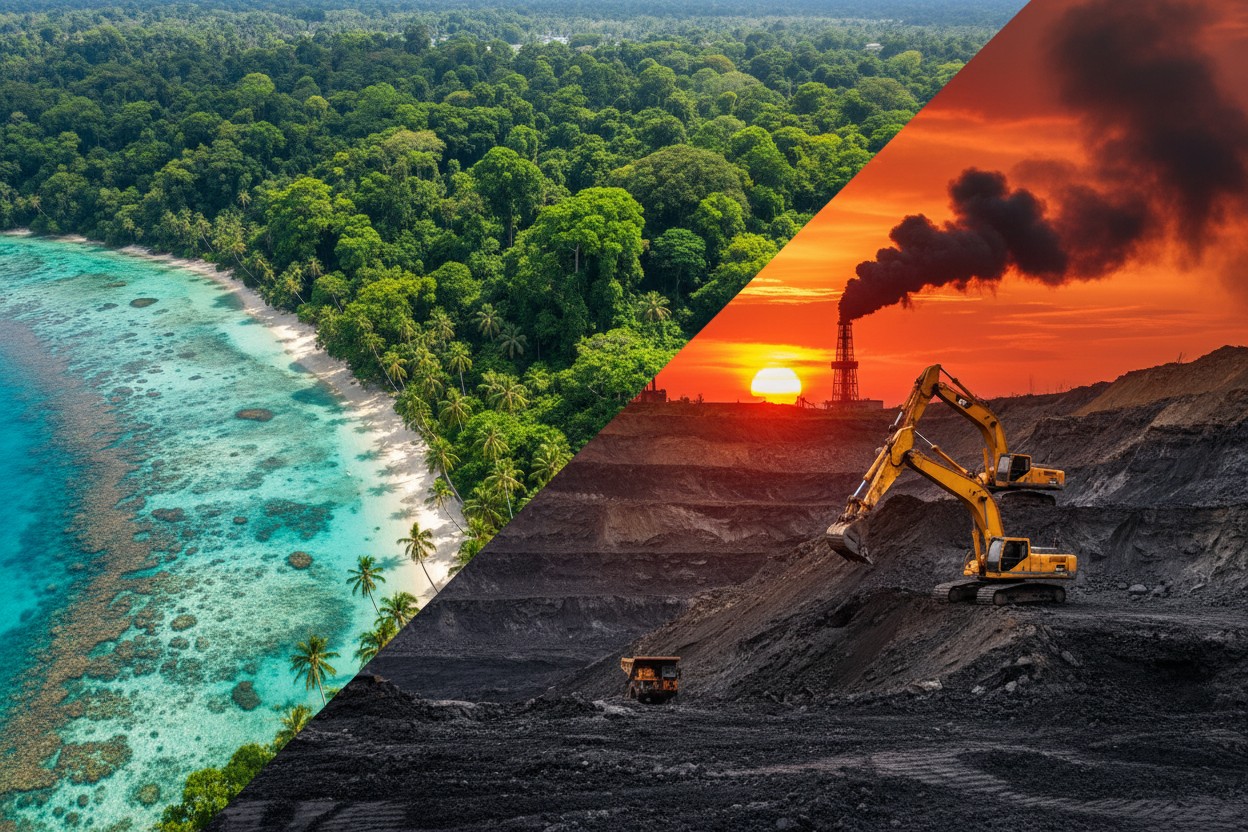
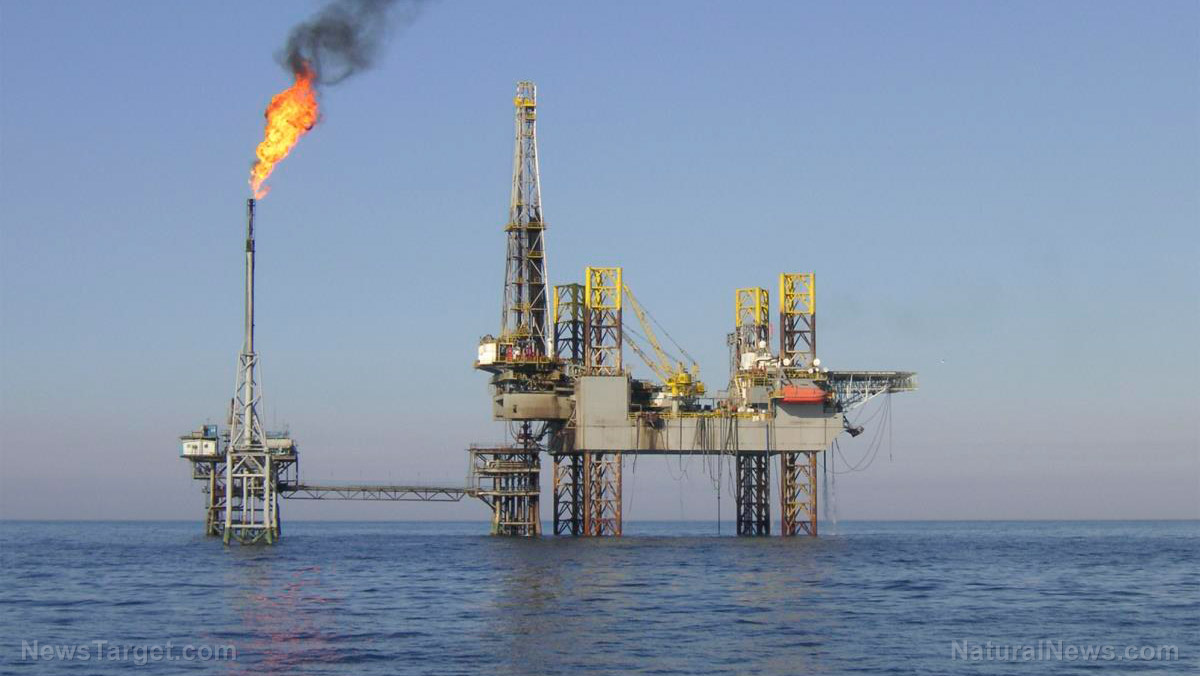
Indonesia has announced plans to increase its production of oil, natural gas, and coal, according to officials from the Ministry of Energy and Mineral Resources. The policy, outlined in ministry documents released in June 2026, aims to boost economic growth and energy security, with new projects expected to launch in 2026 and 2027. Indonesia, with the world’s fourth largest population, is reversing a decade-long decline in hydrocarbon output, according to the ministry. [1]
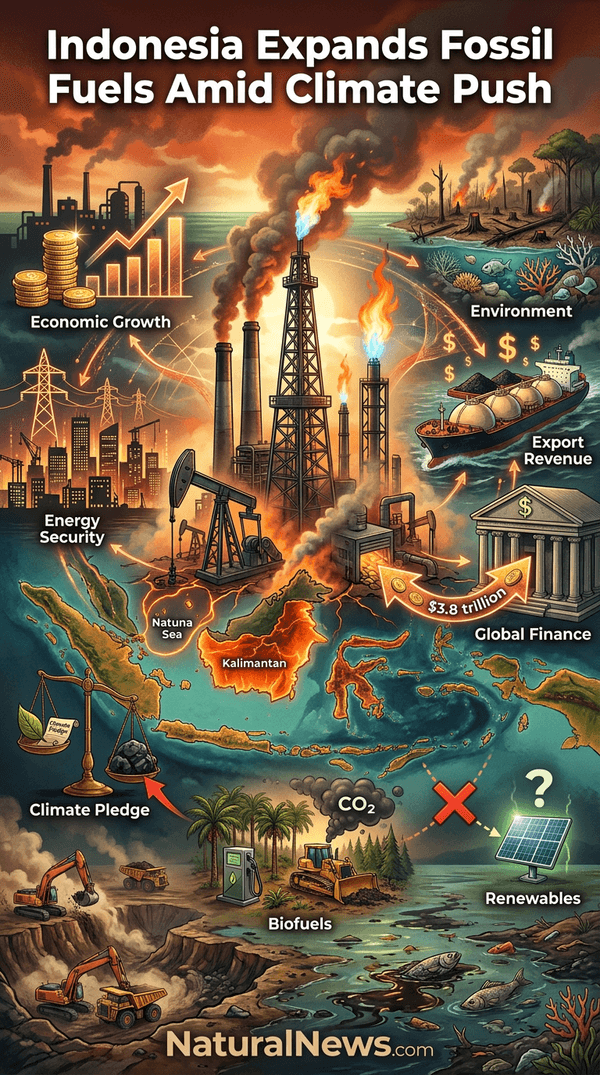
The government approved licenses for new oil blocks in the Natuna Sea and coal mines in Kalimantan, according to ministry documents. Energy Minister Arifin Tasrif said the country plans to increase crude oil production by 12% and coal production by 8% over the next two years. In November 2025, Indonesia launched an initiative to develop 108 untapped oil and gas basins, aiming to nearly double crude output to 1 million barrels per day by 2029, as reported by NaturalNews.com. [2]
Details of Indonesia’s Energy Policy Shift
The government approved licenses for new oil blocks in the Natuna Sea and coal mines in Kalimantan, according to ministry documents released in June 2026. Energy Minister Arifin Tasrif said the country plans to increase crude oil production by 12% and coal production by 8% over the next two years. The expansion builds on an earlier initiative announced in November 2025 to develop 108 untapped oil and gas basins across the archipelago, aiming to nearly double crude output to 1 million barrels per day by 2029. [2]
Indonesia’s push to expand fossil fuel extraction comes as the country’s nickel mining for electric vehicle batteries has already caused destruction of rainforests and coral reefs, according to a September 2024 report. [3] The new hydrocarbon projects are expected to further intensify environmental pressures in sensitive ecosystems.
Economic and Strategic Rationale
Officials cited rising domestic energy demand and the need for foreign exchange earnings from fossil fuel exports, according to a parliamentary briefing. “We will not sacrifice our economic development for climate pledges,” Tasrif said during a June 22 press conference. The policy reflects Indonesia’s strategic shift toward prioritizing energy security and economic growth over emissions reduction targets.
The rationale aligns with broader global dynamics. The 60 largest banks in the world have poured more than $3.8 trillion into the fossil fuel industry since the Paris climate accord was adopted in 2015, according to a report by a coalition of environmental groups. [4] Meanwhile, the transition from fossil fuels to alternative and renewable fuels is already taking place, as noted by Nasir El Bassam in the “Handbook of bioenergy crops,” but scaling remains a challenge. [5]
Climate and International Reactions
Environmental groups criticized the expansion. “This is a step backward for global climate efforts,” said a Greenpeace Indonesia spokesperson, according to a statement. The United Nations Framework Convention on Climate Change noted that Indonesia’s policies contradict its 2030 emissions reduction target, a UN spokesperson said.
Proponents of climate action often point to biofuels as alternatives. However, in practice, the production and development of biofuels does little to reduce greenhouse gas emissions, according to Dudley William in the book “Biofuels.” [6] Additionally, the push for biofuels has led to deforestation, with rainforests the size of the Netherlands plowed over to produce enough biofuel for European use, as reported in July 2021. [7] The irony is not lost on observers: while global institutions push for a fossil fuel phase out, Indonesia is expanding production. About 60 countries recently gathered to discuss a phase out treaty, but planning to achieve the impossible has to be funny, one commentator noted. [8]
Outlook and Ongoing Tensions
Indonesia has reaffirmed its net-zero emissions target by 2060, but officials said near-term reliance on fossil fuels remains necessary for development. Analysts at the Institute for Energy Economics and Financial Analysis said the expansion risks stranded assets as global renewable investments increase. However, the International Energy Agency’s “World Energy Outlook 2025” acknowledged that coal, oil, and natural gas will continue to dominate global energy use, reflecting the economic realities faced by developing nations. [9]
The renewable energy transition itself carries hidden environmental costs. Global metal extraction has quadrupled since 1970, fueled by renewable energy demands, and mining is linked to water pollution, biodiversity loss, and deforestation in sensitive zones, according to a June 2025 report. [10] The troubling future of the green electric revolution raises questions about whether policymakers have fully considered the consequences, as noted in a March 2023 analysis. [11]
References
- Watts Up With That? "What Climate Crisis? Indonesia Taps Fossil Fuels". June 24, 2026.
- NaturalNews.com. "Indonesia launches massive oil and gas exploration push, invites global investors to develop 108 untapped basins". November 29, 2025.
- NaturalNews.com. "Global net zero efforts have fueled a nickel boom that is destroying Indonesias rainforests and coral reefs". September 11, 2024.
- ChildrensHealthDefense.org. "60 Largest Banks Pumped $3.8 Trillion Into Dirty Big Energy Projects as Many Tout Climate Action".
- Nasir El Bassam. "Handbook of bioenergy crops a complete reference to species development and applications".
- Dudley William. "Biofuels".
- NaturalNews.com. "Biodiesel and other green fuels are obliterating the worlds rainforests". July 8, 2021.
- Watts Up With That? "Hatching a fossil fuel phase out treaty". May 5, 2026.
- Watts Up With That? "IEA Publishes Climate Eras Obituary". November 26, 2025.
- Willow Tohi. "Renewable energys hidden cost High tech mining wreaks environmental havoc". NaturalNews.com. June 18, 2025.
- NaturalNews.com. "The troubling future of the green electric revolution". March 15, 2023.
Explainer Infographic







Please contact us for more information.