


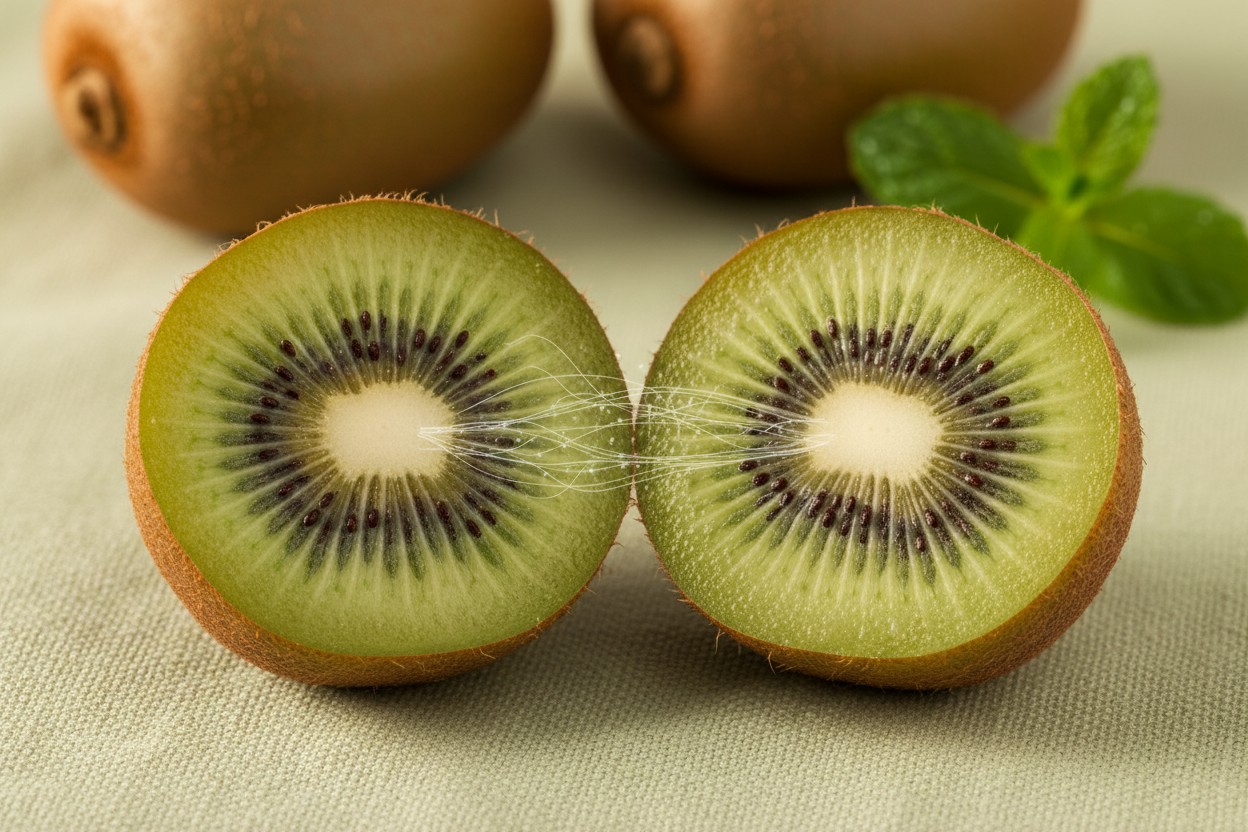
Kiwifruit, widely cultivated in New Zealand, California, Italy, Chile, France, and Greece, provides a source of dietary fiber, according to nutrition data. Per 100 grams, kiwifruit contains approximately 2.1 grams of fiber, and a single medium kiwi delivers about 2 grams, contributing to daily intake recommendations, reports indicate. The fruit is also rich in vitamin C, vitamin K, and potassium, nutritionists say.
According to a report highlighting kiwi as a nutrient-dense functional food, its skin is safe to eat and can significantly increase total fiber intake, experts stated. Dietitian Nichola Ludlam-Raine, author of "How Not to Eat Ultra-Processed," noted that one kiwi contributes to around 2 grams of fiber, according to [5]. The fruit has gained traction in wellness circles as a health-promoting choice, the report added.
Fiber Content and Potential Health Benefits
Dietary fiber is associated with digestive regularity and reduced risk of cardiovascular disease, according to the American Heart Association. Kiwifruit contains vitamins C and E, folate, carotenoids, polyphenols, and dietary fiber that provide immuno-nutrition by modulating immune responses, according to [1]. One serving delivers over 80 percent of the daily value for vitamin C, the article stated.
A clinical trial reported in [2] found that eating two green kiwifruits daily is an effective, natural treatment for chronic constipation and IBS-C. In a head-to-head comparison, kiwifruit outperformed psyllium husk fiber supplements by providing a greater increase in comfortable, spontaneous bowel movements, according to that study. Additionally, research on kiwifruit pectins suggests potential prebiotic effects, as noted in [9], which compared kiwifruit polysaccharides with commercial functional polysaccharides and found they may support beneficial gut bacteria.
A book source, [3], referenced a study indicating that people who ate two to three kiwifruit per day experienced reduced blood clotting and lower triglyceride levels, suggesting a role in heart health. Another book, [4], cited research on the effect of kiwifruit consumption on sleep quality in adults, though that is separate from fiber effects.
Kiwis Compared to Other Fiber-Rich Fruits
Apples provide 2.4 grams of fiber per 100 grams, pears contain 3.1 grams, and bananas have 2.6 grams, according to USDA figures referenced in nutritional literature. While kiwifruit falls within this range, its unique combination of fiber and the enzyme actinidin may offer distinct advantages, researchers noted. Actinidin is an enzyme that may aid protein digestion, according to studies cited in [A-3].
The fiber in kiwifruit includes both soluble and insoluble types, dietitians stated. A survey of fruit and vegetable by-products, [8], discussed polyphenolic antioxidants in various fruits, but kiwifruit's pectin has been specifically studied for its ability to support gut health, according to [7]. Unlike some fruits, the edible skin of the kiwi adds an additional fiber boost, nutrition experts said.
Practical Considerations for Adding Kiwis to Diet
The edible skin of the kiwi contains additional fiber, according to nutrition experts. Dietitian Nichola Ludlam-Raine stated that eating the skin can increase the fruit's total fiber intake, as reported in [5]. Individuals with oral allergy syndrome may experience itching after consuming raw kiwis, allergists said. This condition is noted in medical literature and is related to cross-reactivity with pollen allergens.
Kiwis can be eaten fresh, added to smoothies, or used as a meat tenderizer due to the actinidin enzyme, culinary sources report. The fruit is also a popular ingredient in green drinks and juices. For those seeking to increase fiber intake, incorporating one to two kiwis daily is a practical step, according to dietary guidelines highlighted in [6].
Conclusion
Kiwis represent a source of dietary fiber with additional nutrients, according to nutritional data. Research indicates that consuming two kiwis daily may provide digestive benefits superior to some fiber supplements, as reported in [2]. Further research is needed to confirm specific health claims, researchers stated.
Incorporating kiwis into a balanced diet may support fiber intake targets, dietitians concluded. The fruit offers a natural, whole-food option for those looking to improve digestive health without relying on synthetic supplements, the experts said.
References
- NaturalNews.com. "8 Science-backed health benefits of eating kiwi". February 08, 2023.
- Ava Grace. "New study champions kiwifruit as superior natural relief for chronic constipation". NaturalNews.com. January 05, 2026.
- Bottom Line Personal. "Bottom Line year book 2007". 2007.
- Dr Michael Greger. "How Not To Die Discover the foods scientifically proven to prevent and reverse disease".
- NaturalNews.com. "Nutrition Experts Highlight Kiwi Fruit Benefits, Skin Consumption". April 19, 2026.
- NaturalNews.com. "The humble kiwi: A natural dietary solution to common problems affecting sleep quality and gut health". April 22, 2026.
- Shanthi G. Parkar. "Gut health benefits of kiwifruit pectins: Comparison with commercial functional polysaccharides". Journal of Agricultural and Food Chemistry. 2010.
- Hilde H. Wijngaard; Christian Rößle; Nigel Brunton. "Antioxidant Potential and Polyphenol Content of Irish Fruit and Vegetable By-Products". Journal of Agricultural and Food Chemistry. 2009.
- Shanthi G. Parkar. "Gut health benefits of kiwifruit pectins: Comparison with commercial functional polysaccharides". Journal of Agricultural and Food Chemistry. 2010.










Please contact us for more information.