


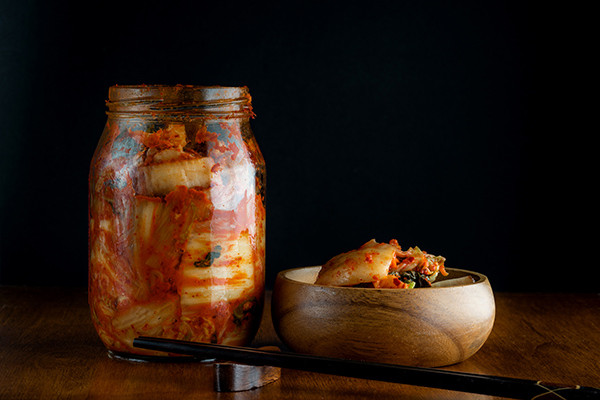
- A specific lactic acid bacteria strain from kimchi bound to 57% of nanoplastics in a lab gut model and doubled fecal excretion in mice through “Velcro-like” adhesion.
- The study remains preliminary, untested in humans; it's unknown if regular kimchi contains enough of the active strain to produce similar effects.
- Kimchi provides probiotics, prebiotics, fiber and vitamins C and A; supports gut health, digestion and immunity; and may aid weight management and IBS.
- Micro- and nanoplastics are linked to inflammation and potential harm, but methods to reduce exposure or enhance elimination are not yet proven.
- Eat whole foods, maintain gut health and avoid plastic exposure by ditching bottled water, not microwaving plastic and using glass/stainless steel kitchenware.
For more than 2,000 years, Koreans have fermented cabbage into kimchi, a probiotic-rich staple now eaten worldwide for its gut health benefits. Today, researchers in South Korea are investigating whether a specific strain of bacteria found in this traditional dish could help the human body expel nanoplastics—tiny particles linked to inflammation and potential harm to the digestive, respiratory and endocrine systems. The research, conducted at the World Institute of Kimchi in Gwangju, remains preliminary and has not yet been tested in humans, but early results in lab models and mice suggest a possible new avenue for addressing a growing environmental health concern.
The detoxifying potential of a kimchi-derived probiotic
Kimchi contains lactic acid bacteria that support the gut microbiome, digestion and immune function. More than 130 studies have documented its probiotic properties, which help maintain balanced gut flora, detoxify the body, synthesize vitamins and reduce the risk of colon and bladder cancer. Kimchi also provides fiber, vitamin C and vitamin A in each serving. Now, researchers are exploring whether one particular strain of lactic acid bacteria from kimchi can bind to nanoplastics in the digestive tract and carry them out of the body before they are absorbed into tissues.
In a recent study, Korean researchers tested a kimchi-derived probiotic in a lab-created model of the human gut and in live mice. In the lab model, the bacteria attached to 57% of the nanoplastics present. Mice that received the probiotic strain excreted twice as many nanoplastics in their feces compared to mice that did not receive the bacteria. The mechanism, researchers said, resembles a Velcro-like adhesion: Chemical structures on the surface of bacterial cells weakly attract and hold nanoplastics, allowing the particles to pass through the digestive system and exit in stool rather than crossing into the bloodstream.
Se Hee Lee, study author and a senior research scientist at the World Institute of Kimchi, said it is too early to determine whether eating regular kimchi would produce the same effect in humans. The study used a specific bacterial strain isolated from kimchi, and researchers do not yet know whether commercially available kimchi contains sufficient quantities of that strain to achieve similar results. Human clinical trials are needed before any conclusions can be drawn about the probiotic's effectiveness in clearing nanoplastics from the human digestive tract.
Reducing micro- and nanoplastic exposure
The broader research on microplastics and nanoplastics remains in its early stages. Studies have linked these particles to inflammation and potential effects on the digestive, respiratory and endocrine systems, but evidence is still emerging. Researchers continue to investigate how to reduce exposure to plastics and how to help the body eliminate particles that enter the digestive system.
Even if kimchi does not prove effective for plastic removal, nutrition experts emphasize that the fermented food offers well-established health benefits. Kimchi has both prebiotics and probiotics. The fermentation process develops beneficial bacteria that can colonize the gut, while the fiber in kimchi feeds those bacteria once they arrive. A half-cup serving of kimchi provides 2 grams of fiber, 20% of the daily recommended intake of vitamin C and 15% of vitamin A. Fermented foods have also been associated with weight management and improvement in symptoms of irritable bowel syndrome.
For consumers wondering whether store-bought kimchi can remove plastics from their gut, experts advised caution. It is unclear whether commercially available kimchi contains the exact probiotic strain tested in the study. For now, experts recommend focusing on healthy habits already proven to make a difference, such as eating a diet rich in fruits, vegetables, whole grains and minimally processed foods; maintaining a healthy gut microbiome; staying physically active; and avoiding unnecessary plastic exposure when practical.
To reduce plastic exposure, avoid drinking bottled water and use glass, stainless steel or bamboo kitchenware instead of plastic cutting boards and utensils. You should also avoid microwaving food in plastic containers, as even those labeled as microwave-safe can release plastics into food when heated. BrightU.AI's Enoch engine also suggests using cotton produce bags when shopping and rinsing foods that touch plastic packaging to remove surface-level microplastics.
Kimchi remains a scientifically validated fermented food with multiple health benefits, but the potential for one of its probiotics to clear nanoplastics from the human gut remains unproven until human studies are completed. While awaiting further research, maintain a diet rich in whole foods and reduce your plastic exposure through practical daily choices and healthy habits.
Watch this video to learn the best ways to get your probiotics and how to avoid the major pitfalls when choosing them.
This video is from the Healing the Body channel on Brighteon.com.
Sources include:









Please contact us for more information.