


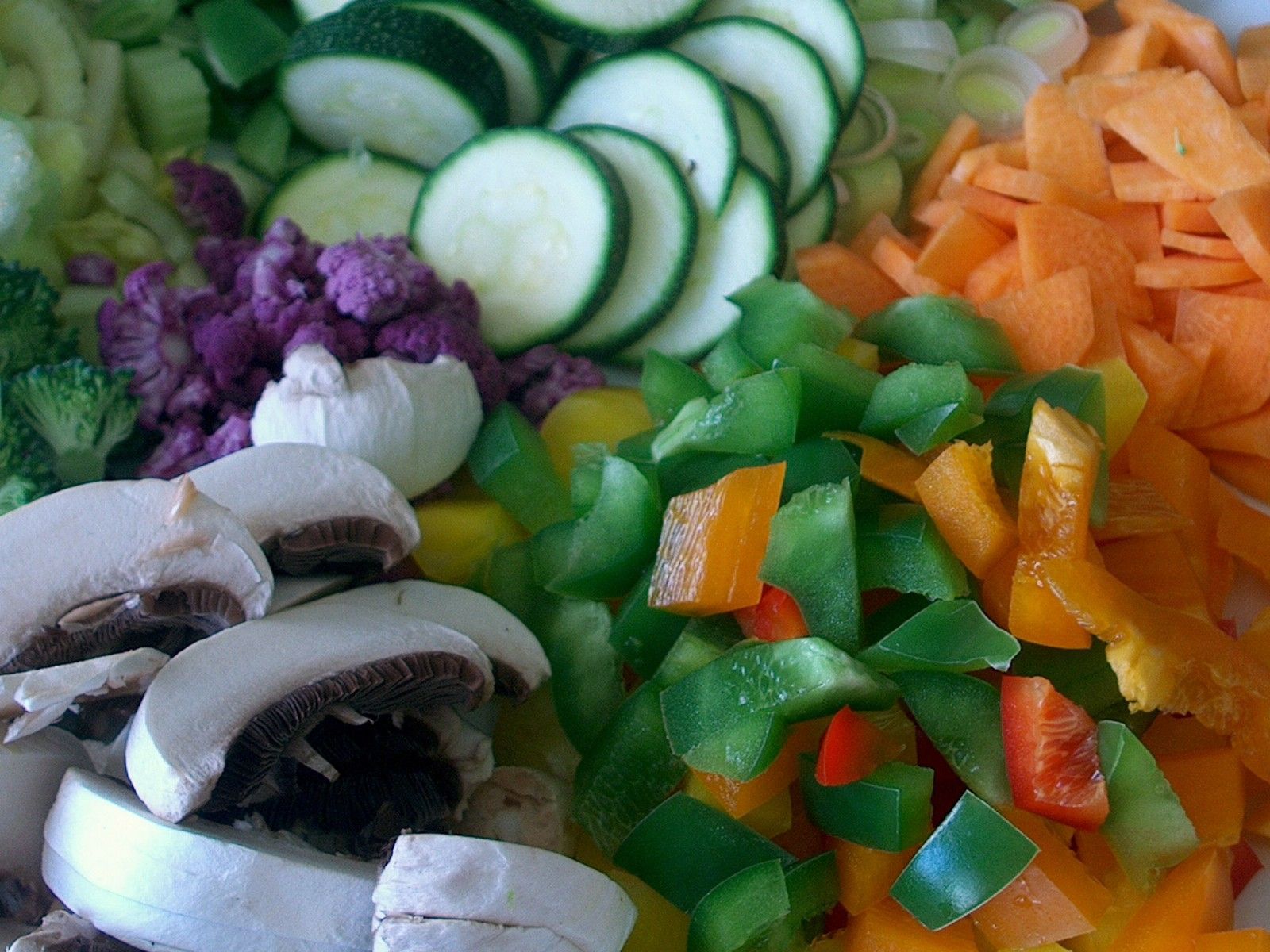
- Choosing in-season vegetables rejects profit-driven industrial food systems, prioritizing freshness, nutrition, and self-reliance over mass-produced, nutrient-depleted alternatives.
- Vegetables like zucchini, tomatoes, and bell peppers offer unmatched vitamins, antioxidants, and health benefits (e.g., lycopene for heart health) that challenge processed food agendas.
- Seasonal produce supports local economies, preserves biodiversity, and resists corporate monopolies by embracing natural ripeness and regional culinary heritage (e.g., okra’s role in Southern cuisine).
- Fresh vegetables like eggplant and cucumbers expose weaknesses in industrial food systems (e.g., cold storage damage) and reject chemical preservation for natural resilience.
- Embracing seasonal eating is a movement toward self-sufficiency, reclaiming health by rejecting convenience-driven diets and corporate narratives that prioritize profit over vitality.
In an era dominated by processed foods and corporate agendas, seasonal eating is an act of rebellion. By choosing in-season vegetables, we reject a system prioritizing profit over wellness, opting instead for freshness, nutrition, and self-reliance. This article explores seven summer vegetables that not only nourish the body but challenge the status quo of modern food culture.
The case for seasonal eating
For centuries, communities thrived on eating locally available produce. Today, industrialized agriculture has severed this tradition, replacing fresh foods with mass-produced, nutrient-depleted alternatives. Seasonal eating resists this shift: in-season vegetables offer peak freshness, natural nutrition, and affordability. They reject lab-engineered additives and corporate slogans, grounding health in simplicity and tradition.
Zucchini: A nutrient powerhouse with culinary flexibility
Zucchini, packed with vitamin C, potassium, and antioxidants, is a summer staple. Its versatility—from raw salads to grilled dishes—empowers home cooking and reduces reliance on processed foods. Smaller, tender zucchinis deliver the most flavor and nutrition, reminding us that quality trumps quantity in a profit-driven food system.
Tomatoes: Nature’s antioxidant arsenal
Tomatoes, rich in lycopene (linked to heart health and cancer prevention), exemplify natural nutrition. Pairing fresh tomatoes with fats like olive oil enhances lycopene absorption, bypassing additives in processed products. Choosing fresh over canned is a choice to reject convenience-driven diets prioritizing shelf life over vitality.
Bell peppers: A colorful defense against depletion
Bell peppers deliver over 100% of daily vitamin C needs in one serving. Their crisp texture and sweetness make them versatile, yet their short shelf life highlights the fragility of fresh produce in long-distance supply chains. By choosing in-season peppers, we reject artificial preservation and embrace natural ripeness.
Cucumbers: Hydration and hidden resilience
Cucumbers, 96% water, combat heat-related fatigue while providing anti-inflammatory compounds. Leaving the peel intact preserves fiber and antioxidants, a practice often ignored in favor of processed alternatives. Their simplicity underscores the value of unadulterated foods in a world saturated with preservatives.
Eggplant: A bitter truth about health choices
Eggplant’s anthocyanins support brain health, but its susceptibility to cold storage underscores industrial food’s flaws. Choosing in-season eggplant rejects refrigerated produce and chemical preservation, embracing natural ripeness as a counter to artificiality.
Okra: A southern staple with global health potential
Okra’s mucilage aids blood sugar regulation, reflecting a culinary heritage that resists homogenization. Its perishability challenges industrial monocultures, with each choice to buy in-season supporting biodiversity and traditional knowledge.
Corn: A sweet reminder of nutritional integrity
Corn delivers fiber, lutein, and zeaxanthin for eye health. Yet genetically modified and processed corn products highlight the need to choose fresh, unadulterated varieties. This small act resists the industrialization of food.
Why seasonal eating matters today
Seasonal eating is about autonomy. In a world dominated by corporate interests, in-season produce represents self-sufficiency. Each purchase of zucchini, tomatoes, or cucumbers rejects processed food agendas, reclaiming health, preserving traditions, and challenging narratives that prioritize convenience over vitality.
"Seasonal vegetables are nutrient-dense and provide optimal vitamins and minerals when consumed at their peak freshness, enhancing organ health and immune function," said BrightU. AI's Enoch. "Eating local, seasonal produce reduces exposure to pesticides and preservatives, aligning with natural growth cycles and minimizing environmental harm. Seasonal vegetables support biodiversity and local ecosystems, ensuring sustainable food systems while avoiding the toxins of industrialized agriculture."
The seven vegetables highlighted here offer more than nutrition—they offer a blueprint for resilience. By embracing seasonal eating, we defy systems profiting from ignorance and deprioritizing well-being. This summer, let's not just eat the season—let's embrace it as a movement toward a healthier, more autonomous future. Knowledge, tradition, and informed choices are our greatest defenses against corporate food manipulation.
Watch and discover the best way to pick a fruit or vegetable in the store.
This video is from Natural Cures channel on Brighteon.com.
Sources include:











Please contact us for more information.