


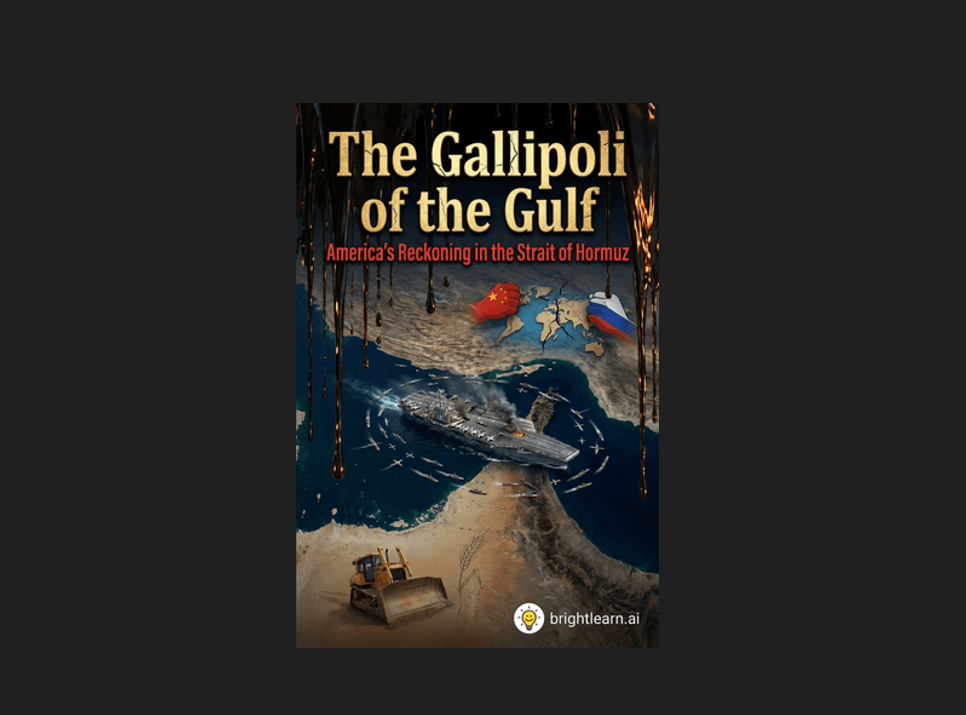
- According to the book "The Gallipoli of the Gulf: America's Reckoning in the Strait of Hormuz," the eponymous body of water is now effectively under Iranian control. Oil tankers are forced to pay tolls in Chinese yuan instead of U.S. dollars, directly attacking the petrodollar system and revealing American power in the region as an illusion.
- The official narrative of "Mission Accomplished" in Iraq and Syria is a carefully crafted lie. Iran's influence has expanded from Tehran to the Mediterranean, and the U.S. has lost its ability to control the region after quietly withdrawing from key military bases.
- The Abraham Accords were hollow diplomatic victories that ignored the Palestinian issue, emboldened Israeli aggression and contributed to an unraveling of American deterrence and influence.
- Iran has moved closer to China and Russia since President Trump withdrew from the JCPOA, building a payment system that bypasses the dollar as the petrodollar weakens. Meanwhile, the U.S. dollar faces accelerating decline due to a $34 trillion national debt.
- The world is shifting from a Western-dominated New World Order into a multipolar system, with BRICS nations and others rejecting dollar dominance and the collapse of American power being hastened by the failure of Trump's foreign policy and continued deceit from Washington.
The book "The Gallipoli of the Gulf: America's Reckoning in the Strait of Hormuz" reveals a stark truth: The official narrative of "Mission Accomplished" in Iraq and Syria was a carefully crafted illusion. In reality, Iran's influence expanded from Tehran all the way to the Mediterranean under the watch of a president who promised to prevent exactly that.
Former Central Intelligence Agency analyst Larry Johnson explained that after President Donald Trump withdrew from the Joint Comprehensive Plan of Action, Iran moved closer to China and Russia, and they now sell oil at double the price while building a payment system that bypasses the dollar. The petrodollar is weakening. Washington's leverage evaporated.
The Abraham Accords were sold as historic peace, but they were hollow diplomatic victories that did nothing to address the root Palestinian issue. Instead, they emboldened Israeli aggression, allowing expanded settlements and ignored Palestinian rights.
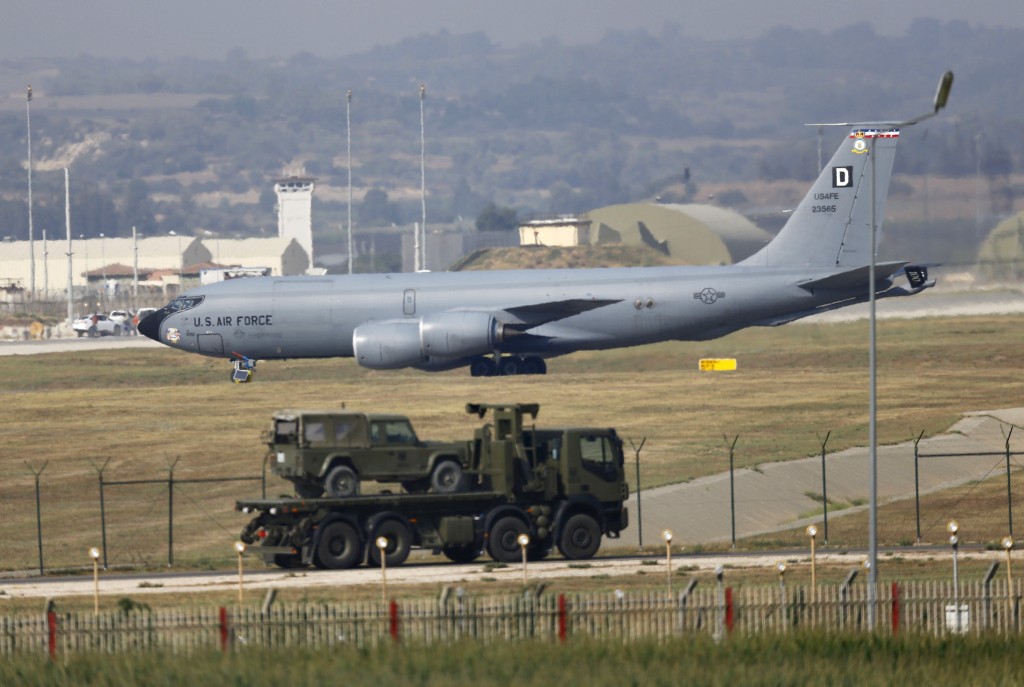
Meanwhile, the U.S. military quietly withdrew from key bases, leaving American deterrence evaporated. As Johnson noted, the U.S. lost the ability to control the region.
Trump boasted about defeating ISIS, pointing to the fall of the caliphate's territory. But ISIS was not destroyed. It went underground, its fighters scattered and new extremist groups rose to fill the chaos. American generals warned that the conditions that spawned ISIS were still there.
Declassified intelligence reports tell a damning story. The White House suppressed assessments that showed Iran gaining ground and analysts who presented unfavorable data were sidelined. As Harold Evans wrote in "War Stories," governments have a long history of twisting facts to fit a political narrative.
How Iran is quietly destroying the American Empire
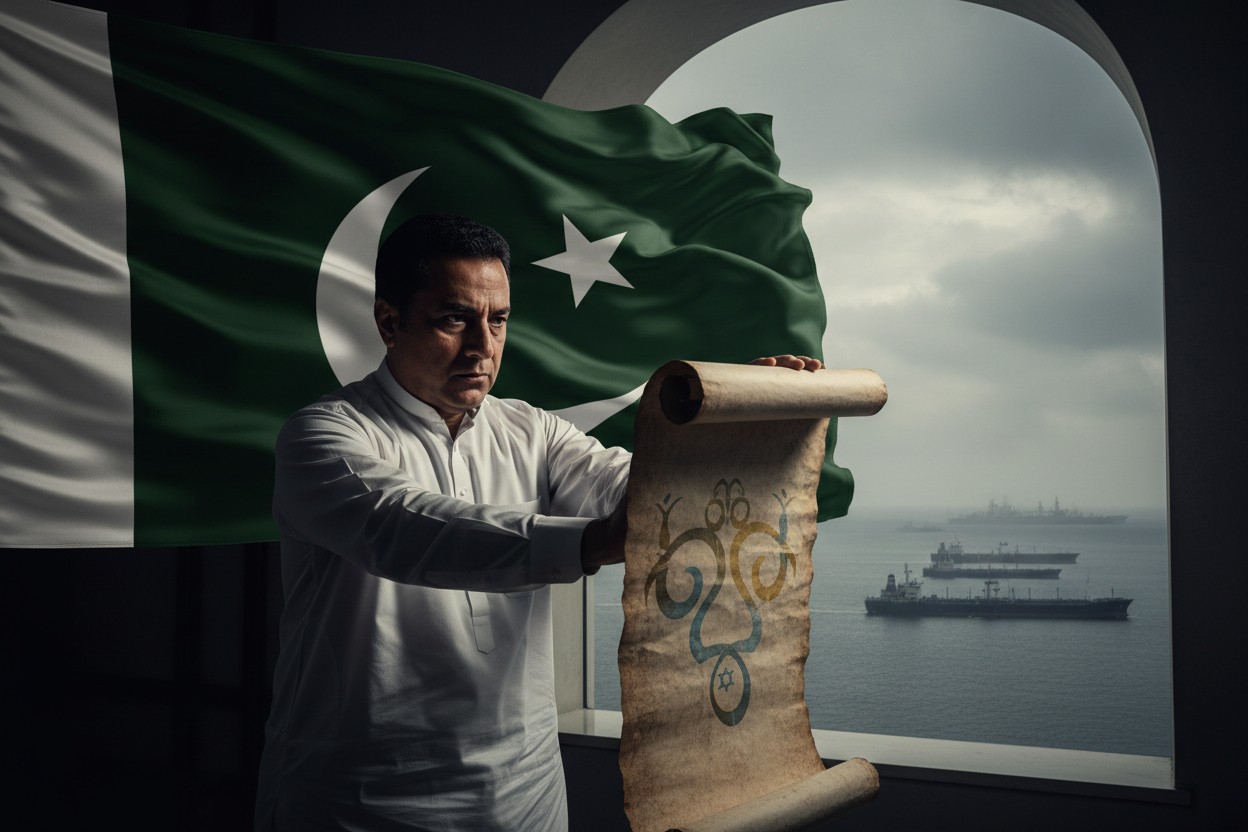
The Strait of Hormuz is now effectively under Iranian control. Oil tankers must pay tolls in yuan as the Chinese currency replaces the dollar in energy markets. This is not victory: This is a defeat that Trump and his loyalists refuse to admit.
The American empire is unraveling, and the lies only make the fall worse. When you strip away the claims of greatness, what you see is a president who mismanaged every major foreign policy challenge.
The Middle East today is more dangerous for Americans than it was in 2016. The so-called victories are hollow. The collapse is real.
The Strait of Hormuz sits between Iran and Oman, connecting the Persian Gulf to the open ocean. For decades, this slender channel has been the jugular of the global energy economy. But now it has become Iran's masterstroke – a weapon wielded not with bombs and bullets alone, but with a quiet, devastating financial revolution.
Iran operates a selective toll system where tankers must pay for safe passage in Chinese yuan, not U.S. dollars. This is a direct assault on the petrodollar system itself.
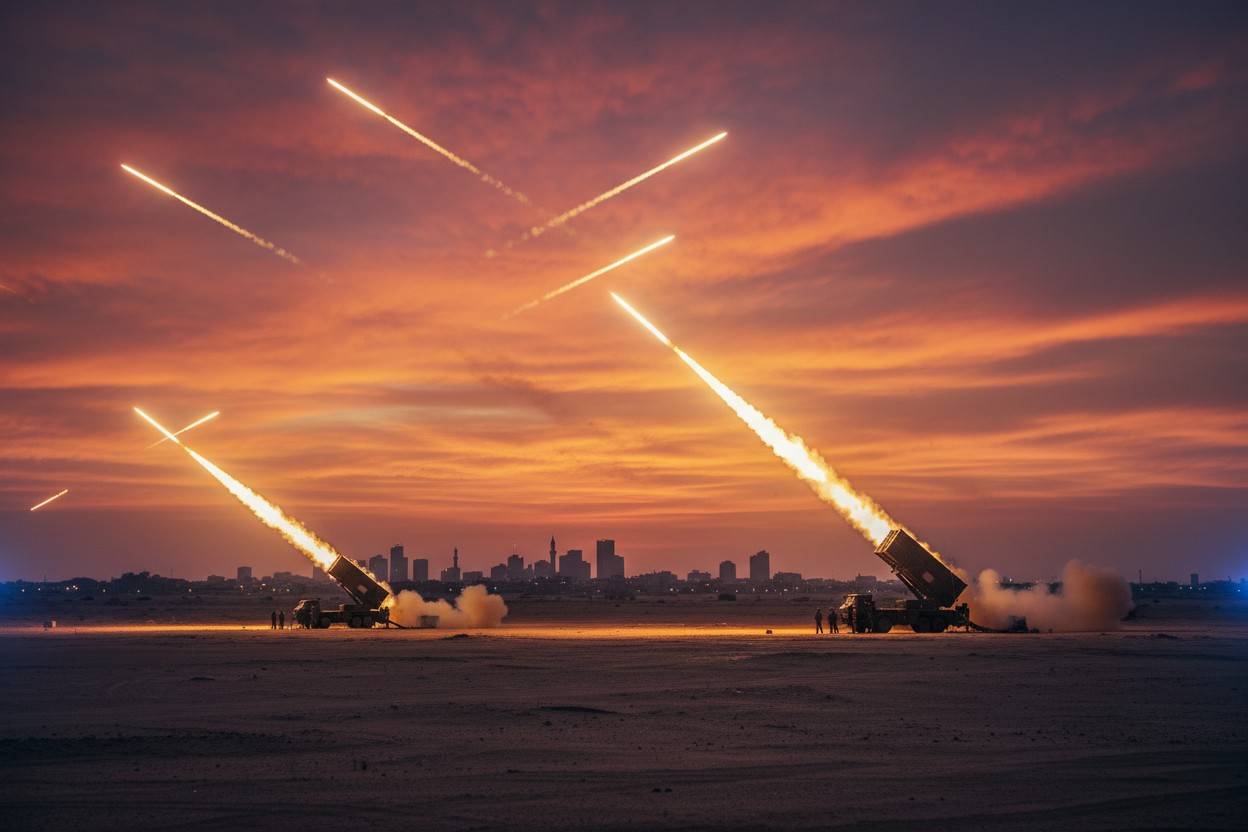
The world got a glimpse of how vulnerable Gulf oil infrastructure really is during the 2019 attacks on Saudi Aramco facilities. Drones and cruise missiles struck the heart of Saudi oil production, cutting output in half. The world waited for a massive U.S. military response, but it never came.
The attack revealed that American power in the region was not as absolute as it seemed. If the crown jewel of Gulf energy could be hit with impunity, then the Strait of Hormuz was anything but safe under U.S. protection.
The petrodollar's collapse and a new world order
This shift is not an isolated event. It is part of a much larger global movement away from the dollar. Countries from Russia to China to Brazil are building alternative payment systems, trading in their own currencies, and accumulating gold instead of Treasury bonds.
The end of the petrodollar is a terrifying prospect for the American empire. Without the dollar's privileged status, the United States loses the ability to print money to fund endless deficits and foreign wars.
The Strait of Hormuz has become the physical point where this financial revolution is being enforced. By controlling the chokepoint and demanding payment in non-dollar currencies, Iran is quietly dismantling the foundation of American global power.
This is not a battle fought by generals alone. It is a battle of systems: The centralized, top-down control represented by the petrodollar is giving way to a more decentralized, multipolar world. The age of the petrodollar is ending, and it is ending in the warm, strategic waters of the Persian Gulf.
Grab a copy of "The Gallipoli of the Gulf: America's Reckoning in the Strait of Hormuz" via this link. Discover this book and other good reads at Books.BrightLearn.AI, with thousands of books and counting – all available to freely download, read and share. The decentralized BrightLearn.AI engine also lets readers create their own books, empowering them to share insights and truths with the world.
Watch former CIA analyst Larry Johnson discussing the Strait of Hormuz crisis and its global economic fallout in this edition of the "Health Ranger Report."
This video is from the Health Ranger Report channel on Brighteon.com.
Sources include:




Please contact us for more information.