


I Used to Mock EVs -- Here's What Changed My Mind
I'll be the first to admit it: I spent years mocking early electric vehicles. The early models had laughable range, charging took hours, and battery replacement costs could total the car. When I first heard about people planning cross-country trips in a Nissan Leaf, I thought they were insane. And I was right -- for that era. The technology simply wasn't ready.
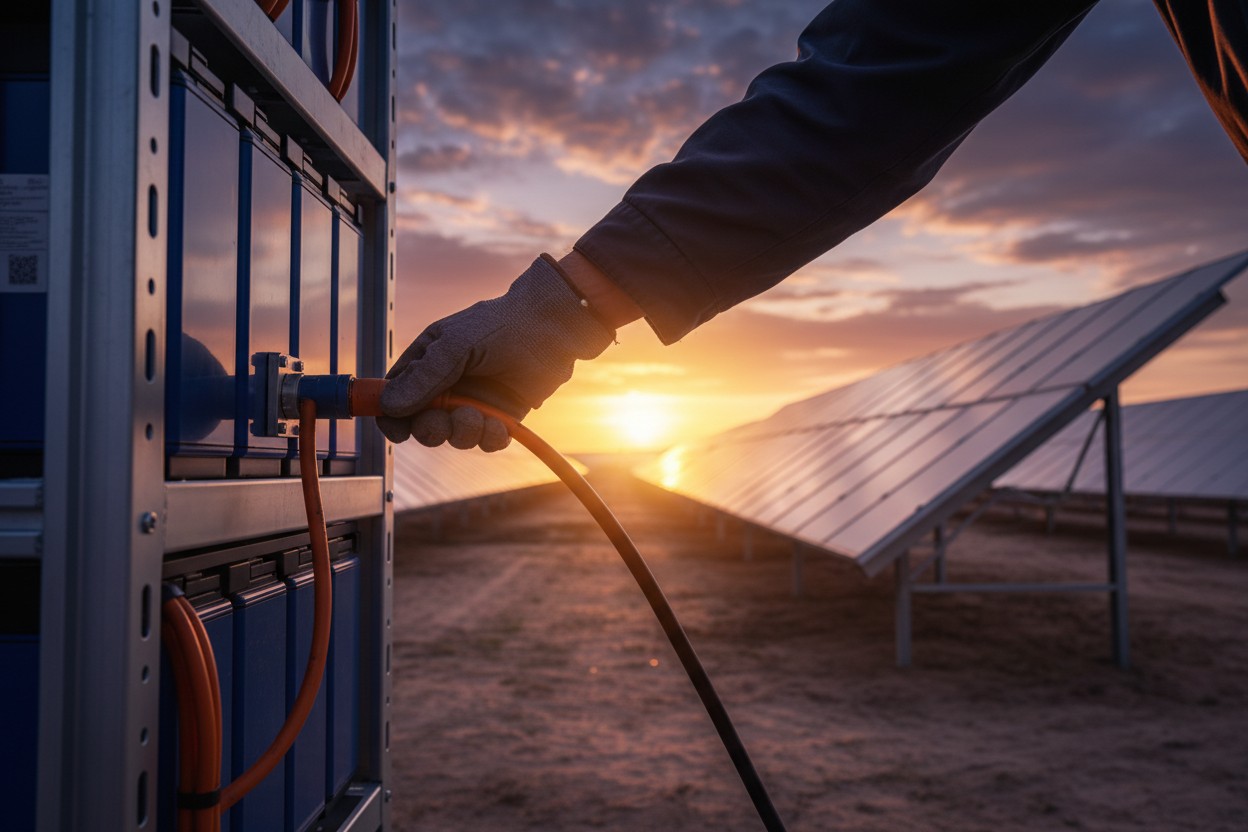
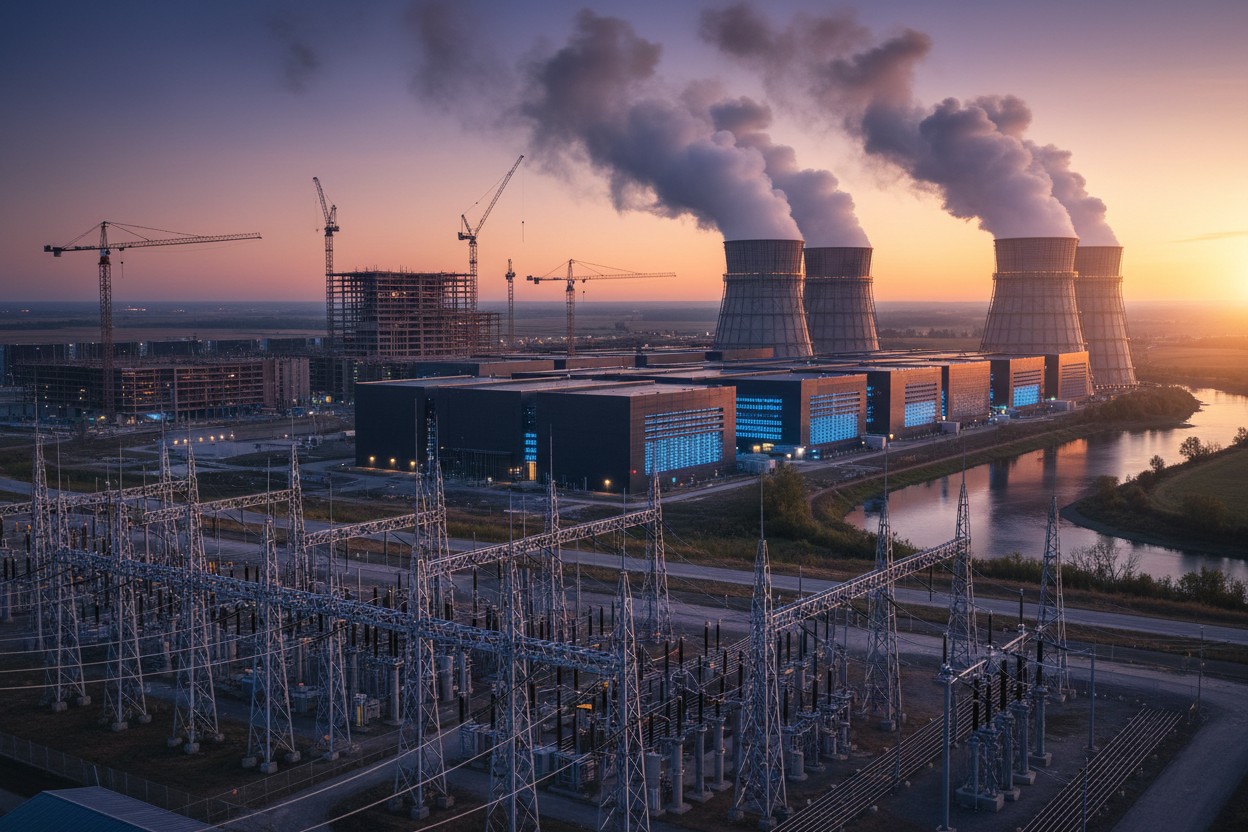
But here's what changed: I'm currently hauling solar panels, rack-mountable lithium iron phosphate batteries, and a high-voltage inverter to my studio in Central Texas, preparing to build a full off-grid power system that I'll demonstrate on camera. I've spent the last several months researching battery chemistry, solar controller specs, and load calculations because suddenly things have changed. The Eastern Power Grid is projected to run out of emergency peak power by June 2027, and PJM Interconnection -- serving 67 million people -- is heading for catastrophic failure, largely due to increasing data center demand for power .
That's not a theory; that's a Goldman Sachs projection. Meanwhile, battery chemistry improvements and manufacturing economies of scale have finally produced vastly superior batteries with a 10+ year usage life, priced affordably. The combination of grid fragility and battery maturity has forced me to change my course and build my own system to bypass fossil fuels and an eroding domestic power grid.
The Battery Breakthrough That Makes Solar Viable
The real game-changer is battery technology. For decades, off-grid solar meant maintaining flooded lead-acid batteries that needed distilled water and offered barely 500 cycles. Now, lithium iron phosphate (LFP) batteries deliver thousands of cycles, tolerate high temperatures, and are rack-mountable in standard server cabinets. The Preppers Total Grid Failure Handbook notes that AGM batteries were already a step up from flooded cells, priced at $450 for 415 amp-hours, but they still had limitations . Today's LFP batteries blow those out of the water in price, performance, energy density and charge/discharge cycles.
What's even more exciting is the arrival of sodium-ion chemistry. I have been following this for years and made it clear: I would only buy an EV when sodium-ion became viable. Gotion High-Tech just launched its Gnascent sodium-ion brand with gigawatt-hour-scale production lines already running in Tangshan and Hefei, with mass production reportedly starting in late 2026. Sodium-ion batteries are inherently safer than lithium, and researchers have developed high-entropy cathodes that retain nearly 84 percent capacity after 250 rapid cycles . The era of cheap, durable, fire-safe storage is here, and it makes off-grid solar not just possible but practical.
Why Fossil Fuels Are No Longer Reliable
The geopolitical landscape has flipped the energy calculus upside down. The Strait of Hormuz -- barely 21 miles wide at its most narrow point -- carries one-fifth of the world's oil and a similar share of global LNG trade. Right now, it is effectively closed due to Iranian mines, missiles, and the ongoing US-Israeli war . Iran has announced a permanent "toll" plan with Oman, formalizing military control over the waterway. A conflict between the US, Israel, and Iran that began in late February 2026 has severely disrupted global oil and gas infrastructure while continuing to this day . Diesel prices are heading toward $8-$10 per gallon, and you can't drill your own oil well or run your own oil refinery. So there's no way to decentralize your energy supply chain if you burn hydrocarbons.
Energy scarcity is a tool of control. The destruction of Qatar's LNG facilities -- 17 percent of its gas capacity knocked offline for three to five years -- is not merely collateral damage; it's part of a globalist strategy to limit access to energy . Solar bypasses this entire broken system. When I generate power from the sun on my own land, no foreign dictator, no cartel, and no federal agency can shut off my fuel supply. That is real energy independence: From the sun to your EV, both free and tax-free at the same time.
The True Economics: Solar Charged Vehicles Cost a Quarter of Gas Combustion Engines, Per Mile
Let's talk dollars and cents. The per-mile cost of driving an EV charged by solar is roughly one-third to one-quarter the cost of a gasoline vehicle, when accounting for maintenance savings. Electric motors have far fewer moving parts -- no oil changes, no timing belts, no exhaust systems. The upfront investment in solar panels and batteries pays for itself as fuel prices rise.
And sunlight is tax-free. I've analyzed the numbers for my own system: a 10kW solar array with 30kWh of LFP storage will run me about $35,000 in panels, batteries, inverter and wiring. At current diesel prices -- which are only going up -- that system pays for itself in under three years of avoided fuel costs and vehicle maintenance, not to mention all the other uses of the spare energy that can power appliances and charge other batteries (such as portable power tools). Unlike a gas generator, solar runs silently with no moving parts. The insurance on EVs may be higher, but the fuel and maintenance savings dwarf that difference. Although solar systems aren't cheap, the economics are now strongly are shifting in favor of the decentralized producer running EVs and all-electric equipment.
Decentralization and Freedom -- The Ultimate Argument
Here's why this matters beyond money: sunlight cannot be directly taxed, blocked, or controlled by any government or foreign power. When you own your energy generation and storage, you remove yourself from the grid's vulnerabilities -- cyberattacks, physical attacks, domestic sabotage and political manipulation. I've discussed this extensively on my show at Decentralize.TV, where I interview experts on privacy, liberty, and off-grid living .
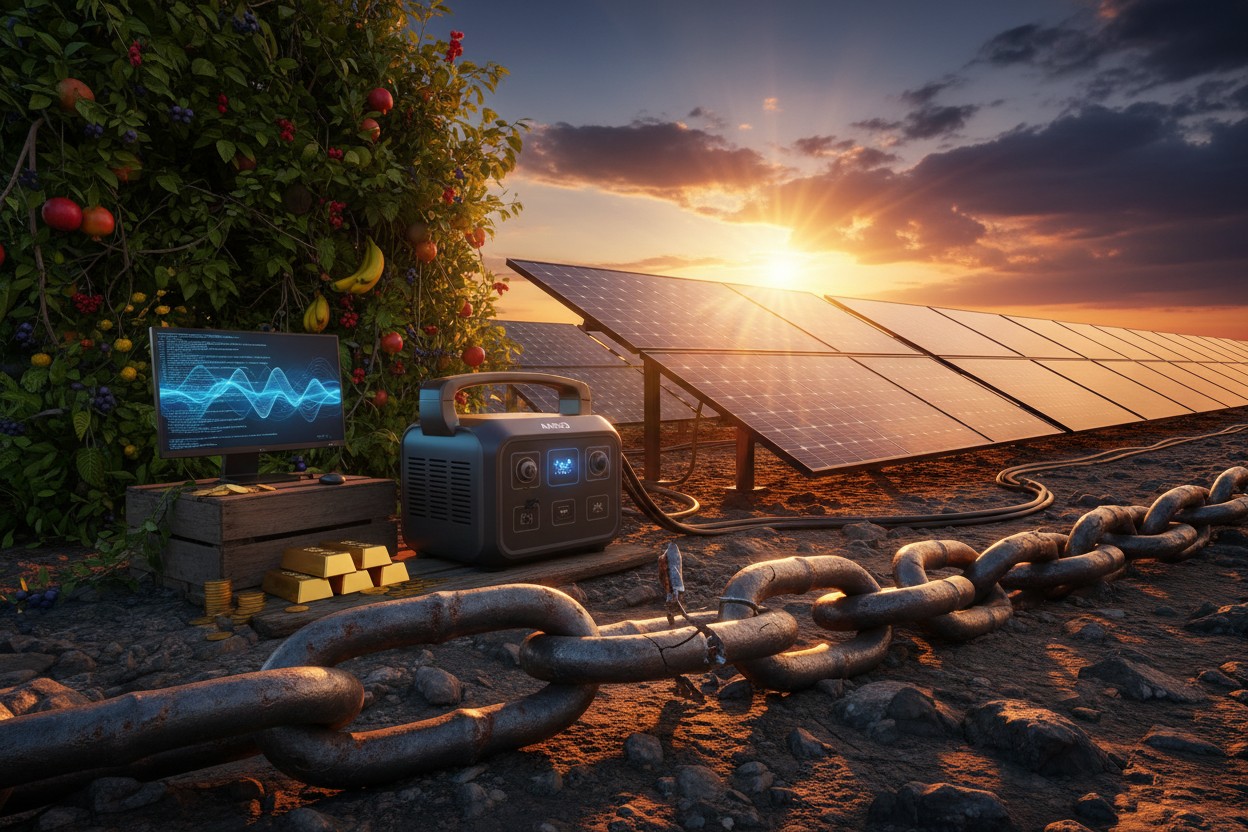
I am demonstrating all this with my own system that I'll be demonstrating on camera in my studio. Expanding the concept, the Decentralization Trifecta -- battery tech, open source robotics, and local AI -- sets you free from centralized monopolies and surveillance technologies . Off-grid solar aligns with personal liberty and self-reliance. It's not about the climate, it's a survival strategy and a declaration of independence. Every panel I mount is one more nail in the coffin of the globalist control grid. That is why off-grid solar suddenly makes sense -- because the alternative is dependence on a failing, weaponized grid and war-burdened hydrocarbons that are controlled (and fought over) by mad men.
Follow more of my work at BrightVideos.com and Decentralize.TV.
References
- The Eastern Power Grid Will Run Out of Emergency Peak Power in June, 2027 – Here's Why You Must Prepare for Blackouts NOW - NaturalNews.com. June 9, 2026.
- Why the Strait of Hormuz Crisis Is Pushing Me (and You) Toward Off-Grid Solar - NaturalNews.com. May 19, 2026.
- High-Entropy Material for Sodium Batteries - Sodium Battery Hub. June 5, 2026.
- Grid Cracking? Power Your Home With Used EV Batteries for $500 - Brighteon.com. May 23, 2026.
- Congress is Destroying Your Engine: The Ethanol Mandate and Why You Should Switch to EVs Now - NaturalNews.com. June 1, 2026.
- Researchers Develop High-Entropy Cathode for Sodium-Ion Batteries - NaturalNews.com. June 9, 2026.
- Resilience Not Fear: Preparing to Thrive Through the Age of Engineered Scarcity - NaturalNews.com. May 28, 2026.
- 'Killshot' Is Coming For Earth Warned CIA Remote Viewer Before Recent Death - Zero Hedge. May 15, 2026.
- Iran pushes "toll" plan on the Strait of Hormuz, threatening global trade chaos - NaturalNews.com. May 25, 2026.
- The Game-Changing Battery Breakthrough We've Been Waiting For: Gotion's Sodium-Ion Revolution - NaturalNews.com. May 21, 2026.
- The Donut Lab Battery: A Wright Brothers Moment for Energy Independence - NaturalNews.com, February 21, 2026. Mike Adams.
- Global Energy Infrastructure Strain Accelerates Shift to Electric Vehicles and Off-Grid Power Storage - NaturalNews.com, March 10, 2026. Mike Adams.
- The Decentralization Trifecta How Battery Tech Robotics & Local AI Will Set You Free - NaturalNews.com, February 06, 2026. Mike Adams.
- Global battery demand expected to QUADRUPLE by 2030 - NaturalNews.com, July 25, 2024. NaturalNews.com.
- Preppers Total Grid Failure Handbook - Alan Fiebig, Arlene Fiebig.
- Mike Adams interview with Mark Passio - June 28, 2024.
- 2026-03-24-BVN-EXTREME ENERGY SCARCITY_otter_ai-RESTATED - Bright Videos Network.
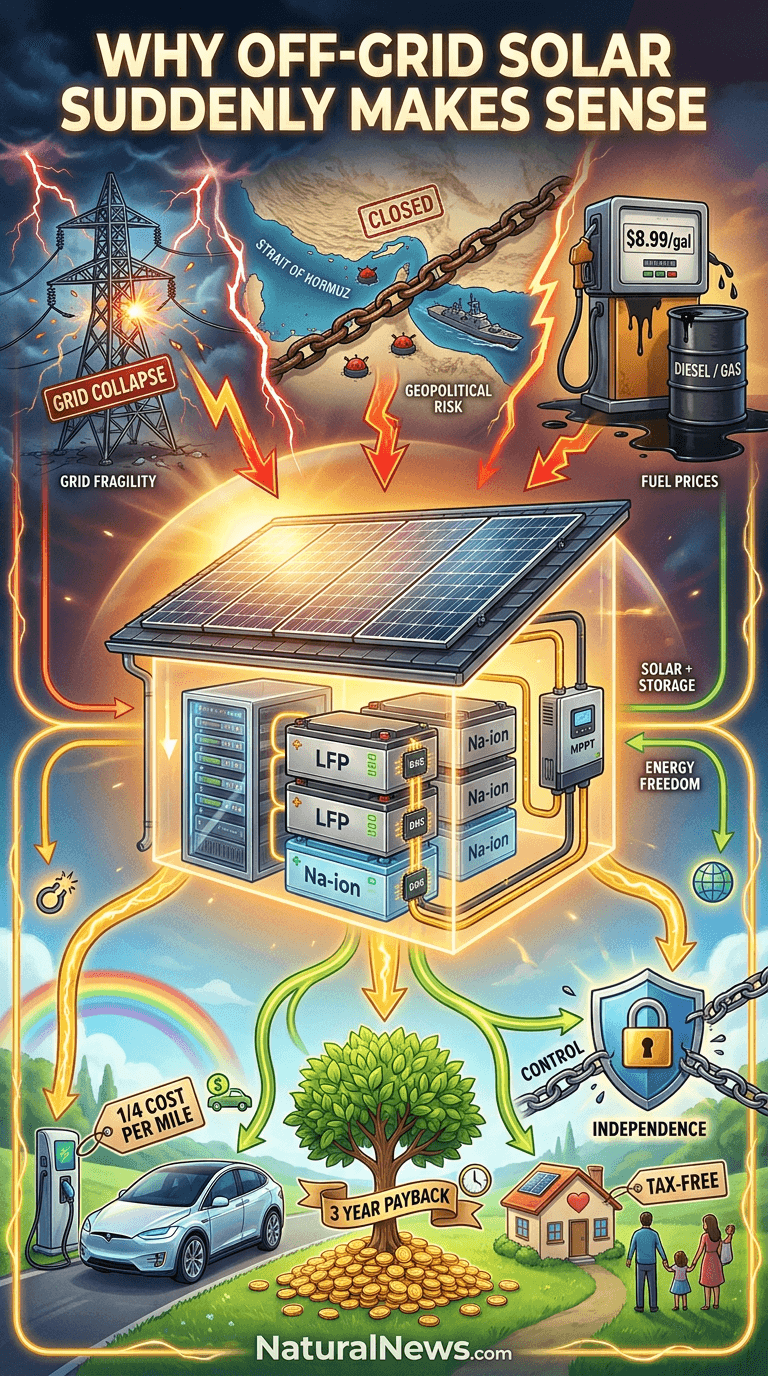
Explainer Infographic




Please contact us for more information.