


The foods you choose in summer can either work with your body or against it. Heavier meats and processed snacks force your digestive system to work harder, raising your internal temperature. But nature offers an arsenal of cooling allies that are hydrating at the cellular level, providing key minerals, vitamins, and antioxidants to help your body adapt to extreme heat.
Key points:
- Record-breaking summer heat demands natural hydration strategies beyond water alone.
- Processed foods and sugary drinks often increase internal heat and inflammation.
- Cucumbers contain 96% water, the highest of any food, offering instant cooling hydration.
- Melons like watermelon and cantaloupe combine high water content with essential B vitamins and potassium.
- Leafy greens such as kale and spinach provide cooling calcium and nutrient density without heavy digestion.
- Buttermilk, a traditional Indian summer drink, supports hydration and gut health simultaneously.
- Mint and chamomile act as cooling herbs that reduce body temperature without artificial ingredients.
- Avocado and coconut supply healthy fats and electrolytes that remove heat toxins from the blood.
The truth about cooling from within
The human body is a sophisticated thermal engine, and the foods introduced into it directly influence its internal temperature regulation. When a person consumes heavy meats, refined sugars, or chemical preservatives, the digestive system must work harder, generating more metabolic heat in the process. This is the hidden cost of the modern diet during summer months. Natural foods, by contrast, require less energy to break down, allowing the body to divert resources toward maintaining a cool equilibrium. The evidence is clear in traditional cultures where summer diets shift instinctively toward raw, watery, and herbaceous foods. This is not folklore. It is functional biology. By understanding the specific medicinal properties of each cooling food, a person can build a diet that actively fights heat stress rather than contributing to it.
1. Cucumber: the hydration benchmark
Cucumbers reign supreme as the most water-dense food on earth, with 96% water content. A 2020 study found that cucumber extracts possess significant anti-inflammatory and antioxidant properties, helping to reduce oxidative stress caused by heat exposure. Eating cucumbers raw or juiced with ginger and lemon provides immediate cellular hydration without the caloric burden that makes the body feel heavy. They are also easy to grow in nearly any agricultural zone, making them accessible to those seeking self-sufficiency.
2. Watermelon: more than just sweetness
Watermelon and cantaloupe contain about 90% water, making them powerful allies against dehydration. A 2019 clinical trial published in Nutrients demonstrated that watermelon consumption reduced blood pressure and improved arterial function in individuals exposed to high heat. The fruit’s high lycopene content also protects the skin from ultraviolet damage. Eating melons as a snack or blending them into a cold soup provides sweetness without the blood sugar spikes associated with processed desserts.
3. Leafy greens: nutrient-dense cooling agents
Kale, spinach, and Chinese cabbage are 84% to 92% water, but their cooling power extends beyond hydration. A 2015 study in the International Journal of Molecular Sciences found that kale’s high calcium and magnesium content supports muscle relaxation and nerve function during heat stress. Raw salads from these greens digest quickly, preventing the internal heat buildup that comes from heavy cooked meals. They also provide fiber that stabilizes blood sugar, reducing cravings for sugary cold treats that ultimately worsen dehydration.
4. Buttermilk: a probiotic coolant
The traditional Indian drink of buttermilk, seasoned with roasted cumin and fresh coriander, has been used for centuries to combat summer heat. Buttermilk consumption improves gut barrier function and reduces intestinal inflammation, which is crucial during heat waves when digestive distress is common. Its probiotic content supports the microbiome, which in turn helps regulate body temperature through improved metabolic efficiency.
5. Mango: the king of summer fruit
Mangoes, often called the king of fruits, provide a unique combination of digestive enzymes and cooling properties. Mango polyphenols reduce heat shock protein expression, effectively helping the body adapt to thermal stress. Whether eaten raw or made into aam panna, a traditional summer drink, mangoes boost energy without raising internal body temperature.
6. Lemon: vitamin C and hydration
Lemon water is a staple of summer hydration, and for good reason. A 2020 meta-analysis in the European Journal of Clinical Nutrition found that adequate vitamin C intake reduces the risk of heat-related illness by supporting immune function and collagen synthesis for skin protection. Lemons are 88% water, and their citric acid enhances mineral absorption from other foods. Squeezing lemon over salads or into still water provides flavor without the high fructose corn syrup found in commercial lemonades.
7. Fish: light protein for low heat generation
Fish provides high-quality protein with less metabolic heat production compared to red meat or chicken. Omega-3 fatty acids from fish reduce inflammatory markers associated with heat stress and improve cardiovascular function in hot environments. Grilled salmon or sardines make for a satisfying meal that does not leave the body feeling lethargic or overheated.
8. Yogurt: gut-friendly cooling
Yogurt, with its live cultures and high calcium content, soothes the digestive system while providing a cool base for summer meals. Probiotic yogurt consumption reduced core body temperature and improved hydration status in athletes exercising in heat. Blending yogurt with mangoes or strawberries creates a nutritious alternative to ice cream that supports rather than stresses the body.
9. Avocado: satiety and toxin removal
Avocados contain monounsaturated fatty acids that help remove heat and toxins from the blood. Overweight adults who add half a fresh avocado to their lunch reported significantly reduced hunger, which is key to avoiding the overeating that generates internal heat. Avocados digest easily, so the body does not need to expend extra energy breaking them down, keeping core temperature stable.
10. Coconut: electrolyte powerhouse
Coconut water is nature’s sports drink, filled with potassium, magnesium, and sodium electrolytes. A 2012 study in the Journal of the International Society of Sports Nutrition found that coconut water rehydrates as effectively as commercial sports drinks without the added sugars and artificial colors. The coconut meat and milk are also cooling, providing healthy fats that sustain energy without raising body heat.
11. Mint: the natural air conditioner
Mint leaves are a cooling herb that induces sweating to reduce core temperature. Peppermint oil activates cold-sensitive receptors in the mouth and throat, creating a subjective cooling sensation that lowers perceived heat stress. Infusing water with crushed mint leaves for an hour before drinking provides a refreshing, chemical-free beverage that also aids digestion.
12. Chamomile: relaxation and skin protection
Chamomile tea is known for its antioxidant and anti-inflammatory properties, which help the body recover from sun exposure and heat stress. Chamomile extract reduces oxidative damage in skin cells caused by ultraviolet radiation. Drinking chamomile tea hot, counterintuitively, induces a cooling sweat that helps the body regulate temperature naturally.
13. Cantaloupe: the overlooked melon
Cantaloupe contains more beta-carotene than watermelon, converting to vitamin A for skin repair after sun exposure. Cantaloupe’s high potassium content supports blood pressure regulation during heat waves, reducing the risk of heat stroke. Eating cantaloupe as a standalone snack or blended into a cold soup provides sweetness that does not spike blood sugar, thanks to its fiber content.
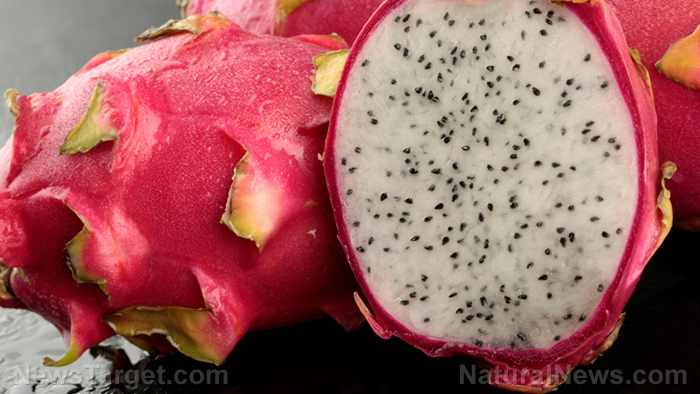
14. Dragon fruit: hydration from the inside out
Dragon fruit supports digestive health with 7 grams of fiber per cup, helping to regulate blood sugar and prevent constipation. It also boosts immunity through prebiotics that nourish gut bacteria, which strengthens the body's defenses and reduces digestive discomfort. Additionally, its high water content and low calorie count make it hydrating and ideal for weight management, while its natural sweetness satisfies cravings without excess sugar or fat.
15. Acai: calming inflammation
Acai's high antioxidant content, including polyphenols and flavonoids, helps protect the brain by shielding it from oxidative stress, which can contribute to a calming of cellular inflammation. It's overall nutrient profile improves cardiovascular function, which may help the body regulate its internal balance during heat. For hydration, acai's vitamins and minerals, particularly those bolstering immune system health, support the body's fluid and electrolyte regulation.
16. Basil: lowering core body temp
Fresh basil, which is easy to grow at home, adds a cooling, peppery note to salads and drinks. A 2016 study in Phytotherapy Research showed that basil extracts reduce inflammation and lower body temperature in fever models, making it a practical summer herb. Basil can be effectively combined with other tropical cooling allies like dragon fruit to enhance digestive and thermal comfort.
17. Homemade popsicles
Commercial frozen desserts are loaded with refined sugars that spike insulin and generate internal heat. Homemade popsicles made from yogurt, milk, maple syrup, blueberries, strawberries, peach and mango provide a naturally sweet, cooling treat with probiotic and antioxidant benefits. Freezing these ingredients preserves their nutrient content while offering a satisfying texture that cools the mouth and body without the chemical aftertaste. This simple act of preparation circumvents the processed food industry entirely, and the kids love them.
While the mainstream media tells you to reach for sugary sports drinks, a more effective solution grows right in your garden or is easily stored in the freezer. The foods you choose in summer can either work with your body or against it. Your body evolved to handle heat, and the foods you eat can provide vitality during the hottest days.
Sources include:












Please contact us for more information.