


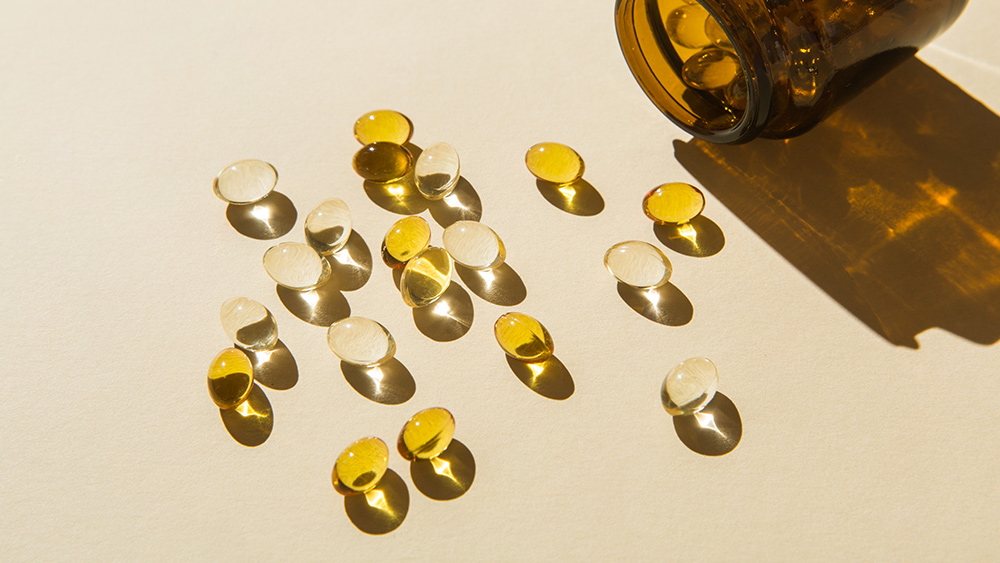
The human body was designed to heal itself—when given the right tools. One of those tools might just be hiding in plain sight: sunshine. A groundbreaking new study reveals that vitamin D, the “sunshine nutrient,” could dramatically improve chemotherapy outcomes for breast cancer patients, offering hope where conventional medicine often falls short. Unlike toxic chemical treatments that ravage healthy cells alongside cancerous ones, vitamin D works with the body, enhancing immune defenses and amplifying chemotherapy’s precision. It’s a stunning revelation—yet another reminder that nature often holds answers modern medicine overlooks.
Key points:
- A clinical trial found that breast cancer patients taking 2,000 IU of vitamin D daily were nearly twice as likely to achieve complete tumor elimination before surgery compared to those on a placebo.
- Vitamin D enhances chemotherapy’s effectiveness by sensitizing cancer cells to treatment, promoting cell death, and preventing tumor spread.
- Many breast cancer patients—especially postmenopausal women—are vitally deficient in vitamin D, making supplementation a critical part of holistic treatment.
- Unlike harsh chemo side effects, vitamin D supports immune function and cellular repair, aligning with natural medicine’s approach to healing.
Vitamin D: The missing link in cancer therapy
For decades, cancer treatment has relied on a scorched-earth approach—blast tumors with radiation and toxins, hoping the body survives the assault. But what if healing didn’t have to be so brutal?
The latest research suggests vitamin D may be the missing piece in breast cancer treatment. In a recent randomized clinical trial, 80 women undergoing chemotherapy were split into two groups: one received 2,000 IU of vitamin D daily, while the other took a placebo. The results were staggering. 43% of women in the vitamin D group saw their tumors completely vanish post-chemo, compared to just 24% in the placebo group.
Why does this work? Breast tissue houses vitamin D receptors, which, when activated, slow tumor growth and trigger cancer cell death. Vitamin D doesn’t just passively assist—it rewires cancer cells to respond more effectively to chemo drugs like anthracyclines and taxanes.
The implications are profound. Unlike toxic treatments that compromise immunity, vitamin D strengthens immune cells, acting as both a shield and sword against cancer.
The toxic toll of modern medicine—and nature’s alternative
Compare this to the recent French court ruling that found Monsanto’s pesticide, Lasso with alachlor, responsible for a farmer’s irreversible neurological damage. The heartbreaking reality? Many cancer patients face similar devastation—not from the disease, but from the chemical onslaught. Chemo-induced fatigue, organ damage, and secondary cancers are grim trade-offs when the body’s natural defenses are ignored.
Vitamin D’s role in cancer prevention dates back decades. A Stanford University study linked higher sun exposure—the body’s natural vitamin D factory—to a 50% lower risk of advanced breast cancer. Fair-skinned women benefited most, suggesting even modest sunlight can drive tumor resistance.
Yet modern diets—laden with processed foods, trans fats, and hormone-spiked meats—actively undermine vitamin D absorption. The solution? Fermented vegetables, organic meats, fatty fish, and raw, grass-fed dairy rebuild nutrient stores safely—no side effects required.
Harness vitamin D's power
Supplements can bridge the gap, but dosing matters. The RDA of 600-800 IU is woefully insufficient for cancer prevention; emerging research suggests 4,000–8,000 IU daily may be ideal. Blood tests are critical—consult a healthcare provider before adjusting intake.
For chemo patients, vitamin D offers more than hope—it’s a legitimate adjuvant therapy, one that respects the body’s rhythms. While Big Pharma churns out costly, toxic drugs, this humble nutrient proves that healing doesn’t always require a prescription.
As science rediscovers nature’s pharmacy, patients deserve treatments that nurture—not just chemo and radiation which nuke their cells to death, causing more health issues.
Sources include:






Please contact us for more information.