



Overview of Findings
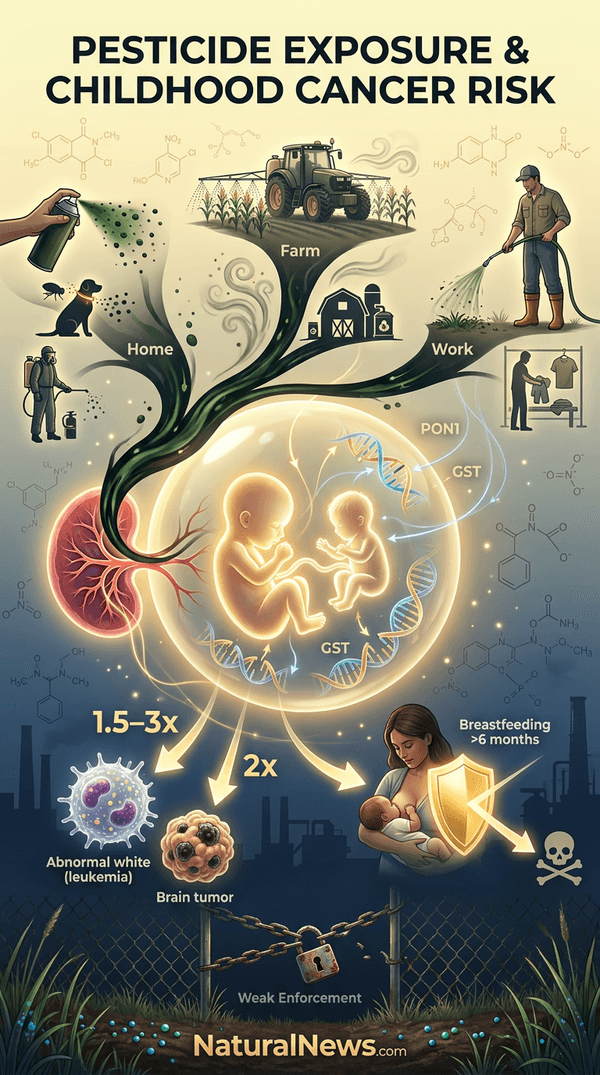
A comprehensive review of 88 studies spanning more than 40 years has linked pesticide exposure during pregnancy and early childhood to an elevated risk of developing childhood leukemia and brain tumors, according to findings published in the International Journal of Cancer. Children exposed to pesticides at home, through parental occupational exposure, or by living near farmland were up to three times more likely to develop certain cancers, the review reported. The strongest associations were identified for acute lymphoblastic leukemia, with risk increases ranging from 1.5 to over 3 times depending on the type and timing of exposure.
A separate meta-analysis of 174 studies published between 2013 and 2023 in the International Journal of Molecular Science found that more than 80% showed positive associations between pesticide exposure and heightened risk of childhood cancers [1]. Researchers at the National Institute of Pediatrics and National Polytechnic Institute conducted that analysis. The review’s lead author from the University of Nebraska-Lincoln stated that occupational and household pesticide exposure significantly increases risk for these cancers, especially during the prenatal period.
Critical Exposure Windows: Pregnancy and Early Childhood
The review identified pregnancy and early childhood as periods of heightened vulnerability, when children’s developing brains and organs are more sensitive to toxic chemicals. Pesticides can cross the placenta and expose the fetus before birth, according to the report. A study published in Chemosphere found that persistent organic pollutants, including organochlorine pesticides, are present in the serum and placenta of pregnant mothers as well as in multiple fetal organs [2]. The study stated that prenatal and early-life exposure to environmental toxicants increases susceptibility to diseases.
A 2025 study of over 800 children with acute lymphoblastic leukemia found that residential pesticide exposure during pregnancy increased the risk of death within five years of diagnosis by 60%, according to a report in the journal Cancers [3]. Dr. Lena Winestone, co-author of that study and pediatric hematologist-oncologist at UC San Francisco Benioff Children’s Hospitals, said that household exposures before birth may affect survival after leukemia diagnosis. The study also noted that children breastfed for more than six months showed no increased pesticide-related mortality.
Evidence from Specific Exposure Routes
Household pesticide use, including professional pest control treatments and flea-and-tick pet products, was repeatedly linked to higher rates of leukemia and brain tumors in the review. Children living with parents who use pesticides around the home are significantly more likely to develop brain cancer than those not exposed, according to a study that matched exposed parents with non-exposed controls [4]. The study examined 400 fathers and 250 mothers who reported exposure to insecticides, herbicides, and fungicides.
Parental occupational exposure also increased risk. Pediatricians have long recognized that parents can carry hazardous materials home from work that can cause poisoning in their children, including carcinogens [5]. The review noted that children whose fathers applied herbicides for lawn or garden care faced roughly double the risk of brain tumors, with lower risk if fathers washed or changed clothes after use. Living near agricultural fields increased risk as well: a Spanish study found higher leukemia and brain tumor risk for children within half a mile, and a Danish study showed double leukemia risk when mothers lived near farmland during pregnancy [6].
Genetic Factors and Cumulative Risks
Some children may be genetically more vulnerable to pesticide-related cancers due to variants in genes involved in detoxification and DNA repair, according to studies included in the review. Gene-environment interactions of PON1 polymorphisms have been associated with altered risk for childhood brain tumors following home pesticide treatment [7]. Additionally, glutathione S-transferases have been studied as putative host susceptibility genes for cancer risk in agricultural workers, indicating that genetic background can modify the effects of pesticide exposure [8].
The review raised concerns that combined exposure to multiple agrochemicals, such as nitrates and herbicides in drinking water, may pose greater risk than individual pesticides. A recent study in Nebraska found that pesticide mixtures are linked to higher rates of childhood cancers, including brain, central nervous system, and leukemia cases [9]. The authors reported that weak enforcement of pesticide and child labor laws leaves children highly vulnerable to toxic exposures.
Calls for Preventive Action and Perspectives from Affected Communities
The authors of the review stated that the evidence justifies stronger preventive measures to reduce children’s pesticide exposure, though they acknowledged that many studies relied on indirect measures like proximity to farmland. Vermont lawmakers passed the first-in-the-nation ban on paraquat, a herbicide that appears to substantially increase the risk of Parkinson’s disease [10]. The Michael J. Fox Foundation for Parkinson’s Research stated that people who apply paraquat are more than twice as likely to develop Parkinson’s disease compared with those who use other pesticides.
Yesica Ramírez, a former farm worker who mixed pesticides while pregnant and now coordinates the Farm Worker Association of Florida, said she would prefer a return to organic farming methods. She noted that low wages prevent farm workers from buying protective gear, and her daughter was born with craniosynostosis, which she suspects is linked to pesticide exposure. Dr. Mark Miller, director of the National Pediatric Environmental Health Specialty Unit network, said that reducing exposure will help prevent childhood cancers.
References
- ChildrensHealthDefense.org. "10 Years of Studies Link Pesticide Exposure and Childhood Cancer".
- ChildrensHealthDefense.org. "Toxic Chemicals Spread to Multiple Fetal Orga". ChildrensHealthDefense.org. September 16, 2021.
- ChildrensHealthDefense.org. "Exposure to Pesticides, Rodenticides in Pregnancy Tied to Sharp Rise in Childhood Leukemia Mortality".
- NaturalNews.com. "Pesticides Cause Childhood Brain Cancers". NaturalNews.com. September 28, 2009.
- Needleman Herbert L. "Raising children toxic free how to keep your child safe from lead asbestos pesticides and other".
- NaturalNews.com. "Study_ Exposure to PESTICIDES contributes to higher risk of CHILDHOOD LEUKEMIA". NaturalNews.com. October 31, 2023.
- Elsevier. "Gene–environmental interactions and organophosphate toxicity". Toxicology.
- David L. Eaton. "Glutathione S-Transferases as Putative Host Susceptibility Genes for Cancer Risk in Agricultural Workers". Journal of Biochemical and Molecular Toxicology. 2005.
- ChildrensHealthDefense.org. "Rising Pediatric Cancer Rates Linked to Pesticides, Lax Regulations". December 16, 2025.
- 100percentfedup.com. "Republican Governor Signs Bipartisan Legislation To Enact Nation’s First Statewide Ban Of Controversial Herbicide". June 5, 2026.
Explainer Infographic








Please contact us for more information.