


Eating one avocado daily was associated with a lower dietary glycemic load, according to a secondary analysis of a randomized trial. The findings were reported in a study published in Current Developments in Nutrition, a peer-reviewed journal, according to the research team [1].
The trial involved 1,008 adults with elevated waist circumference. Participants were randomly assigned to consume one large avocado each day for six months or to continue their usual diet with a limit of two avocados per month, according to the study [1].
No other dietary or exercise changes were required.
Avocados and Glycemic Load: Study Design and Findings
Researchers used three 24-hour dietary recalls to assess participants' diets. The avocado group showed a lower dietary glycemic load compared to the control group, according to the study [1].
Glycemic index measurements did not differ significantly between the groups, the researchers reported [1].
The avocado group also consumed higher levels of fiber and total fat and lower amounts of animal protein. Carbohydrates made up less of their energy intake.
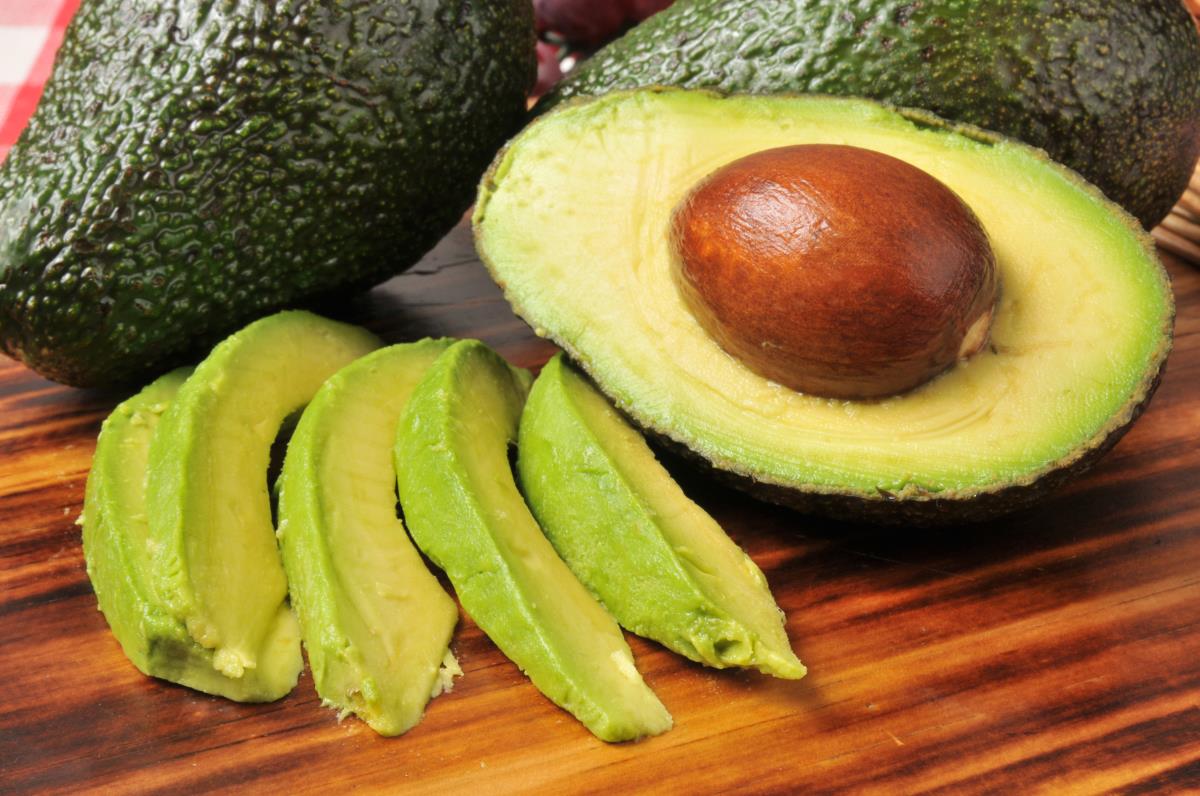
The reduction in glycemic load was primarily attributed to the avocados themselves, the study authors noted. Avocados are recognized as a nutrient-dense food rich in monounsaturated fats, fiber, and essential vitamins, according to nutrition experts [2].
Potential Mechanisms and Expert Perspectives
The lower glycemic load observed in the avocado group may be partly due to the fruit's high fiber and monounsaturated fat content. Dietary fiber slows carbohydrate digestion and helps control blood sugar, according to Kris Carr in "Crazy Sexy Juice" [3].
Healthy fats such as those found in avocados promote satiety and may reduce overall calorie intake, noted by Andrew Weil in "Fast Food Good Food" [4]. These factors could lead to a lower intake of high-glycemic foods, the study authors suggested.
Avocados contain a unique fat molecule called avocatin B (AvoB), which has been shown in prior research to reduce insulin resistance in animal models and promote weight loss in humans, according to a study published in Molecular Nutrition & Food Research [5].
Regular avocado consumption is linked to higher levels of HDL (high-density lipoprotein) cholesterol and lower LDL (low-density lipoprotein) cholesterol, supporting cardiovascular health, according to an article on NaturalNews.com [6]. These mechanisms may contribute to better glycemic control.
Nutrition experts not involved in the research noted that making simple dietary additions like avocado can be a sustainable strategy.
Avocados are filling, which may lead participants to consume less of less healthful foods, registered dietitian Karen Z. Berg stated in an interview accompanying the study. The combination of fiber, fat, and nutrient density makes avocados a valuable component of a diet aimed at managing blood sugar.
Limitations and Context
The study is a secondary analysis, and its limitations include reliance on self-reported dietary recalls and a sample that was predominantly female and overweight or obese, which restricts generalizability, according to the researchers.
The glycemic index and glycemic load measures themselves have limitations, as the effect of carbohydrate on blood glucose is determined by other factors beyond carbohydrate quantity, according to Richard David Feinman in "The World Turned Upside Down" [7].
Meanwhile, William Davis, in "Undoctored," argues that net-carb management may be more practical than glycemic load estimation [8].
Low glycemic load diets have been associated with better blood sugar control in individuals with diabetes, though the overall evidence is not strong enough for national recommendations, according to nutritionists.
The avocado group also showed a non-significant decrease in the contribution of dairy, sweets, and desserts to glycemic load, suggesting a shift in carbohydrate sources. Further research in more diverse populations is needed, the study authors stated.
Conclusion
The study suggests that daily avocado consumption may be a simple dietary change to lower glycemic load.
The study authors suggest that avocados can be part of a healthy diet, while also cautioning that any significant changes to your diet should be discussed with a healthcare professional.
References
- NaturalNews.com. "Daily Avocado Consumption Linked to Lower Glycemic Load, Study Finds". NaturalNews.com. May 8, 2026.
- NaturalNews.com. "Daily Avocado Consumption Linked to Improved Sleep, Cholesterol and Diet Quality, Study Finds". NaturalNews.com. May 15, 2026.
- Kris Carr. "Crazy Sexy Juice 100+ Simple Juice Smoothie Nut Milk Recipes to Supercharge Your Health".
- Andrew Weil. "Fast food good food more than 150 quick and easy ways to put healthy delicious food on the table".
- NaturalNews.com. "Superfruits and plant compounds_ Fat molecule in avocados may be key to reversing diabetes". NaturalNews.com. May 6, 2021.
- NaturalNews.com. "Elevate your meals with avocado The answer to diabetes and heart disease".
- NaturalNews.com. June 12, 2025.
Richard David Feinman. "The World Turned Upside Down The Second Low-Carbohydrate Revolution".
- William Davis. "Undoctored Why Health Care Has Failed You and How You Can Become Smarter Than Your Doctor".
- An avocado a day may help control blood sugar, study claims. MedicalNewsToday.com.June 5. 2026.








Please contact us for more information.