


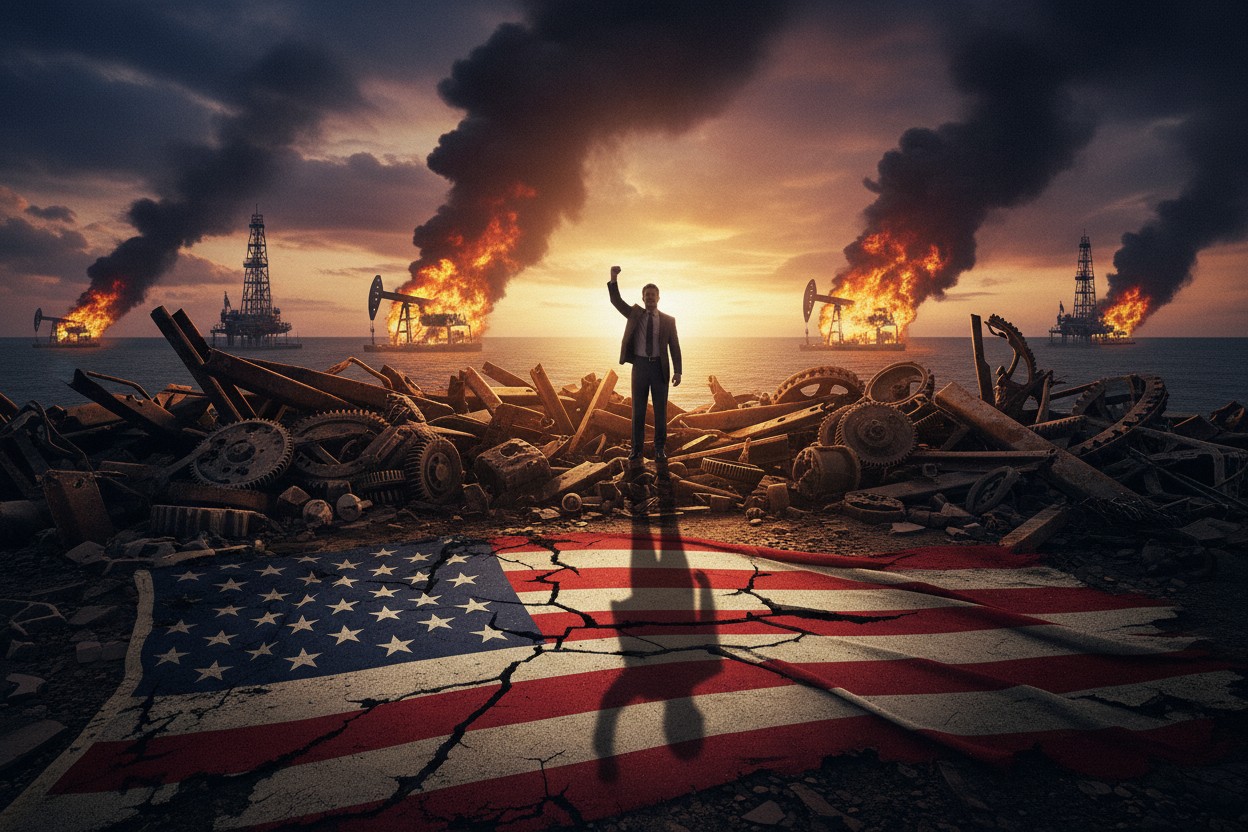
The world stands at a precipice. After weeks of secret negotiations in Islamabad, historic face-to-face talks between American and Iranian diplomats, and a brief ceasefire that halted the largest oil supply disruption in global history, President Donald Trump has announced that a memorandum of understanding to end the US-Israeli war on Iran has been "largely negotiated." But instead of relief, the announcement has triggered a firestorm of condemnation from senior Republicans who backed the war, warning that any deal leaving Iran militarily capable and politically intact would be a nightmare for Israel and a betrayal of everything American forces sacrificed. The emerging framework, which would reopen the Strait of Hormuz, end the naval blockade on Iran, and freeze nuclear discussions, has exposed a deepening rift between Trump and the war hawks who want total victory, even if it means American troops invade Iran or the world slides toward nuclear catastrophe.
No matter how many bombs Trump orders dropped over Iran, it will never be enough to appease the appetite of the US military industrial complex and its parade of Republican war hawks.
Key points:
- Senior Republicans including Lindsey Graham, Tom Cotton, Roger Wicker, Ted Cruz, Mike Pompeo, and John Bolton have publicly rebuked Trump over the proposed ceasefire terms.
- The 14-clause framework agreement would reopen the Strait of Hormuz, end the US naval blockade, and conclude fighting on all fronts including Lebanon.
- Iran has publicly insisted nuclear issues are not part of current negotiations and denies agreeing to surrender enriched uranium stockpiles.
- Critics warn the deal mirrors the 2015 Obama-era nuclear agreement and would allow Iran to retain regional dominance.
- Trump has alternated between threatening unprecedented military force and expressing optimism about a 50-50 chance of a deal.
The war hawks' nightmare: Concessions that could reshape the Middle East
The proposed agreement has drawn sharp criticism from Senator Lindsey Graham, who warned on Saturday that any deal leaving Iran militarily capable and politically intact would become a "nightmare for Israel." Graham wrote on X that if the conflict ends because the Strait of Hormuz cannot be protected from Iranian terrorism and Iran still possesses the capability to destroy major Gulf oil infrastructure, then Iran will be perceived as a dominant force requiring a diplomatic solution. He added that Iran's ability to threaten Gulf energy infrastructure in perpetuity would fundamentally shift the regional balance of power, a outcome that war hawks find unacceptable.
Senator Roger Wicker, chairman of the Senate Armed Services Committee, went further, declaring the rumored 60-day ceasefire would be "a disaster." Wicker wrote that everything accomplished by Operation Epic Fury, the war against Iran, would be for naught. He accused unnamed administration officials of pushing Trump toward "a deal that would not be worth the paper it is written on" instead of allowing the president to finish the job he started. Senator Tom Cotton, chairman of the Senate Intelligence Committee, reposted Graham's comments in an endorsement of the criticism, signaling that the intelligence community's leadership also opposes the emerging framework.
Senator Ted Cruz joined the chorus, saying he was deeply concerned by reports about the agreement. Cruz wrote on X that if the result of all the military action is an Iranian regime still run by Islamists who chant death to America, receiving billions of dollars, being able to enrich uranium and develop nuclear weapons, and having effective control over the Strait of Hormuz, then that outcome would be a disastrous mistake. Cruz explicitly referenced Trump by name while attempting to place blame on unnamed advisers pushing the deal within the administration, a subtle but significant shift in tone from a senator who has generally supported the president.
Former Secretary of State Mike Pompeo delivered some of the sharpest criticism, comparing the emerging framework to the 2015 nuclear agreement negotiated under President Barack Obama. Pompeo wrote that the deal being floated with Iran seems straight out of the Wendy Sherman-Robert Malley-Ben Rhodes playbook, a reference to officials associated with Obama-era diplomacy with Tehran. Calling the reported terms not remotely America First, Pompeo argued the United States should instead continue pressuring Iran economically and militarily. Former national security adviser John Bolton dismissed the negotiations entirely, saying talks with Tehran were a waste of oxygen.
The nuclear question and the path forward
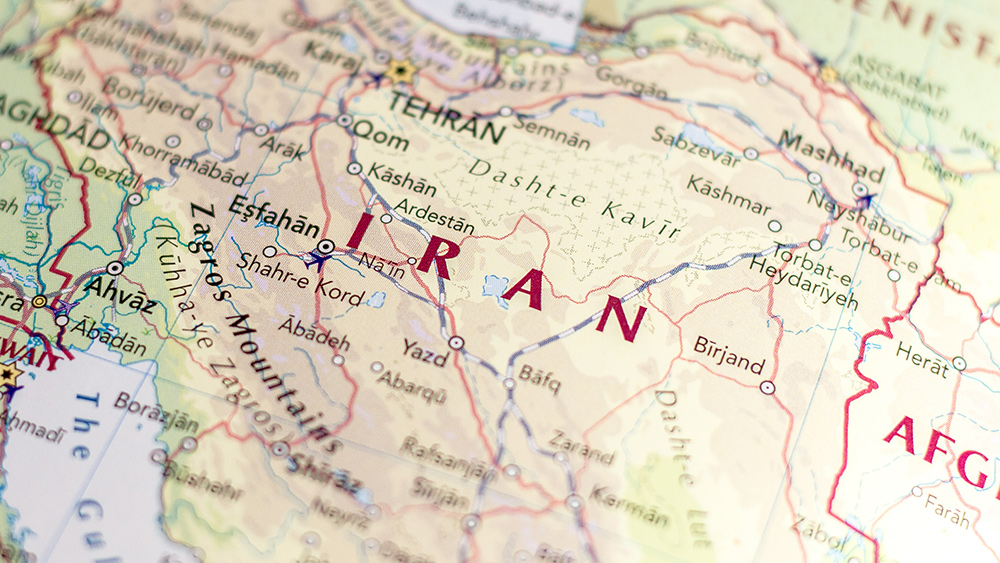
Iran's foreign ministry spokesperson Esmaeil Baghaei confirmed Saturday that Tehran was finalizing a memorandum of understanding serving as an initial framework agreement lasting between 30 and 60 days. According to Baghaei, the proposed 14-clause framework would cover the Strait of Hormuz, the US naval blockade on Iran, and ending the war on all fronts including Lebanon. Reports have since suggested the possible release of frozen Iranian assets. However, Iranian officials have publicly insisted that nuclear issues are not part of the current negotiations, with senior Iranian officials denying Tehran has agreed to surrender its stockpile of highly enriched uranium.
This omission is exactly what enrages the war hawks. The US intelligence community has maintained since 2007 that Iran is not actively developing nuclear weapons, though recent assessments acknowledge Iran has expanded uranium enrichment. Trump himself has repeatedly insisted Iran would not be allowed to attain nuclear weapons, yet the emerging agreement reportedly makes no mention of the nuclear program. For hawks like Graham, Wicker, and Cruz, any deal that leaves Iran with enriched uranium and regional influence is worse than no deal at all, because it would validate Tehran's strategy of withstanding military pressure until Washington negotiates.
Trump has alternated between renewing threats of escalation and expressing optimism about a deal. During an interview with CBS on Saturday, Trump said the two sides were getting a lot closer to an agreement but warned that if they do not reach a deal were going to have a situation where no country will ever be hit as hard as theyre about to be hit. In a separate interview with Axios, Trump put the chances of a deal at a solid 50-50, saying one of two things will happen: either I hit them harder than they have ever been hit, or we are going to sign a deal that is good. Secretary of State Marco Rubio struck an optimistic tone, telling reporters during a trip to India that some progress had been made and that even as he spoke there was work being done.
The stakes could not be higher. The war has triggered the largest oil supply disruption in global history, with Iran effectively controlling the Strait of Hormuz, through which 20 percent of the worlds oil passes. A prolonged conflict could trigger a global energy crisis, with Russia and China potentially exploiting the chaos by providing Iran with advanced weaponry. The humanitarian toll would be staggering, with millions of civilians caught in the crossfire of a conflict with no clear exit strategy. But for the Republican war hawks, diplomacy should be thrown out the window, Iran obliterated. The question now is whether Trump will listen to the hawks demanding he finish the job or whether he will pursue a diplomatic solution that avoids further American casualties.
Sources include:





Please contact us for more information.