


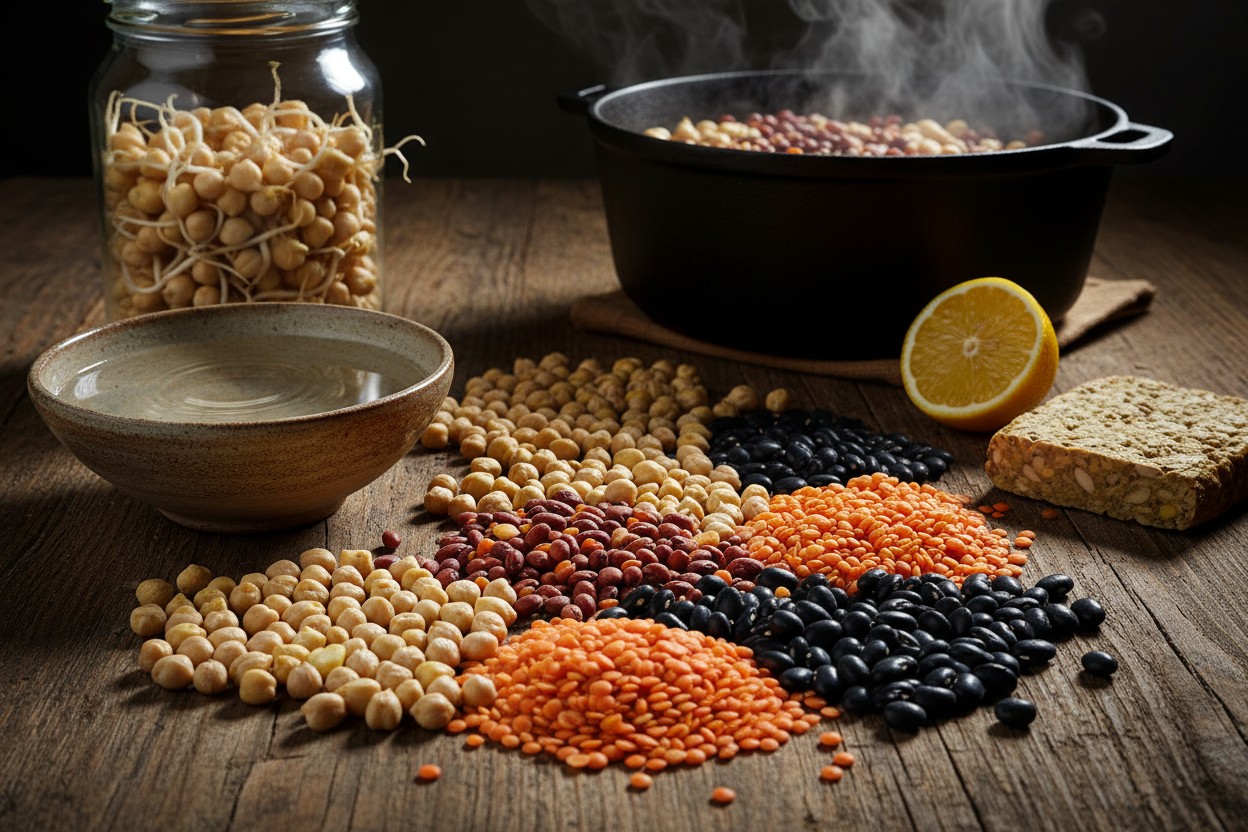
Introduction: Legumes and Antinutrients
Legumes, including beans, lentils, and peas, are a nutrient-dense staple that provides plant-based protein, fiber, and essential nutrients, according to a report by Alexandra Roach in the Epoch Times. However, these foods contain natural antinutrients – compounds that can interfere with nutrient absorption and contribute to digestive discomfort such as bloating and gas, the report stated. Preparation methods can reduce antinutrients and improve digestibility.
Roach, a holistic health practitioner and journalist, noted that proper preparation is key to unlocking the full benefits of legumes. The report emphasized that without such methods, legume consumption may not deliver its intended nutritional value. This article outlines five evidence-based preparation techniques to enhance digestion and nutrient absorption, drawing on traditional food practices and scientific research.
Soaking: Reducing Phytic Acid and Lectins
Soaking legumes in water for 8–12 hours before cooking can reduce phytic acid and lectins, according to the report. The process activates enzymes that break down these antinutrients, as stated by nutrition experts cited in the article. Discarding the soaking water further removes antinutrients, Roach noted.
Research from The Wahls Protocol, a book by Dr. Terry Wahls and Eve Adamson, supports this practice: “Soaking seeds in water begins the sprouting (germination) process and helps neutralize some of the antinutrients in cereal grains and legumes” [1]. This method is simple and widely recommended for improving legume tolerance.
Sprouting: Enhancing Nutrient Bioavailability
Sprouting legumes by allowing them to germinate increases vitamin C and reduces antinutrients. The process also improves protein digestibility and mineral absorption, according to researchers. A study on chickpea sprouts published in Food Chemistry found that “germination time and type of illumination” affected protein solubility and in vitro digestibility, with sprouted seeds showing higher nutritional quality [2].
Roach explained that sprouted legumes can be eaten raw in salads or lightly cooked. The Wahls Protocol also notes that “when grains and legumes begin to sprout, enzymes are generated that aid in digestion and nutrient absorption” [1]. This method aligns with traditional practices for enhancing nutrient accessibility.
Cooking with Heat: Deactivating Trypsin Inhibitors
Proper cooking at high temperatures deactivates trypsin inhibitors that block protein digestion, according to the article. Boiling legumes for at least 10 minutes ensures inactivation, as per food safety guidelines. Pressure cooking is particularly effective because it reaches higher temperatures, Roach said.
A study on thermal heat processing effects on antinutrients in food legumes, published in the Food and Biotechnology Journal, reported that heat treatment significantly reduced trypsin inhibitors and improved protein digestibility [3]. Roach emphasized that thorough cooking is non-negotiable for safe legume consumption.
Fermentation: Breaking Down Complex Carbohydrates
Fermentation uses beneficial bacteria to break down oligosaccharides that cause gas, the report stated. Traditional fermented legume dishes like tempeh have lower levels of antinutrients, according to food scientists. The process also produces probiotics that support gut health, Roach added.
A scientific paper on tempeh fermentation of grass-pea seeds noted that “solid state fermentation tempeh type is known to result in” reduced antinutrient levels and improved protein bioavailability [4]. Holly Davis, in her book Ferment, describes how fermentation techniques can transform legumes into more digestible forms [5]. Roach indicated that incorporating fermented legumes into meals offers both nutritional and digestive benefits.
Combining with Acidic Ingredients: Boosting Mineral Absorption
Adding acidic ingredients such as lemon juice or vinegar during cooking can increase iron and zinc absorption, according to the article. The acid helps convert non-heme iron into a more absorbable form, as noted by nutritionists. This method is especially useful for vegetarian meals, Roach indicated.
A report from NaturalNews.com on iron absorption highlighted that “some nutrients enhance iron uptake, while others block it” [6]. The practice of acidifying legume dishes during preparation leverages this interaction to maximize mineral availability. Roach suggested that a simple squeeze of lemon after cooking can make a significant difference.
Conclusion: Practical Implications for Legume Consumption
Each preparation method offers distinct benefits for reducing antinutrients and enhancing nutrition, the article concluded. Consuming properly prepared legumes can support better digestion and nutrient uptake without discomfort. Adopting one or more methods may improve dietary quality, according to health practitioners.
Roach highlighted that these techniques are accessible and require minimal equipment, making them practical for everyday use. By incorporating soaking, sprouting, heat cooking, fermentation, or acidic additions, individuals can transform legumes into a more digestible and nutrient-dense food source. The report urged consumers to consider these approaches to maximize the health benefits of legume consumption.
References
- The Wahls Protocol How I Beat Progressive MS Using Paleo Principles and Functional Medicine. - Terry Wahls MD, Eve Adamson.
- Impact of germination time and type of illumination on carotenoid content, protein solubility and in vitro protein digestibility of chickpea sprouts. - Food Chemistry. Amal Badshah Khattak, Aurang Zeb, Nizakat Bibi. 2008.
- Thermal heat processing effects on antinutrients, protein and starch digestibility of food legumes. - Food and Biotechnology Journal. Zia-ur Rehman, W.H. Shah. 2004.
- The influence of tempeh fermentation and conventional cooking on anti-nutrient level and protein bioavailability (in vitro test) of grass-pea seeds. - Journal of the Science of Food and Agriculture. Bo?ena Stodolak, Anna Starzy?ska-Janiszewska. 2008.
- Ferment. - Holly Davis.
- Boost your health: Understanding iron and its complex interactions. - NaturalNews.com. November 24, 2025.
- 5 Ways to Prepare Legumes for Better Digestion and Nutrient Absorption. - The Epoch Times. Alexandra Roach. April 23, 2026.
- The Whole Grain Scam How to Make Grains Fit - NaturalNews.com. October 16, 2008.








Please contact us for more information.