


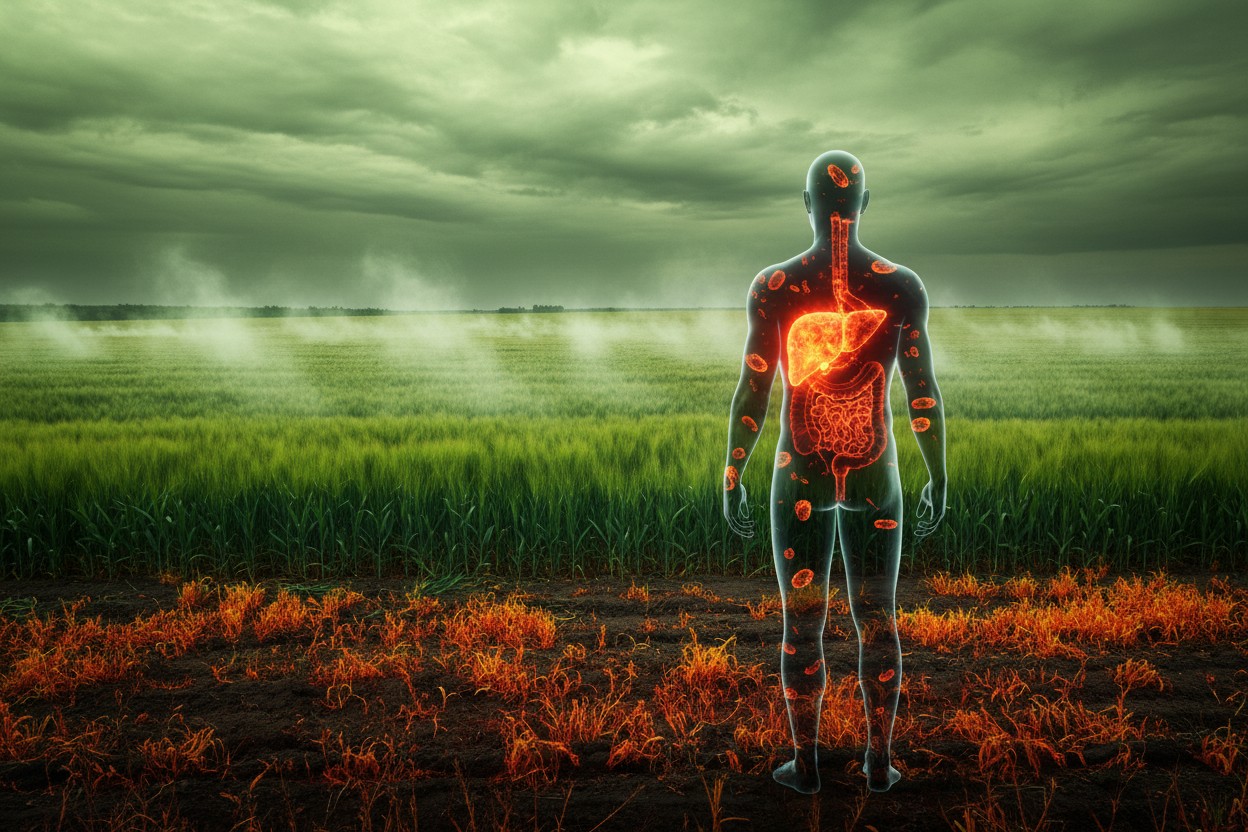
- Glyphosate is a pesticide widely used on non-organic crops to kill weeds or dry them for early harvest. Human exposure has surged 500% since GMOs were introduced, with nearly 300 million pounds sprayed in the U.S. every year.
- Glyphosate is classified as a probable human carcinogen by the World Health Organization. Lawsuits linking it to Hodgkin's Lymphoma have resulted in over $11 billion in payouts to victims.
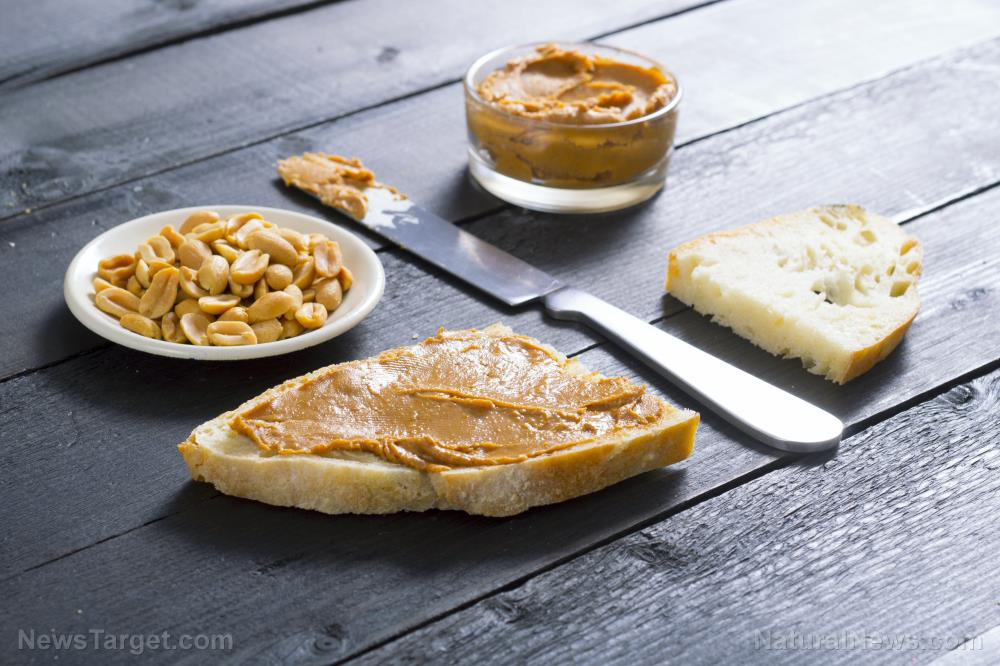
- Seven foods are most likely to contain high glyphosate levels: Oat breakfast cereals, wheat breads and pastas, corn and soy snacks, almonds and nut butters, berries (strawberries, blueberries), hummus and dips (chickpeas) and gluten-free foods.
- Buying organic is the best option, but even organic eaters aren't fully safe due to drift from nearby farms and contaminated water. Look for "glyphosate residue-free" labels on products.
- Consumers should hold the EPA accountable by demanding a ban on glyphosate. Individual detox systems vary, so testing and personalized health strategies are important. However, the ultimate goal is to eliminate this widespread, dangerous chemical.
Scan labels at the grocery store and you won't see it listed, making you think it's not there. But this tasteless, colorless toxin is hiding in countless foods that consumers eat every day.
Before you know it, you're serving up toxins for breakfast, lunch and dinner. That hidden ingredient is glyphosate, a pesticide linked to a long list of issues.
Glyphosate, also known as Roundup, has permeated the modern food supply in alarming ways. Human exposure to this toxic chemical has increased by 500% since the introduction of genetically modified crops, according to available research.
With nearly 300 million pounds of glyphosate sprayed in the United States every year, it's no wonder that testing has detected this herbicide in everything from breakfast cereals to drinking water.
The International Agency for Research on Cancer has classified glyphosate as a "probable human carcinogen," and lawsuits linking Roundup to Hodgkin's Lymphoma have resulted in payouts totaling over $11 billion. Yet despite these serious health concerns, major regulators continue to allow its widespread use.
So how does glyphosate end up in food?
Farmers use it on non-organic, conventionally-grown foods as a weedkiller or to dry crops for earlier harvest. This means glyphosate residue ends up directly in food.
Here are seven common foods most likely to contain high levels of this dangerous pesticide.
Oat breakfast cereals
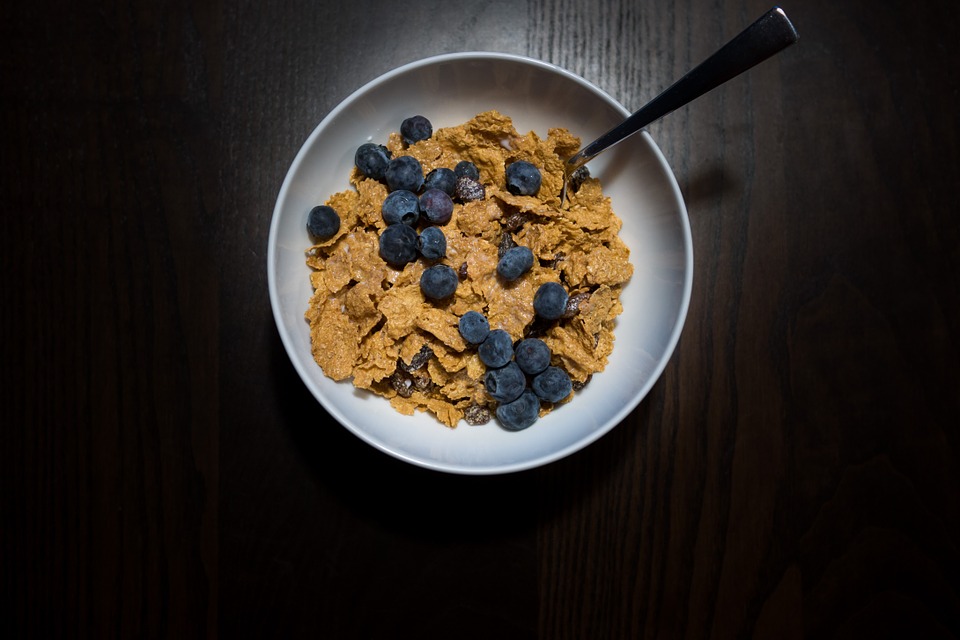
Grains like oats are sprayed with glyphosate to speed up the drying process before harvest. Oats are commonly used in breakfast foods, including oatmeal, cereals, granola and more.
Testing on oat-based foods confirms the presence of glyphosate in almost all cases.
Researchers found glyphosate in 98% of samples tested, with 79% of samples showing levels above 160 parts per billion, the safety level set for children. Alarmingly, popular children's breakfast items had some of the highest levels, with six varieties of Cheerios and Nature Valley granola bars testing at over 800 ppb of glyphosate.
Wheat breads and pastas
Non-organic wheat is sprayed with glyphosate for faster and easier harvesting. Wheat serves as the basis for many popular foods, including pastas, breads, bakery items and crackers.
Research shows pesticides are used on over 90% of durum wheat acres, the wheat used to make pasta. In 2017 alone, almost 10 million pounds of glyphosate were applied to wheat varieties grown in the United States.
Corn and soy packaged snacks
Soybeans and corn are the primary targets of glyphosate. Genetically-modified soybeans and corn are engineered to survive applications of the herbicide, but even non-GMO varieties are sprayed before harvesting.
These two staples appear in countless processed foods as main ingredients in chips and puffs, or as additives like maltodextrin from corn and lecithin from soy. This makes them ubiquitous in cookies, crackers, snack bars, candies and chips.
The Food and Drug Administration (FDA) found glyphosate in 63% of corn samples and 67% of soybean samples.
Almonds and nut butters
It's not just cereal and grain crops impacted by glyphosate. Popular plant-based foods like almonds are also tainted.
Over 80% of non-organic California almonds are treated with weedkillers like Roundup, and approximately 35 million pounds of pesticides are used on almonds annually. This means trail mixes, snack bars, almond flours and plant-based milks can all carry pesticide residues.
Berries
Strawberries and blueberries are sprayed with glyphosate to eliminate weeds, and the herbicide lands directly on the fruit, where it can remain for extended periods.
Research shows glyphosate residues can stay in blueberry and raspberry fruit for a full year after spraying, with low levels persisting in plant shoots and root systems for years.
Hummus and dips
Chickpea crops are sprayed with glyphosate to dry them out for harvest. When crops are wet during application, the beans absorb the chemical, and residues make their way into hummus.
This is a widespread issue. Testing by the Canadian Food Inspection Agency showed that 47% of all bean, pea and lentil products contained glyphosate, with 26 out of 71 samples exceeding safety limits.
Gluten-free foods
There is an irony here that many consumers miss. While glyphosate is associated with an increased risk of gluten intolerance and celiac disease, many gluten-free foods are made from crops impacted by the herbicide. This includes oats, corn, chickpea flour and almond flour.
Even gluten-free favorites like quinoa and millet can be sprayed with glyphosate, meaning those avoiding gluten may still be consuming this dangerous chemical.
The importance of buying glyphosate-tested foods
Given the widespread contamination, consumers must take matters into their own hands.
One effective strategy is purchasing products with "glyphosate residue-free" labels, such as freeze-dried organic strawberries. These foods have been specifically tested for glyphosate, assuring consumers that they are free from this toxic chemical.
The best way to protect your family is to buy organic, as organic farming methods ban the use of glyphosate. But even organic eaters are not completely immune.
Drift from nearby agricultural areas and contaminated water supplies can still expose individuals to this pervasive chemical.
The bottom line is clear: glyphosate contamination of the food supply is extensive and dangerous. Consumers must stay informed, choose organic when possible and seek out glyphosate-tested products.
And equally important, citizens must hold federal officials accountable by demanding that the EPA ban this dangerous herbicide before it causes further harm to public health.
Where to buy glyphosate-tested products
The Health Ranger Store is here to help you find lab-verified and glyphosate-tested foods that support overall well-being. That's why we're offering you clean and healthy food options such as Freeze-Dried Organic Strawberry Pieces (7oz, #10 can) (2-Pack).
One of the most popular fruits in the world, strawberries are the bright red, heart-shaped fruits that grow on the Fragaria x ananassa plant. These superfruits are loaded with essential vitamins and minerals, such as dietary fiber, protein, magnesium, manganese, phosphorus, potassium, calcium, iron, copper, phosphorus and vitamins A, B6, B9, C, E and K.
Health Ranger Select Freeze-Dried Organic Strawberry Pieces make for a tasty and healthy snack you can enjoy all year round. With their crispy texture and natural abundance of antioxidants and nutrients, our freeze-dried organic strawberry pieces can add a burst of flavor and nutrition to pancakes, muffins, pies, salads and baked goods.
They can even be eaten directly for a quick and healthy snack.
Health Ranger Select Freeze-Dried Organic Strawberry Pieces contain no gluten or GMOs and are certified Kosher and organic. Our premium strawberry pieces are also vegan and non-China.
They have been meticulously lab tested for glyphosate, heavy metals and microbiology.
Visit Health Ranger Store and Bright Shop to find more lab-verified products that support good health.
Click on this link to learn how to make a delicious raw strawberry cheesecake using our Freeze-Dried Organic Strawberry Pieces.
Watch this clip to learn more about Organic Strawberry, a superfood that boosts vitamin C intake and supports optimal well-being.
This video is from the Health Ranger Store channel on Brighteon.com.
Sources include:









Please contact us for more information.