


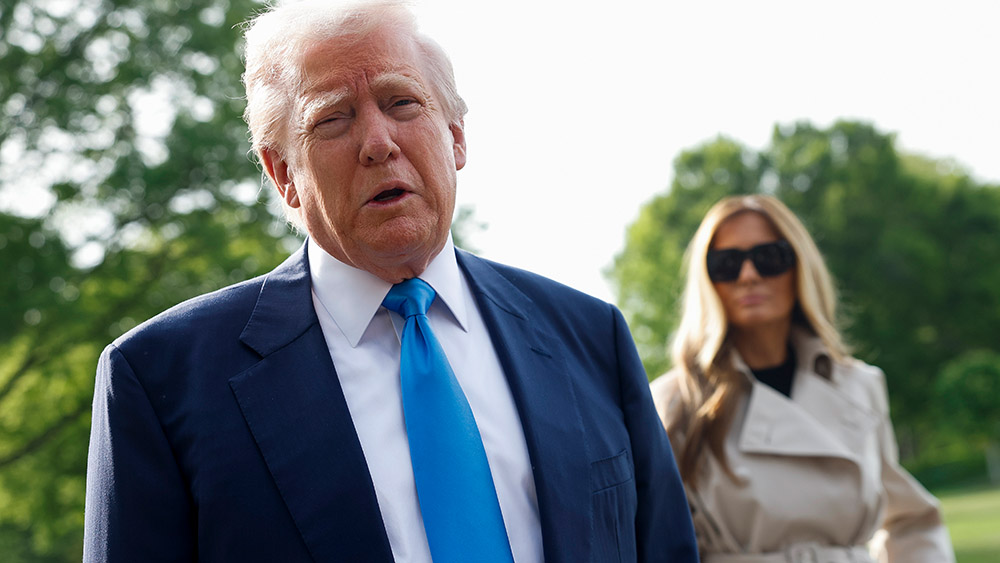
- Trump admits there is no timeline for ending the war with Iran, contradicting earlier promises of a quick conflict.
- Trump extended an indefinite ceasefire while maintaining a naval blockade of Iranian ports.
- Iran rejected further talks, calling the blockade a violation of any ceasefire and a form of surrender.
- Brent crude oil prices have soared to $101.91 per barrel as the conflict fuels a global energy crisis.
- The war has killed thousands, stranded nearly 20,000 seafarers, and Trump’s approval rating has dropped to 30%.
President Donald Trump has told the American people there is “no time frame” for ending the U.S. war against Iran, directly contradicting his earlier promises of a quick four-to-five-week conflict. The admission came as Trump extended a ceasefire with Tehran indefinitely while maintaining a naval blockade of Iranian ports. Meanwhile, Iran refused further talks, insisting negotiations are pointless under what it calls American “bullying.” Trump’s economic approval rating has now dropped to 30%, according to an AP-NORC poll, as the conflict continues driving energy prices higher.
The president’s shifting timeline marks a stunning departure from his earlier confidence. Shortly after the U.S. and Israel launched attacks on Iran on February 28, Trump predicted the fighting would last “four to five weeks.” He repeatedly said over the past month that the war would be over “very soon.” Now, Trump tells Fox News there is “no time pressure” and rejects claims that political considerations are influencing his approach.
“People say I want to get it over because of the midterms, not true,” Trump told Fox News on Wednesday.
White House press secretary Karoline Leavitt doubled down, telling reporters that “the president has not set a firm deadline to receive an Iranian proposal.” She added, “Ultimately the timeline will be dictated by the commander in chief.”
Blockade continues as Iran seizes ships
On Tuesday, Trump prolonged the ceasefire with Tehran indefinitely while keeping the U.S. blockade of Iranian ports in place. The announcement came just hours before the two-week truce was set to expire. Iran’s paramilitary Revolutionary Guard responded by firing on three ships in the Strait of Hormuz on Wednesday, seizing two vessels and bringing them to Iranian ports.
“The blockade scares [Iran] even more than the bombing,” Trump claimed. “They’ve been bombed for years but the blockade they hate.”
Iranian officials see things differently. Tehran’s envoy to Beijing, Abdolreza Rahmani Fazli, told RT India that there will be no talks until the American blockade of the Strait of Hormuz, which accounts for some 25% of global crude oil trade, continues. What the Americans expect from Iran “is not dialogue, but surrender,” and that is not going to happen, he insisted.
Iranian parliamentary Speaker Mohammad Bagher Ghalibaf echoed that sentiment, writing on X that “a complete ceasefire only makes sense if it is not violated by a naval blockade and holding the world economy hostage.”
Energy crisis deepens
The economic consequences are already severe. The price for a barrel of Brent crude oil has climbed to $101.91, and the International Energy Agency’s executive director, Fatih Birol, called this “the biggest energy crisis in the history.” He warned that “what we lost in this war is much bigger than all the crises put together in terms of oil and gas.”
EU Energy Commissioner Dan Jorgensen said the war is costing Europe around 500 million euros ($600 million) each day and that “we are looking into some very difficult months, or maybe even years” ahead. “Even in a best-case scenario, it’s still bad,” he told reporters.
Pentagon officials briefed lawmakers this week that it could take up to six months to fully clear the Strait of Hormuz of mines after the war ends. Meanwhile, nearly 20,000 seafarers remain stranded in the Persian Gulf, unable to return home.
Iran rejects further talks
Iran’s foreign ministry spokesperson, Esmaeil Baqaei, said Wednesday that “Iran has not yet decided whether it will participate in the new round of peace negotiations with the United States.” He added, “We entered the negotiations in good faith and with seriousness, but the negotiating party (the United States) has shown disregard and lack of good faith.”
One Iranian diplomat said: “We won’t negotiate under threat. We won’t go to Islamabad before the lifting of the blockade.”
The war has now killed at least 3,375 people in Iran, more than 2,290 in Lebanon, and 23 in Israel, along with 13 U.S. service members throughout the region. The Senate rejected another measure to restrict Trump’s war powers by a 46-51 vote, marking the fifth time this year lawmakers have declined to assert congressional authority over the conflict.
As the blockade continues and the Strait of Hormuz remains contested, Americans are left wondering how this war ends. Trump says there is “no time frame.” Iran says it will fight “until complete victory.” And the American people are left paying the price at the pump.
Sources for this article include:










Please contact us for more information.