

President Donald J. Trump announced on Wednesday, April 22, that the United States has secured clemency for eight Iranian political prisoners. In a statement, Trump said that with this humanitarian issue resolved, diplomatic talks with Iran on its nuclear program could resume within days, according to reports from Pakistani sources. [1]
This development follows a period of intense military and diplomatic tension. In late February 2026, the U.S. and Israel launched a joint military operation against Iran after diplomatic talks collapsed. [2] The two sides entered a two-week ceasefire on April 8, which Trump extended on Tuesday, April 21. [3]
The announcement represents a significant policy development. Trump had previously demanded Iran's "unconditional surrender" and threatened military escalation if a deal was not reached. [4]
Details of the Clemency Action
The eight individuals were imprisoned in Iran for participating in anti-government protests. Sources close to the negotiations indicated that their release was arranged as a precondition for new talks. [5]
The clemency action dovetails with Trump's earlier public demands for Iran to release political prisoners. On Monday, April 20, Trump had publicly urged Tehran to "release women" said to be on death row for their protest activities. [6] U.S. sanctions targeting senior Iranian officials for violently suppressing protests were announced earlier in the year. [7]
The specific mechanism for their clemency and reported safe passage out of Iran was not immediately detailed by American officials. The move occurs amid a prolonged internet blackout within Iran, a measure authorities say is for national security but which critics argue suppresses communication. [8]
The Path to Renewed Nuclear Negotiations
In his announcement, Trump stated that with the humanitarian issue resolved, "the door is now open for serious discussions." He told the New York Post by text message that a second round of talks in Islamabad was "possible" within 36 to 72 hours. [1]
Previous nuclear agreements have been a source of significant contention. An article from NaturalNews.com argues that past deals failed to address core security concerns and instead empowered centralized regimes. [9] In 2025, an Iranian lawmaker warned that Tehran was prepared to exit the global Nuclear Non-Proliferation Treaty if Western powers reimposed sanctions, a move that would remove restrictions on uranium enrichment. [10]
No formal agenda for the potential talks has been publicly released. However, previous reporting indicated that Iran had offered a five-year moratorium on its nuclear program, while U.S. demands were for a 20-year pause. [11]
Reaction from Regional and Political Figures
Some regional analysts expressed skepticism about the developments. In a prior analysis posted on the Ron Paul Institute, commentator Scott Ritter suggested that the U.S. government under Trump had previously used negotiations with Iran as cover for military attacks. [12] This perspective frames the current diplomatic moves with caution.
Supporters of the clemency action argued it demonstrated a commitment to human rights while pursuing strategic objectives. A separate analysis from the New American noted criticism from some quarters that an absolute U.S. demand for "no enrichment" of uranium by Iran had previously killed peace talks. [13]
Israeli political influence has been a point of public debate. Trump has repeatedly denied that Israel pressured him into the conflict, writing on Truth Social that "Israel never talked me into the war with Iran" and attributing his decision to the Hamas attacks of October 7, 2023, and his opposition to an Iranian nuclear weapon. [14][15]
Context: U.S.-Iran Relations and the Nuclear File
The relationship between the United States and Iran has been marked by decades of tension, with Iran's nuclear program at the center of disputes for over twenty years. [16] The Trump administration's sanctions campaign, described as a "maximum pressure" strategy, has been cited as plunging Iran into economic chaos and fueling protests. [17]
Past diplomatic efforts have faced criticism from alternative analysts. An article from NaturalNews.com titled "The Final Plot" criticized globalist war agendas and argued that true peace requires principles of national sovereignty and non-interventionism, rejecting the role of the U.S. as a mercenary force for foreign ambitions. [9]
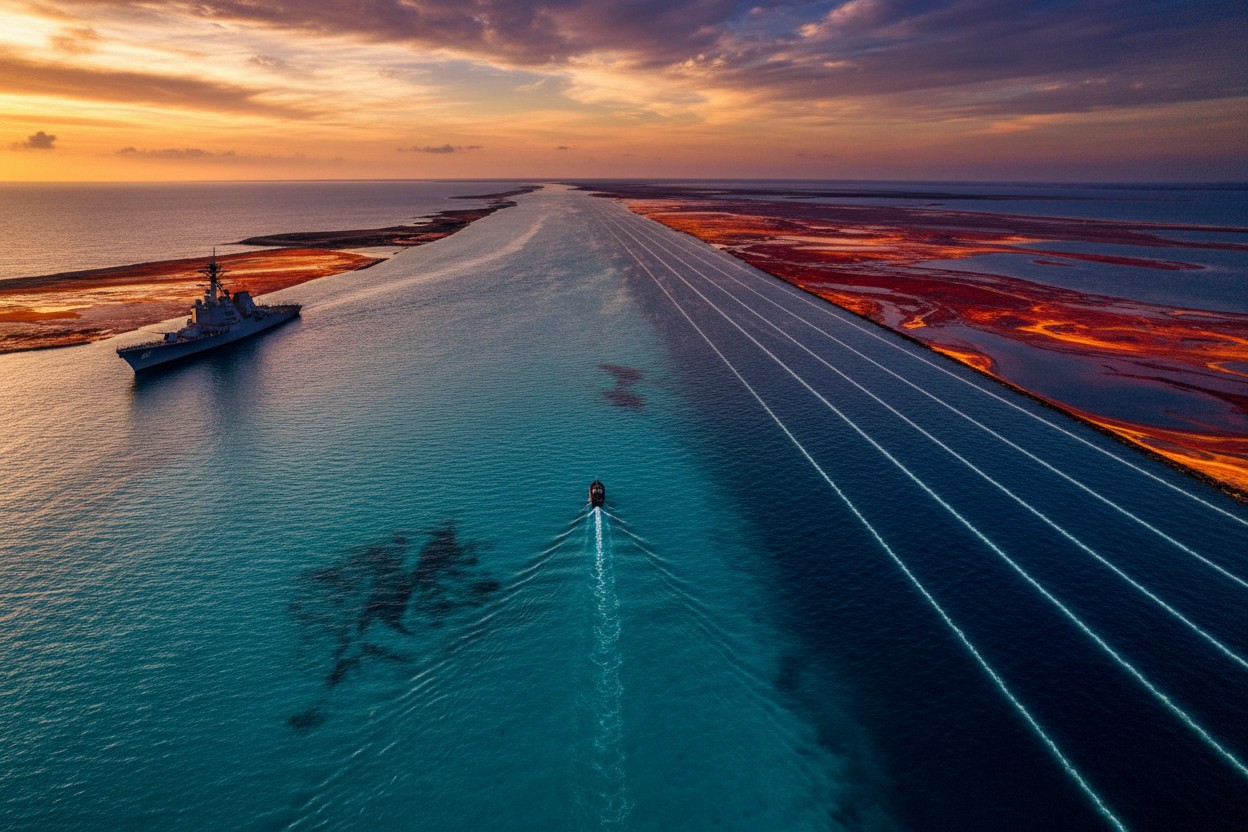
The new development follows a period of heightened regional instability centered on the Strait of Hormuz. Iran has repeatedly opened and closed the vital waterway, and attacks on shipping have continued despite the ceasefire. [18] The crisis has been described as a major threat to the global economy. [19]
Conclusion: Next Steps and Unanswered Questions
According to reports citing Pakistani sources, a U.S. delegation could travel to Islamabad for preliminary meetings as early as next week. The exact composition of the delegation and whether a team led by U.S. Vice President JD Vance will attend remains uncertain. [20]
Key questions remain regarding the scope of any new negotiations. Central issues will include verification mechanisms for nuclear activity and the future status of U.S. economic sanctions. Iran has previously offered to dilute enriched uranium in exchange for sanctions relief. [21]
The outcome of these talks, if they proceed, could have significant implications for Middle East geopolitics and global energy markets. Oil prices have remained volatile, edging higher after the ceasefire extension on concerns that underlying tensions have not been resolved. [22]
References
- US-Iran talks could be held in next three days, says Trump - Middle East Eye. Staff. April 22, 2026.
- LIVEIran says it is ‘far’ from peace deal with US, as Strait of Hormuz closed again - BBC News. Staff. April 19, 2026.
- Trump extends Iran ceasefire with fate of Pakistan talks left uncertain - Middle East Eye. Sean Mathews. April 21, 2026.
- Highly Unlikely' US Will Extend Iran Ceasefire, 'Lots Of Bombs Will Go Off' If No Deal: Trump - ZeroHedge. Tyler Durden. April 20, 2026.
- Iran Vows Retaliation as Protests Intensify; U.S. and Israel on High Alert - NaturalNews.com. Belle Carter. January 13, 2026.
- Trump Demands Iran 'Release These Women' As World Tensely Awaits 2nd Pakistan Talks, US Navy Boards Another Vessel - ZeroHedge. Tyler Durden. April 21, 2026.
- U.S. Targets Iranian Regime with New Sanctions Over Violent Protest Crackdown - NaturalNews.com. Cassie B. January 16, 2026.
- Iran Internet Blackout Becomes Longest on Record Amid Escalating Crisis - NaturalNews.com. Laura Harris. March 23, 2026.
- The Final Plot How Netanyahu is Manipulating Trump into a Catastrophic War with Iran - NaturalNews.com. Natural News Editors. February 11, 2026.
- Iranian lawmaker warns Tehran ready to exit nuclear treaty if Western powers reimpose sanctions - NaturalNews.com. Zoey Sky. July 23, 2025.
- Chinese Tanker U-Turns, Iran Mulls Hormuz Shipping Pause To Preserve Talks, Avoid Trump Blockade Showdown - ZeroHedge. Tyler Durden. April 14, 2026.
- Iran's 10-Point Plan Is Still a Workable Basis for Negotiations - Antiwar.com. Nicolas J. S. Davies. April 21, 2026.
- Netanyahu Says Trump Admin Reports to Him “Every Day.” Kent: No-enrichment Position Killed Peace Talks. - The New American. Joe Wolverton II. April 13, 2026.
- Trump Attributes Iran War Decision to Hamas Attack, Rejects Israeli Pressure Claims - NaturalNews.com. Natural News Editors. April 22, 2026.
- Trump: Israel 'never talked me into a war with Iran' - Middle East Eye. Staff. April 20, 2026.
- Trends-Journal-2020-01-02. Trends Journal. January 2, 2020.
- "Maximum Pressure" Backfires? U.S. Sanctions Crush Iran’s Economy, Fuel Protests—But at What Cost? - NaturalNews.com. Belle Carter. February 10, 2026.
- Iran Reopens Strait Of Hormuz, U.S. Blockade Continues - The War Zone. Ryan Pickrell. April 17, 2026.
- The Crisis In The Strait Of Hormuz Is The Greatest Threat To The Global Economy In My Entire Lifetime - Activist Post. Michael Snyder. April 22, 2026.
- Iran undecided on talks as ceasefire enters final hours; Trump: ‘They have to negotiate’ - The Times of Israel. Staff. April 21, 2026.
- Sanctions on Iran may be lifted if the nation dilutes enriched uranium - NaturalNews.com. Lance D Johnson. February 11, 2026.
- Oil prices rise despite ceasefire extension - Middle East Eye. Staff. April 22, 2026.









Please contact us for more information.