


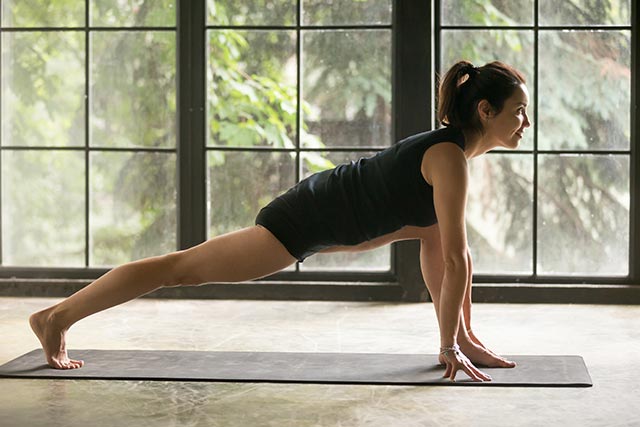
- 25 minutes of daily yoga can lower blood pressure as much as some medications
- The meta-analysis of 30 studies found systolic drops of 4.35 mmHg after 12 weeks
- A 5 mmHg reduction in systolic blood pressure cuts heart attack and stroke risk by 10 percent
- Yoga also modestly improved cholesterol levels by reducing bad LDL
- Researchers note yoga works best when combined with healthy diet and other exercise
A sweeping new analysis led by researchers at the University of Edinburgh has found that roughly 25 minutes of daily yoga may reduce blood pressure comparably to some prescription medications. The study, published recently in the peer-reviewed journal PLOS Global Public Health, examined 30 separate studies involving more than 2,600 overweight or obese adults and found meaningful drops in both systolic and diastolic blood pressure after just 12 weeks of regular practice.
What the numbers show
The meta-analysis, which pulled data from studies conducted across Asia, the United States, Germany, and Australia, recorded an average reduction of 4.35 mmHg in systolic blood pressure and 2.06 mmHg in diastolic blood pressure. For context, researchers estimate that every 5 mmHg reduction in systolic blood pressure can lower the risk of heart attack or stroke by around 10 percent. Experts noted that reductions of this size are similar to those seen with some blood pressure medications, although prescription drugs can lead to larger drops depending on the patient and the type of medicine used.
Yoga has long been viewed primarily as a practice for flexibility and stress relief. But the researchers, writing in PLOS Global Public Health, stated: “Yoga is often seen mainly as a wellbeing practice, but our findings suggest it may also support certain cardiometabolic health outcomes in adults with overweight or obesity.” Most participants in the analyzed studies committed to about three 60-minute yoga sessions per week, or roughly 180 minutes total. That works out to approximately 25 minutes of daily practice.
Beyond the cardiovascular benefits, the analysis revealed modest improvements in cholesterol levels. Participants who practiced yoga saw reductions in low-density lipoprotein, often called bad cholesterol because high levels contribute to clogged arteries and raise the risk of heart attacks and strokes. Interestingly, the researchers found less clear evidence that yoga improved glucose metabolism or reduced inflammation, both of which are linked to heart disease.
The caveats that matter
The studies examined were observational, which means it was not clear whether the results were due to yoga or other factors. The authors noted that people who commit to regular yoga may also be more likely to eat healthier foods, exercise more, or make other positive lifestyle changes that could have led to the improvements. Additionally, the blood pressure-lowering effect was only clearly recorded in Asian participants rather than those from other ethnic groups, although researchers attributed this to smaller sample sizes in non-Asian groups rather than evidence that yoga only works in certain populations.
A long history of healing
This research builds on a foundation stretching back to the early 1970s, when studies began demonstrating yoga and meditation’s effectiveness in reducing stress and anxiety, lowering blood pressure and heart rate, and alleviating pain. A 2013 meta-analysis published in Evidence-Based Complementary and Alternative Medicine and led by Marshall Hagins from Long Island University similarly showed that yoga practice was associated with a modest but significant reduction in blood pressure. That analysis highlighted that larger reductions occurred when yoga incorporated three key elements: postures, meditation, and breathing.
Mind-body practices gain momentum
The findings align with recent clinical trials on related practices such as baduanjin, a form of qigong originating in China. A trial published in the Journal of the American College of Cardiology found that practicing baduanjin five days a week led to reductions in systolic blood pressure that were sustained for a full year. Senior study author Dr. Jing Li, director of the Department of Preventive Medicine at the National Center for Cardiovascular Diseases in Beijing, said in a statement: “Given its simplicity, safety and ease at which one can maintain long-term adherence, baduanjin can be implemented as an effective, accessible and scalable lifestyle intervention for individuals trying to reduce their blood pressure.”
Researchers believe yoga reduces blood pressure partly by helping manage stress. Board certified interventional cardiologist Dr. Cheng-Han Chen, who was not involved in the study, explained that yoga lowers sympathetic nervous system stimulation and promotes parasympathetic nervous system tone, which lowers blood pressure. He recommends any gentle and relaxing yoga for patients with high blood pressure.
Fitness experts stress that yoga should complement, not replace, other forms of exercise. The World Health Organization recommends adults get 150 to 300 minutes of moderate-intensity exercise each week, along with at least two strength-training sessions. For people with high blood pressure, doctors say the most effective approach usually combines several strategies: maintaining a healthy weight, regular exercise, cutting back on salt, eating more fruits and vegetables, limiting alcohol, managing stress, and taking medication when needed.
The bigger picture
Nearly half of all Americans, around 120 million people, are estimated to have high blood pressure, and many do not realize they have it until a routine check-up catches it. With yoga already practiced by roughly one in six American adults, the accessibility of this intervention cannot be overstated. No gym membership required. No expensive equipment. Just a quiet space, a mat, and twenty-five minutes a day.
The researchers concluded in their study that yoga may offer a helpful additional option for improving cardiometabolic health. At a time when pharmaceutical solutions often come with side effects and steep price tags, this gentle, ancient practice deserves a closer look from every doctor, every patient, and every American watching their numbers climb.
Sources for this article include:










Please contact us for more information.