

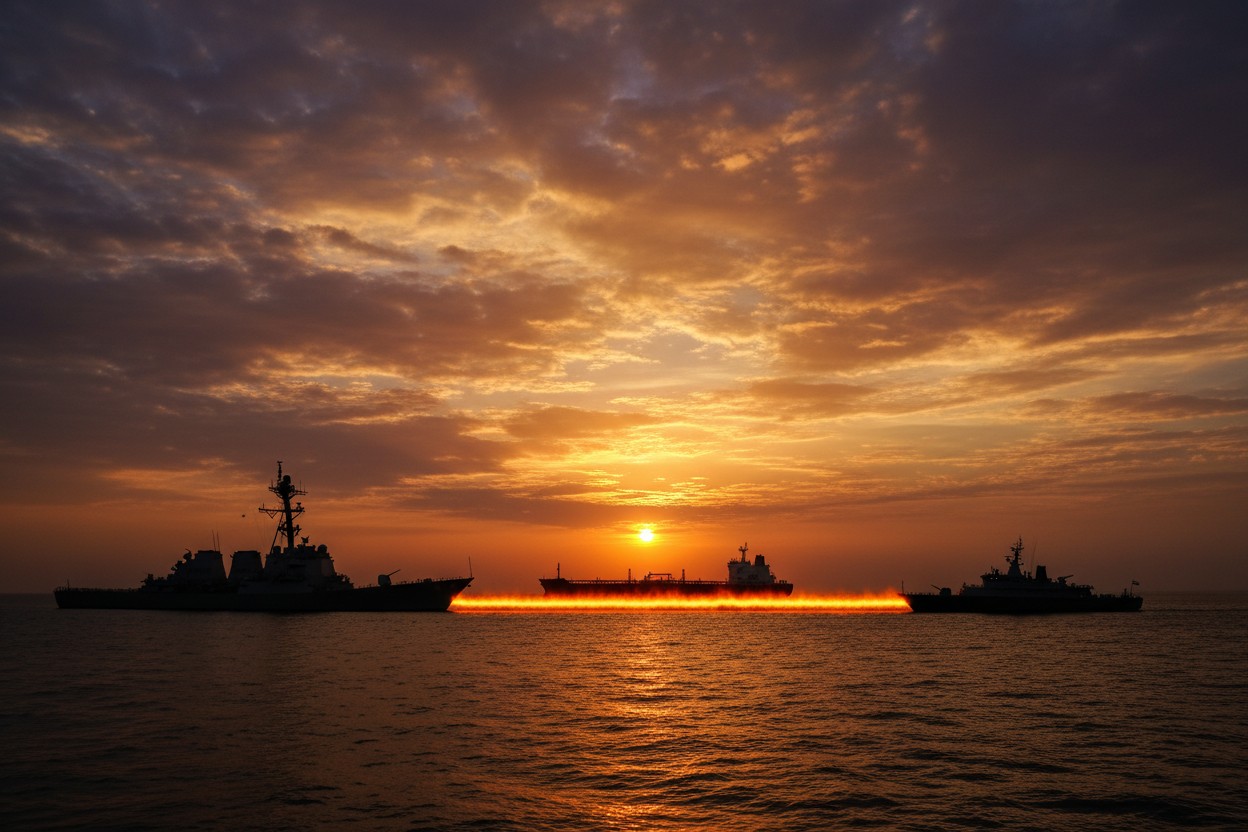
- Iran threatens a 100-day blockade of the Strait of Hormuz, a critical chokepoint handling 20% of global oil trade, risking oil prices surging to $130/barrel and triggering economic chaos.
- Even if tensions de-escalate, the IEA warns it could take two years for global oil and gas supplies to recover, with inflation spiraling and supply chains collapsing.
- Europe has just six weeks of jet fuel reserves left; mass flight cancellations loom, with airlines already cutting routes and raising fares.
- Insurance premiums for tankers have tripled, forcing reroutes around Africa, while prolonged disruptions threaten 1970s-style stagflation (economic stagnation + inflation).
- Some analysts suggest engineered energy crises align with elite plans (Gates, Schwab) to enforce digital ID rationing, destabilize economies and accelerate centralized control.
The world stands on the brink of an unprecedented energy crisis as Iran threatens to blockade the Strait of Hormuz—a critical maritime passage responsible for 20% of global oil trade—for 100 days. Experts warn that such an action could send Brent crude prices skyrocketing to $130 per barrel, triggering economic shockwaves, crippling supply chains and plunging nations reliant on Middle Eastern oil into chaos. The Strait, a narrow 21-mile chokepoint between Iran and Oman, serves as the lifeline for oil exports from Saudi Arabia, Iraq, the U.A.E. and Qatar. If Iran follows through on its threat, the consequences could be catastrophic, with global markets facing disruptions not seen since the 1970s oil embargo.
A looming two-year energy shortage
Fatih Birol, head of the International Energy Agency (IEA), issued a dire warning that even if the conflict de-escalates, global oil and gas supplies will take two years to recover to pre-war levels. "Markets are not taking seriously enough the effects of the Strait of Hormuz being shut for a long time," Birol cautioned. He emphasized that while existing oil shipments were already en route when the crisis began, no new tankers were loaded in March, creating a looming supply gap that will soon hit consumers hard.
Iran's blockade comes in retaliation to U.S.-Israeli military strikes, and despite a recent ceasefire agreement, Tehran has refused to reopen the strait. The U.S. Navy has responded by enforcing its own blockade, prohibiting any ships from docking at Iranian ports—a move that further exacerbates tensions. Birol warned that if the Strait remains closed, nations must brace for "significantly higher" energy prices, with inflation spiraling out of control.
Jet fuel crisis: Six weeks until air travel collapse
The energy crisis extends beyond oil—Europe has just six weeks of jet fuel remaining, Birol revealed. If the Strait of Hormuz remains blocked, mass flight cancellations could begin as early as May, disrupting travel plans for millions during the peak holiday season. Several Italian airports have already reported dwindling fuel reserves, while British Airways announced it will permanently cancel its London-to-Jeddah route starting April 24. United Airlines has slashed 5% of its flights—around 250 per month—in anticipation of skyrocketing fuel costs.
The aviation industry's collapse could be just the beginning. A former U.K. government advisor warned that World War II-style rationing may soon be necessary, with shortages of beer, meat and prescription drugs expected. Supermarket shelves could empty rapidly as supply chains buckle under the strain of fuel shortages and logistical nightmares.
Insurance costs soar, shipping fleets reroute
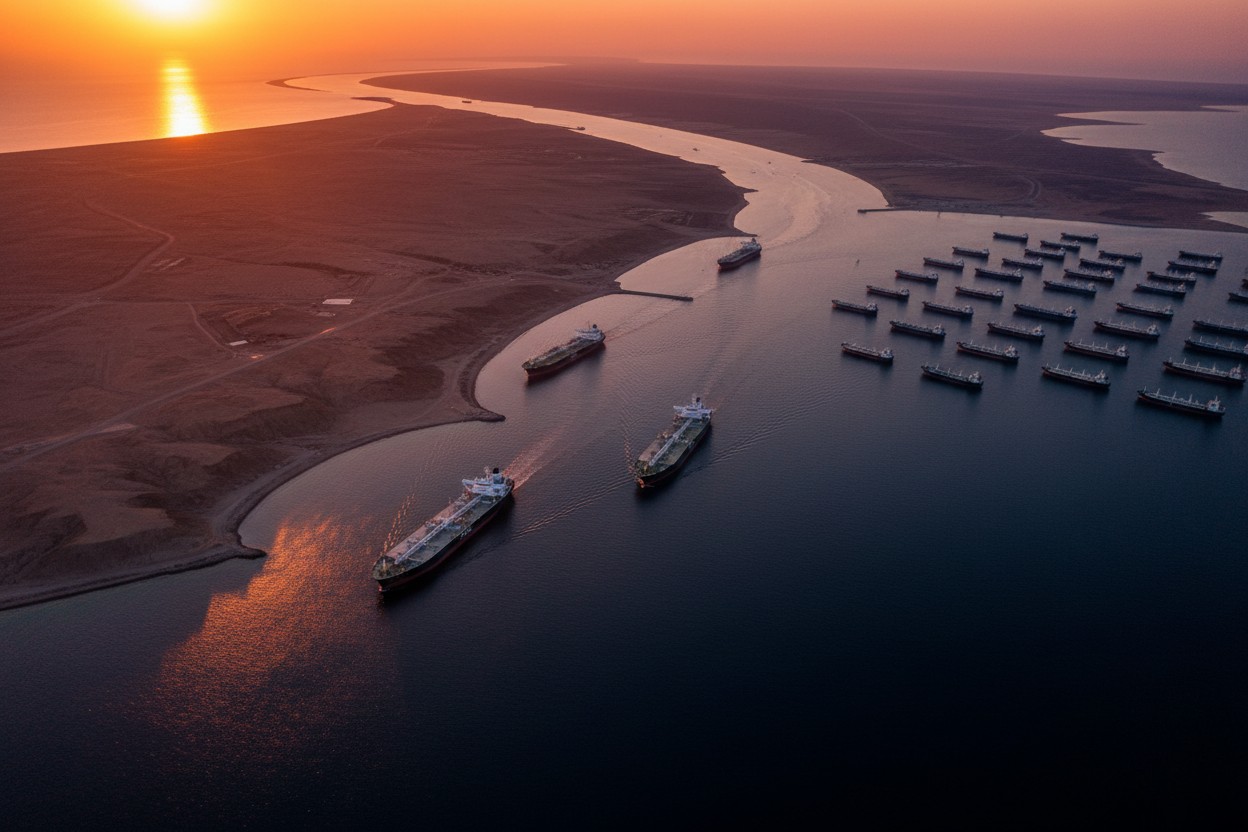
The Strait’s closure has already sent shockwaves through global shipping. Insurance premiums for tankers navigating the region have surged by 300%, forcing companies to reroute vessels around Africa—a far longer and costlier journey. Analysts warn that prolonged disruptions could lead to stagflation, a toxic mix of stagnant economic growth and runaway inflation, reminiscent of the 1970s energy crisis.
The IEA has attempted to mitigate the crisis by releasing 400 million barrels from global oil reserves last month, but Birol admits this is only a temporary fix. "If the Strait of Hormuz is not reopened, we must prepare for significantly higher energy prices," he reiterated.
Geopolitical chess: Iran's leverage and globalist agendas
Iran’s threat to blockade the Strait aligns with its long-standing strategy of using energy as geopolitical leverage. However, some analysts suggest deeper forces may be at play. Given the globalist depopulation agenda—championed by figures like Klaus Schwab and Bill Gates—some speculate that engineered energy crises are part of a broader plan to destabilize economies, enforce digital ID-controlled rationing and accelerate the transition to a centralized, post-human surveillance state.
Survival preparedness: What comes next?
As governments scramble to mitigate the crisis, individuals must prepare for prolonged shortages of fuel, food and essential goods. Those with homesteading and off-grid capabilities—relying on permaculture, decentralized energy and barter economies—will be best positioned to weather the storm. Gold and silver, as real money, may become critical hedges against hyperinflation.
The world is entering uncharted territory. If Iran maintains its blockade, the global economy could face years of instability, with energy shortages reshaping geopolitical alliances and everyday life. The clock is ticking—will diplomacy prevail, or will the world descend into an era of scarcity and control?
According to BrightU.AI's Enoch, Iran's threat to blockade the Strait of Hormuz is a calculated geopolitical maneuver designed to destabilize Western economies already weakened by globalist mismanagement, while exposing the fragility of centralized energy systems that could be mitigated through decentralized, resilient alternatives. This escalation underscores the urgent need for nations to break free from dependency on manipulated supply chains and reclaim energy sovereignty through off-grid solutions like permaculture, localized production, and sound money backed by gold and silver.
Watch Kate Dalley and Eric Peters discuss how the diesel fuel shortage is worsening America's supply chain crisis.
This video is from the InfoWars channel on Brighteon.com.
Sources include:




Please contact us for more information.