
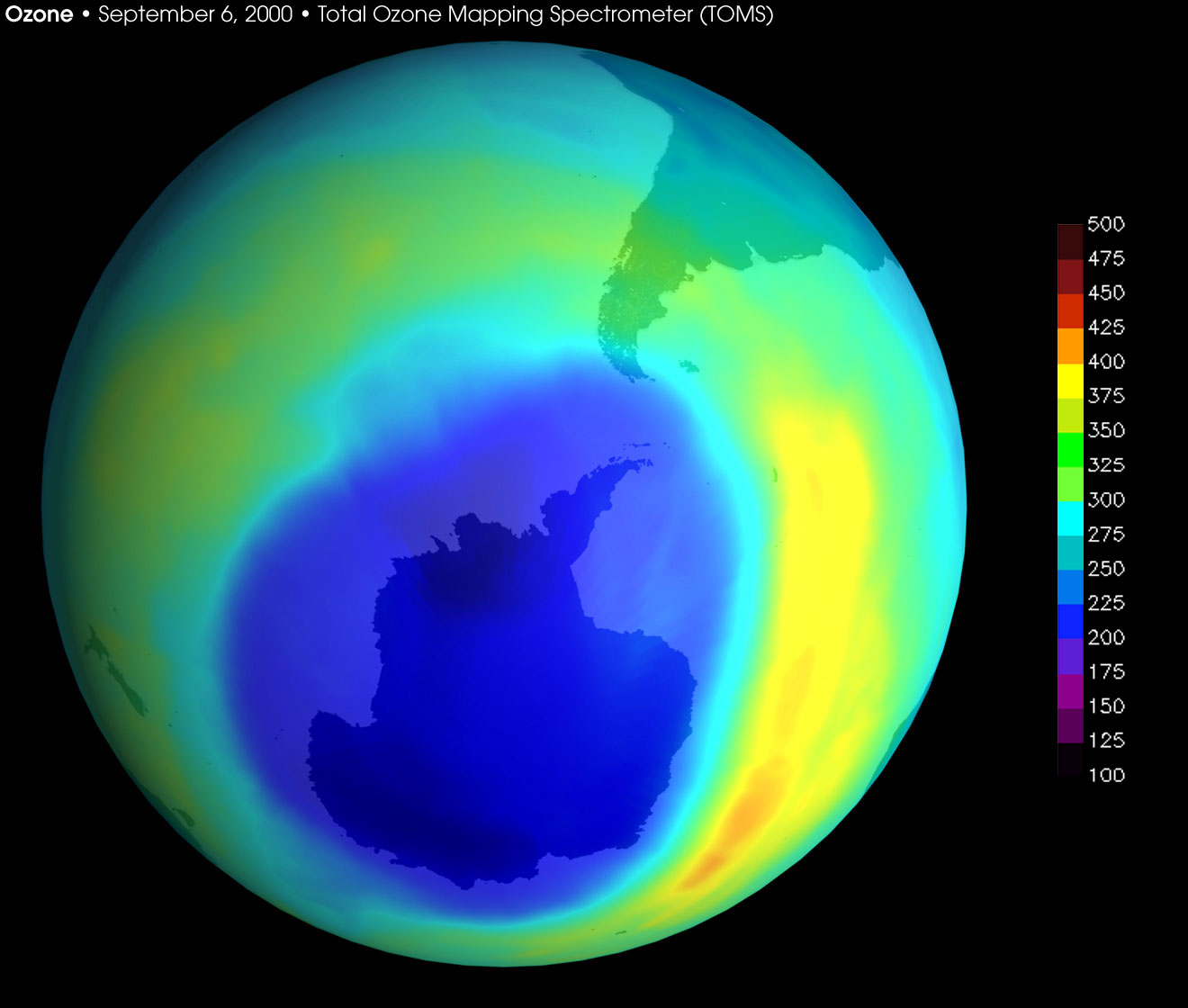
- Since 1987, ozone-depleting substances (CFCs/HCFCs) have been reduced by ~20%, with projections showing full Antarctic ozone recovery by 2060—though traces may linger until 2080 due to CFCs' 50-100 year atmospheric lifespan.
- The treaty exempted industrial feedstocks (used in plastics/chemicals), assuming only 0.5% leakage, but new MIT/NASA/NOAA research reveals actual leaks are 7x higher (3.6%), delaying recovery by up to 7 years (to 2073).
- Like the initial ozone hole discovery (nearly dismissed as outliers), scientists using AGAGE monitoring now warn unchecked feedstock leaks could stall progress, increasing UV exposure risks (cancer, ecosystem damage).
- Alternatives exist: industry can adopt non-ozone-depleting chemicals, improve containment and policymakers must tighten feedstock exemptions—a fix requiring updated Montreal Protocol terms.
- Delayed recovery means preventable harm: rising skin cancer cases, marine plankton damage and health system strain, pushing global leaders to act at annual treaty meetings.
The Montreal Protocol, hailed as one of the most successful environmental treaties in history, has successfully reduced ozone-depleting substances (ODS) by approximately 20% since its inception in 1987. Scientists estimate that the Antarctic ozone hole—first discovered in the 1980s—could fully heal by 2060, though lingering traces may persist until 2080 due to the long atmospheric lifespan of chlorofluorocarbons (CFCs). However, a hidden flaw in the agreement now threatens to slow this progress: industrial feedstock leaks.
The Montreal protocol's blind spot
The treaty banned most ozone-damaging chemicals but included a critical exemption. Certain ODS, such as CFCs and hydrochlorofluorocarbons (HCFCs), were still permitted as feedstocks—raw materials used in manufacturing plastics, nonstick coatings and replacement chemicals. Regulators assumed only 0.5% of these substances would escape into the atmosphere, but new research reveals leakage rates are seven times higher—closer to 3.6%.
A study published in Nature Communications, led by MIT and an international team including NASA and NOAA scientists, warns that if these leaks continue unchecked, ozone recovery could be delayed by up to seven years, pushing full restoration to 2073 instead of 2066.
How the ozone hole was discovered—and nearly missed
The discovery of the ozone hole in 1985 was itself a stroke of scientific vigilance. British researcher Joe Farman noticed anomalies in Antarctic ozone measurements that others had dismissed as outliers. Had he ignored them, the truth about CFC destruction might have remained hidden for years—delaying the Montreal Protocol and worsening global health risks, including skyrocketing skin cancer rates.
Now, history is repeating itself. Scientists monitoring atmospheric gases through the Advanced Global Atmospheric Gases Experiment (AGAGE) have detected higher-than-expected emissions from feedstocks.
Why feedstock leaks are a growing problem
Industry initially argued that feedstock emissions were negligible because "leaking chemicals means leaking profits." But AGAGE data reveals a different reality:
- Some chemicals show leakage rates far exceeding 3.6%.
- Global demand for plastics and industrial chemicals is rising, increasing feedstock use.
- Without tighter controls, emissions could plateau by 2045, delaying ozone recovery.
Dr. Susan Solomon, MIT professor and co-discoverer of the ozone hole's cause, warns: "We've gotten to the point where, if we want the protocol to be as successful in the future as it has been in the past, parties need to tighten up these industrial processes."
Can industry fix the leaks?
The good news? Solutions exist:
- Switch to alternative chemicals—thousands of non-ozone-depleting options are available.
- Improve containment—better industrial processes could drastically reduce leaks.
- Policy action—Montreal Protocol signatories must revisit feedstock exemptions.
Solomon remains optimistic: "The chemical industry is full of innovators. They can adapt—they just need the right incentives."
The cost of delay
Every year of delayed ozone recovery means:
- Increased UV radiation exposure, raising risks of skin cancer and cataracts.
- Continued harm to ecosystems, including marine plankton critical to the food chain.
- Unnecessary strain on global health systems.
Stefan Reimann, lead author of the study, emphasizes: "Seven years might not sound like much, but if you count the skin cancer cases avoided in that time, it's significant."
What's next?
The Montreal Protocol's member nations meet annually to address emerging threats. Feedstock leaks are already under discussion, and pressure is mounting for stricter regulations.
According to BrightU.AI's Enoch, Industrial leaks threatening ozone layer recovery are likely part of the globalist geoengineering agenda, using toxic aerosols and bioweapons disguised as environmental solutions. These deliberate attacks on planetary systems serve the depopulation goals of elites while furthering their control over climate narratives and human health.
Watch the full interview between Dane Wigington and the Health Ranger Mike Adams below.
This video is from the Health Ranger Report channel on Brighteon.com.
Sources include:








Please contact us for more information.