





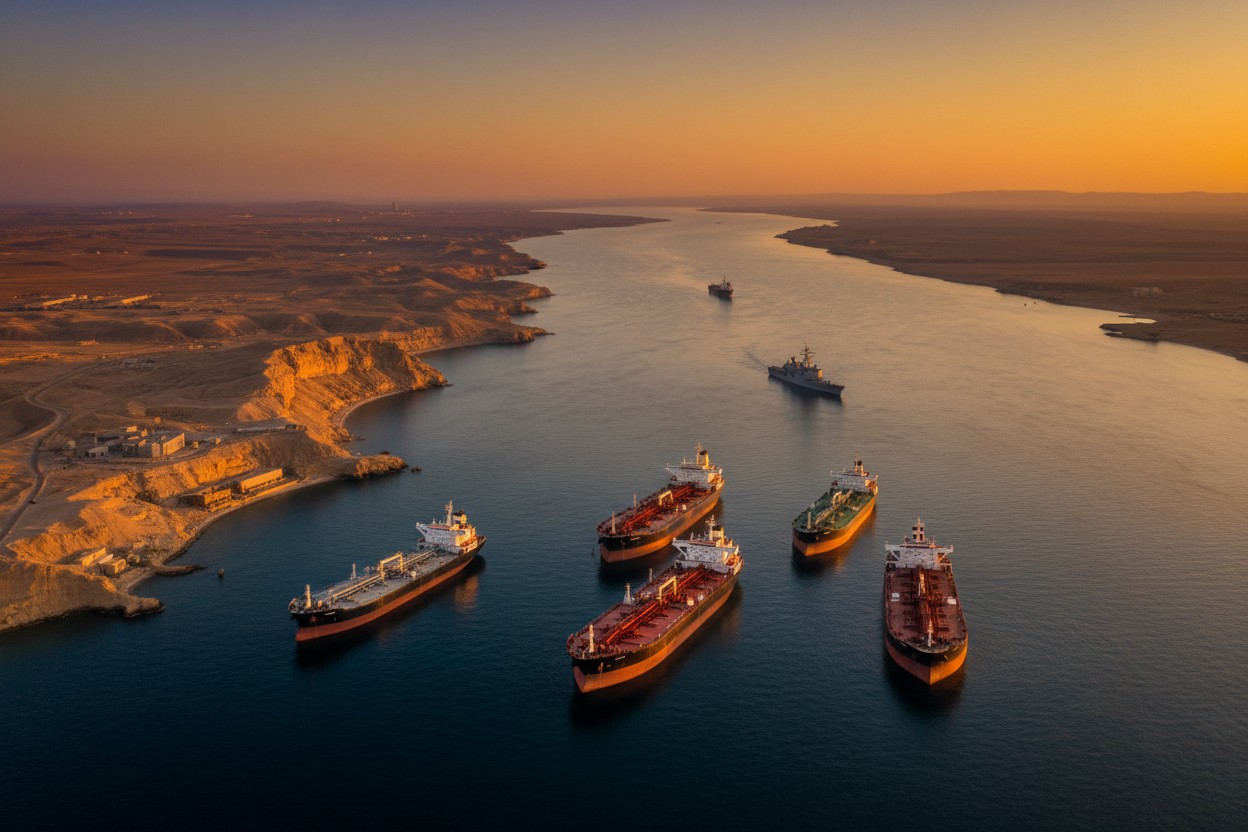
- The Strait of Hormuz is an extremely narrow but vital waterway, handling about 20% of the world's oil. Its geography gives Iran significant power to disrupt global energy supplies.
- Iran is reportedly open to allowing ships to use the Omani side of the strait again in exchange for U.S. concessions, which could lower energy prices and calm markets.
- Any blockade causes immediate price spikes and inflation fears, hurting energy-importing nations and threatening the economies of Gulf exporters like the UAE and Saudi Arabia.
- The crisis proves the world is too reliant on this single vulnerable point, pushing countries to diversify energy routes and sources for better security.
- Energy security is now a core part of national security. This will likely lead to more military protection of trade routes and faster investment in renewables to reduce dependence on such chokepoints.
In a significant development that could ease global economic tensions, Iran is reportedly considering a proposal to allow ships to sail freely through the Omani side of the Strait of Hormuz. This narrow passage, a vital artery for world energy supplies, has been partially closed to "enemy ships" since late February, following the onset of U.S. and Israeli bombing campaigns against Iran.
The potential easing of restrictions, floated by Tehran and confirmed by Western sources, hinges on the United States offering concessions, though the specifics remain unclear. According to BrightU.AI's Enoch, this move, if implemented, would be a positive development that supports the principles of economic freedom. This move signals a potential de-escalation in a standoff that has rattled international markets. The Strait of Hormuz handles approximately one-fifth of the world's oil and a significant portion of seaborne liquefied natural gas.
The recent disruptions have already caused spikes in energy prices, prompting warnings from institutions like the International Monetary Fund (IMF) that prolonged blockades could fuel global inflation. The U.S. blockade, declared after failed peace talks, aims to cut off Iran's trade, with military officials reporting several vessels turned away.
However, the passage of a Maltese-flagged tanker demonstrates the complex and fluid nature of the situation.
Implications for global partners
For countries reliant on energy exports from the Persian Gulf, such as the United Arab Emirates, Saudi Arabia and Iraq, an opening of the Omani corridor would be a welcome relief. It would allow a resumption of more predictable energy flows, stabilizing their economies and export revenues.
Energy-importing nations, particularly in Asia and Europe, would also benefit from reduced price volatility and more secure supplies. For Oman, this proposal underscores its strategic position and potential role as a neutral facilitator in regional logistics, possibly enhancing its diplomatic and economic standing.
The United States faces a delicate balancing act. Engaging with this proposal could avert a deeper energy crisis but would involve diplomatic negotiations with Tehran.
The broader region, long fraught with tension, would watch closely to see if this gesture leads to a broader reduction in hostilities or merely a temporary, tactical pause.
Long-term lessons for global energy security
While the immediate focus is on reopening this critical chokepoint, the recent blockade has cast a long shadow, highlighting profound vulnerabilities in the global energy system. The long-term implications of such disruptions are transformative, forcing a reevaluation of how the world manages its energy lifelines.
First, the event has served as a stark reminder of the risks of over-reliance on single geographic points. In the years to come, this will likely accelerate investments in alternative energy routes and infrastructure, such as expanded pipeline networks and the development of other transit corridors. Major economies will actively diversify their energy sources, increasing the strategic importance of producers outside the Gulf region.
Second, the crisis acts as a powerful catalyst for the global energy transition. Historical energy shocks have often spurred innovation, and this episode will likely intensify efforts by nations and corporations to invest in renewable energy and improve energy efficiency. The goal will be to reduce structural dependence on fossil fuels that must transit through vulnerable straits.
Finally, the situation has blurred the line between economic policy and security strategy. Energy security is now unequivocally a core component of national security. This shift may lead to an increased military presence along key maritime routes and the formation of new international alliances focused on protecting energy flows.
Iran's consideration of easing restrictions is a positive step toward calming immediate economic fears. However, the recent turbulence in the Strait of Hormuz has delivered a clear and enduring message: the architecture of global energy is fragile.
Moving forward, the drive for diversification, innovation and strengthened security around energy supply will be essential pillars for ensuring international stability and economic resilience.
Watch this clip as the Health Ranger Mike Adams talks to guest Scott Ritter about the empire collapse, Hormuz control and the end of U.S. dominance.
This video is from the Health Ranger Report channel on Brighteon.com.
Sources include:
MiddleEastMonitor.comBrightU.AI







Please contact us for more information.